

Naples Island is a lifestyle and property-specific decision. The canals, bridges, waterfront feel, and nearby Belmont Shore routine are the attraction. Parking, water exposure, older homes, insurance, and property condition are the checks.
Quick answer
Quick answer
- Use this guide when I am considering Naples Island and need to understand waterfront lifestyle, parking, and property checks.
- Start with the decision category: Local Area Buyer Guide, then narrow by Naples Island, Belmont Shore, Alamitos Heights, Seal Beach.
- Verify property-specific details, financing, taxes, disclosures, permits, insurance, and local data before acting.
- Related decision path: Buying in Belmont Shore Long Beach: What Buyers Should Know Before Touring.
Updated June 30, 2026
Start with fit, then verify the property
A Naples buyer should compare the view and routine against the exact property's water, parking, access, insurance, and maintenance story.
The strongest buying decision is rarely the listing that looks cheapest in isolation. It is the one where payment, documents, condition, insurance, rules, and resale still make sense after review.
Before touring heavily, decide whether waterfront access, canal views, or the Naples lifestyle justify the premium and property-check workload.
Quick comparison
| Option | Usually strongest for | Watch closely |
|---|---|---|
| Canal or waterfront property | Buyers who want the Naples experience most directly. | Flood, seawall, maintenance, insurance, parking, and premium pricing. |
| Interior Naples location | Buyers who want the island lifestyle with less direct water exposure. | Parking, bridge access, lot size, and condition still matter. |
| Belmont Shore | Buyers who want more Second Street energy and beach access. | Noise, parking, density, and older properties. |
| Alamitos Heights | Buyers who want a more inland residential alternative nearby. | Less waterfront identity but often more practical daily logistics. |
Start here if this is the decision in front of you
Naples fits buyers who value waterfront identity, canals, boating or water-adjacent lifestyle, walkability to nearby coastal amenities, and a distinctive Long Beach setting.
It is a weaker fit for buyers who need easy parking, larger yards, lower maintenance, or a simple no-water-risk ownership profile.
What the homes are really asking you to compare
Expect waterfront homes, canal properties, interior island homes, remodels, older structures, and some attached-home options nearby.
Price pressure comes from waterfront scarcity, canal frontage, proximity to Belmont Shore, lifestyle appeal, views, and limited replacement land.
The monthly cost is only part of the story
Verify insurance, flood questions, water exposure, drainage, seawall or dock responsibilities where applicable, HOA documents if attached, and maintenance history.
Treat the listing price as the opening number, not the final answer. The better comparison is the full ownership picture: payment, taxes, insurance, association rules, repairs, documents, and the amount of cash you still want left after closing.
Test the location the way you will actually live
Naples is convenient for coastal Long Beach, Seal Beach, Orange County routes, and remote/hybrid buyers, but bridge and local traffic patterns should be tested.
Compare Belmont Shore, Alamitos Heights, Seal Beach, Bluff Park, and Belmont Heights depending on parking, price, and water access priorities.
What to verify before you write
Inspect roof, drainage, foundation, seawall/dock context where applicable, permits, parking, water intrusion, insurance, and weekend visitor patterns.
Verify current waterfront premiums, insurance quotes, flood-zone details, active inventory, and whether recent comparable sales match the property's water exposure.
The move that keeps you in control
Tour Naples with a parking, water-exposure, and maintenance checklist in hand.
If the answer depends on the exact address, slow the decision down long enough to compare the property, documents, timing, and cash plan. The goal is not to win the fastest. The goal is to choose the home with fewer expensive surprises.
How to decide before touring
- Confirm the area fits the household's daily routine before focusing on a listing.
- Compare housing stock, parking, noise, school assignment, HOA documents, insurance, and commute before writing.
- Review disclosures, permits, inspections, and property-specific documents early.
- Tour nearby alternatives so the area choice is intentional, not accidental.
- Ask a local buyer question before the offer timeline compresses the decision.
See sources used
This guide uses public city, county, school-district, planning, parking, permit, disclosure, inspection, insurance, and property-review sources as orientation points. It is not legal, tax, lending, insurance, appraisal, inspection, school-boundary, or investment advice. Verify property-specific documents, school assignment, permits, insurance, HOA documents, hazards, market data, and condition with the appropriate professionals before relying on it for a purchase decision.
- City of Long Beach: planning bureau
- City of Long Beach: historic districts
- City of Long Beach: historic preservation
- City of Long Beach: parking services
- City of Long Beach: Permit Center
- City of Long Beach: permit status and records
- Long Beach Unified School District
- California DRE: Information for Homebuyers
- California DRE: Disclosures in Real Property Transactions
- Consumer Financial Protection Bureau: schedule a home inspection
- Consumer Financial Protection Bureau: what appraisals are and why they matter
- FEMA: flood maps
- California Office of Emergency Services: MyHazards address lookup
- California Department of Insurance: residential insurance guide
More Local Area Buyer Guide paths
 Buying in Belmont Shore Long Beach: What Buyers Should Know Before Touring
 Buying in Belmont Heights Long Beach: Historic Homes, Parking, and Older-Home Checks
 Buying in Bluff Park Long Beach: Coastal Living, Condos, Parking, and Older Homes
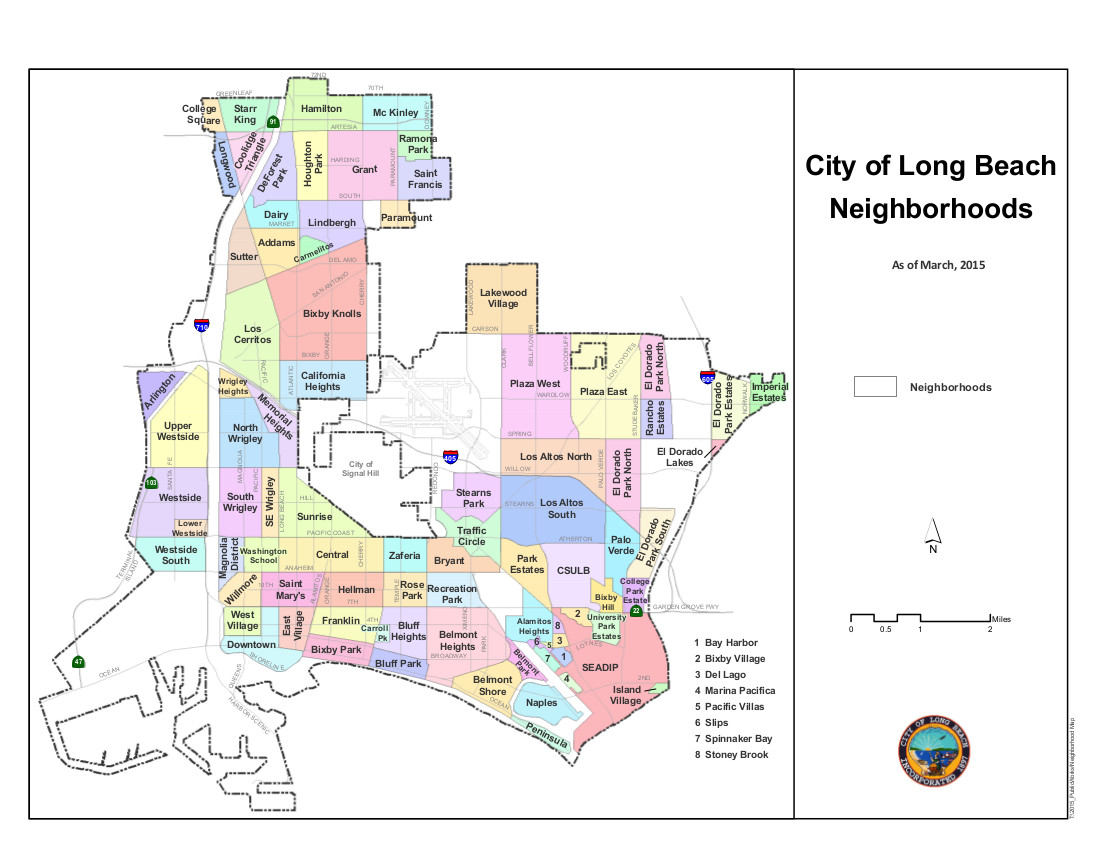 Long Beach Neighborhoods for Buyers: Where to Start Your Search
 Park Estates Long Beach Buyer Guide: Larger Homes, Location, and Condition Checks
 Manhattan Beach Sand Section Buyer Guide: Beach Proximity, Parking, Lots, and Price