
The smaller-home-versus-bigger-home decision is not really about square footage. It is about commute, school routine, outdoor space, maintenance, neighborhood fit, payment comfort, resale audience, and how your household actually uses the home.
Quick answer
Quick answer
- Use this guide when I am choosing between a smaller home in a preferred area and a larger home farther out.
- Start with the decision category: Opportunity / Value, then narrow by Long Beach, South Bay, Orange County, Gateway Cities.
- Verify property-specific details, financing, taxes, disclosures, permits, insurance, and local data before acting.
- Related decision path: Condo vs Townhome vs Single-Family Home in LA County and Orange County.
Updated June 30, 2026
Compare the week, not just the floor plan
A bigger house that creates a harder commute or weaker daily routine may not feel bigger in real life. A smaller home in the right area can work if the layout, storage, parking, and future plan are honest.
The strongest buying decision is rarely the listing that looks cheapest in isolation. It is the one where payment, documents, condition, insurance, rules, and resale still make sense after review.
Before choosing, write a one-week daily-life map for each option: commute, school drop-off, errands, parking, weekend routine, work-from-home needs, and likely resale buyer.
Quick comparison
| Option | Usually strongest for | Watch closely |
|---|---|---|
| Smaller home, stronger area | Buyers who value commute, schools, lifestyle, resale audience, or neighborhood fit more than extra rooms. | Storage, parking, future family needs, outdoor space, and renovation limits. |
| Bigger home, farther out | Buyers who need space, bedrooms, yard, privacy, parking, or better price per usable room. | Commute fatigue, school fit, resale audience, and whether the area still feels connected. |
| Townhome or condo in preferred area | Buyers who want location but cannot comfortably buy a larger single-family home there. | HOA dues, rules, reserves, noise, stairs, parking, and future flexibility. |
| Wait or widen search | Buyers whose top two options both require too much compromise. | Waiting has market risk, but buying the wrong compromise has life risk. |
More square footage is not always more usable space
Layout, storage, parking, room shape, yard use, stairs, noise, and natural light can matter as much as total size.
A smaller home with a better layout can live larger than a bigger home with awkward space.
The commute becomes part of the house
If a larger home adds daily commute stress, that cost shows up every week. Buyers should test the drive at real times, not rely only on map averages.
Hybrid workers should compare the days they commute, not pretend the commute never matters.
Schools and routines should be practical, not abstract
School ratings, district boundaries, pickup routes, childcare, activities, and commute direction can all shape the decision. Verify the exact address and household needs.
A school conversation is not only about prestige. It is about fit and daily logistics.
Resale audience follows the tradeoff
A smaller home in a stronger area may have a larger future buyer pool if the area is the main draw. A larger home farther out may appeal to buyers prioritizing space and value.
Ask which future buyer would understand the same tradeoff you are making.
The answer can change by life stage
A couple with flexible work may choose differently from a family with school routines, an aging parent, pets, or frequent travel.
The best answer is the one that fits the next three to seven years, not a generic rule.
How to decide before touring
- Map one normal week for each option, including commute and school routines.
- Compare usable layout, storage, parking, outdoor space, and work-from-home needs.
- Check condition, repairs, taxes, insurance, HOA dues, and monthly comfort.
- Ask who the next buyer would be for each tradeoff.
- Choose the compromise you can live with repeatedly, not just tour once.
See sources used
This guide uses public buyer, disclosure, inspection, appraisal, permit-record, and property-review sources as orientation points. It is not legal, lending, appraisal, inspection, engineering, tax, or investment advice. Verify condition, value, permits, insurance, financing, and local market data with the appropriate professionals before relying on them for a purchase decision.
- California DRE: Information for Homebuyers
- California DRE: Disclosures in Real Property Transactions
- California Civil Code Section 1102: transfer disclosure framework
- California Civil Code Section 1103: natural hazard disclosure framework
- Consumer Financial Protection Bureau: schedule a home inspection
- Consumer Financial Protection Bureau: what appraisals are and why they matter
- Consumer Financial Protection Bureau: right to receive an appraisal copy
- Fannie Mae Selling Guide: general appraisal requirements
- Fannie Mae Selling Guide: review of the appraisal report
- Fannie Mae Selling Guide: subject and contract sections of the appraisal report
- Fannie Mae Selling Guide: improvements section of the appraisal report
- City of Long Beach: permit status and records
- City of Torrance: properties, permits, and records search
- LA County: EPIC-LA permitting and inspections portal
- OC Development Services: building permit information
More Opportunity / Value paths
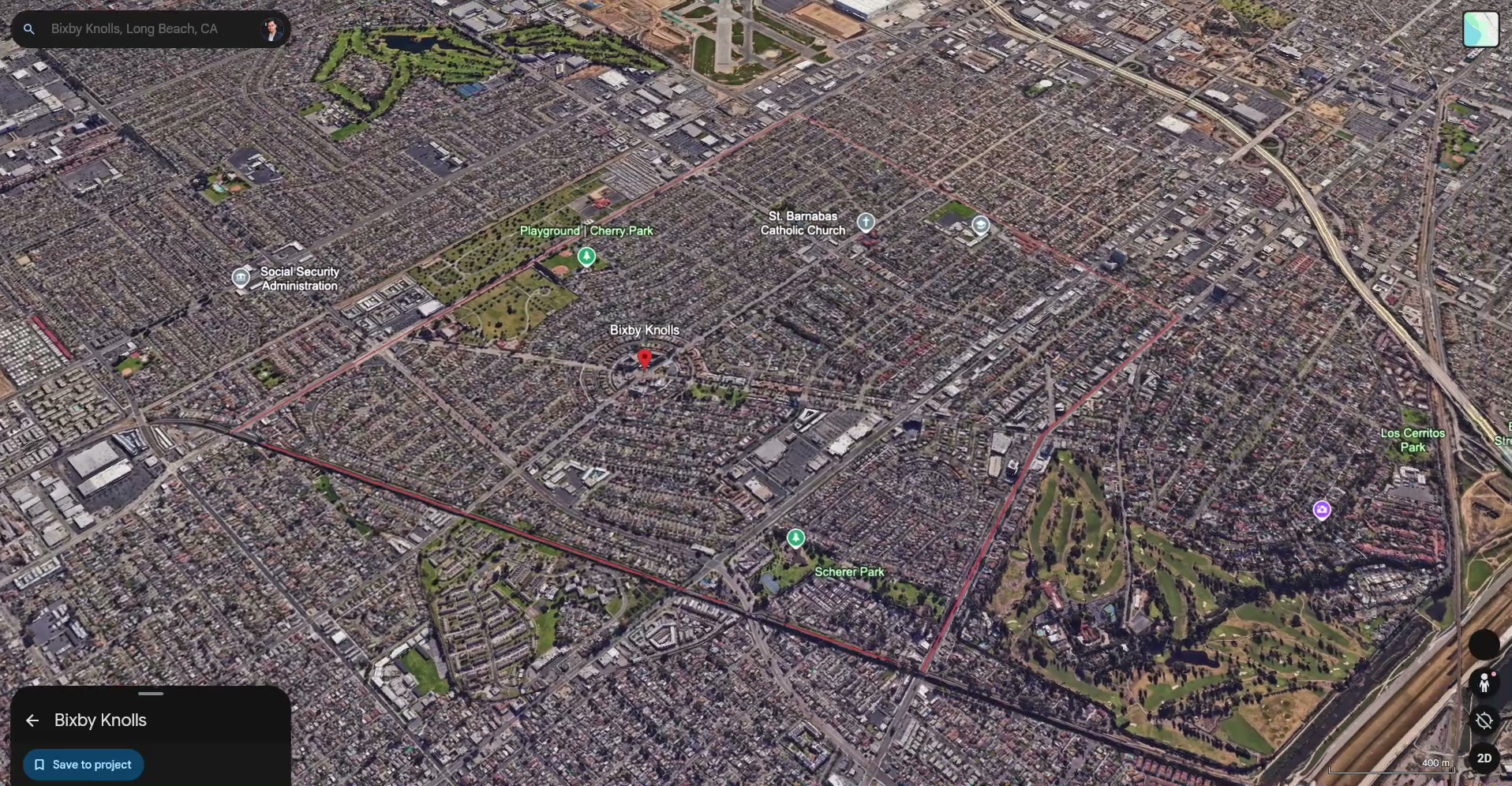 Buying in Bixby Knolls Long Beach: Homes, Commute, Schools, and Lifestyle Fit
 Lomita CA Homes: Small-City South Bay Fit & Older-Home Checks
 Airport Noise, Freeway Noise, and Port Traffic: What to Check Before Buying
 Condo vs Townhome vs Single-Family Home in LA County and Orange County
 South Bay to Long Beach: Trading Location, Space, and Payment
 Buying in California Heights Long Beach: Historic District, Older Homes, and Buyer Checks