

The first urge after inheriting a Long Beach home is often to clean it out, call contractors, or ask what it is worth. Those steps may be useful later, but the safer first sequence is authority, belongings, documents, occupancy, condition, code issues, taxes, and family agreement.
Quick answer
Quick answer
- Use this guide when inherited home Long Beach sell
- Start with the decision category: Inherited Property, then narrow by Long Beach, Los Angeles County.
- Verify property-specific details, financing, taxes, disclosures, permits, insurance, and local data before acting.
- Related decision path: Parent Passed Away and Left a Torrance Home: What to Handle Before Listing.
Updated June 30, 2026
Separate the decisions before choosing a path
| Decision point | Why it matters | Do not skip |
|---|---|---|
| Authority to act | Confirm whether the property is in a trust, probate, joint tenancy, transfer-on-death path, or another title route before signing or listing. | Do not assume the person with keys has authority to sell, rent, clean out, or approve repairs. |
| Sell, rent, or keep math | Compare taxes, insurance, mortgage payoff, repairs, rent potential, property management, sibling buyout, and carrying costs. | Do not use the gross home value as the family decision number. |
| Property access and condition | Secure the home, confirm utilities, insurance, belongings, long-delayed maintenance, code risk, and market-readiness. | Do not start the cleanout before photos, documents, valuables, and family instructions are organized. |
Do not clean out the evidence before the plan
Maintenance records, permits, appliance manuals, roof invoices, trust documents, mail, utility bills, and repair notes can matter. A fast cleanout can accidentally remove useful records or create family conflict over personal property.
Start with a simple inventory, photos, and a family agreement about valuables, documents, donations, trash, and items that should stay with the home.
Long Beach condition and code issues can affect the path
Long Beach code enforcement materials list common issues such as deteriorated electrical, deteriorated plumbing, unpermitted garage conversions, blocked garage access, and visible debris. That does not mean every inherited home has a code issue, but it does mean condition should be reviewed before marketing.
If the home has long-delayed maintenance, decide whether to repair, disclose, price accordingly, or use a narrower buyer path.
Occupancy changes the calendar
If someone is living in the home, if there is a tenant, or if a family member wants temporary possession, the sale plan becomes more complex. Access, notice, privacy, rent, insurance, and closing timing need to be separated.
A vacant home has different risks: utilities, security, insurance, landscaping, water leaks, mail, and carrying costs.
Listing should come after authority and net proceeds
The family should understand who signs, what debt exists, whether probate or trust administration is involved, and what the likely net proceeds could be after loans, liens, taxes, claims, repairs, and sale costs.
Only then should pricing, preparation, photos, and open-market exposure become the main conversation.
A careful order of operations
- Confirm who has authority to act for the estate, trust, or title path.
- Photograph and sort documents, valuables, personal property, and maintenance records before disposal.
- Check occupancy, insurance, utilities, security, taxes, and code/permit concerns.
- Compare as-is sale, light prep, repair, rent, hold, or family buyout paths.
- Choose a listing strategy only after the family understands authority, condition, and likely net proceeds.
Market context
Use local market updates after the first property decision is clear
These playlists are support context only. For tenant, probate, trust, Prop 19, divorce, code, and tax questions, confirm the legal and financial steps with the right professionals first.
See sources used
This guide uses official California court, state agency, county, city, tenant-rights, tax, and real estate disclosure sources as orientation points. It is not legal, tax, probate, tenant-rights, code-compliance, lending, or financial advice. Confirm authority, deadlines, occupancy rights, tax treatment, disclosure duties, and legal strategy with the appropriate professionals before relying on the information for a real estate decision.
- California Courts Self-Help: Guide to property after someone dies
- California Courts Self-Help: Overview of formal probate
- California Courts Self-Help: Inventory and estimate property value
- California Courts Self-Help: Simple process to transfer property
- California State Board of Equalization: Proposition 19
- California State Board of Equalization: Proposition 19 Fact Sheet
- California State Board of Equalization: Change in Ownership FAQ
- City of Long Beach
- City of Long Beach: Code Enforcement
More Inherited Property paths
 Inherited a Long Beach Home With Siblings? First Decisions Before Anyone Signs Anything
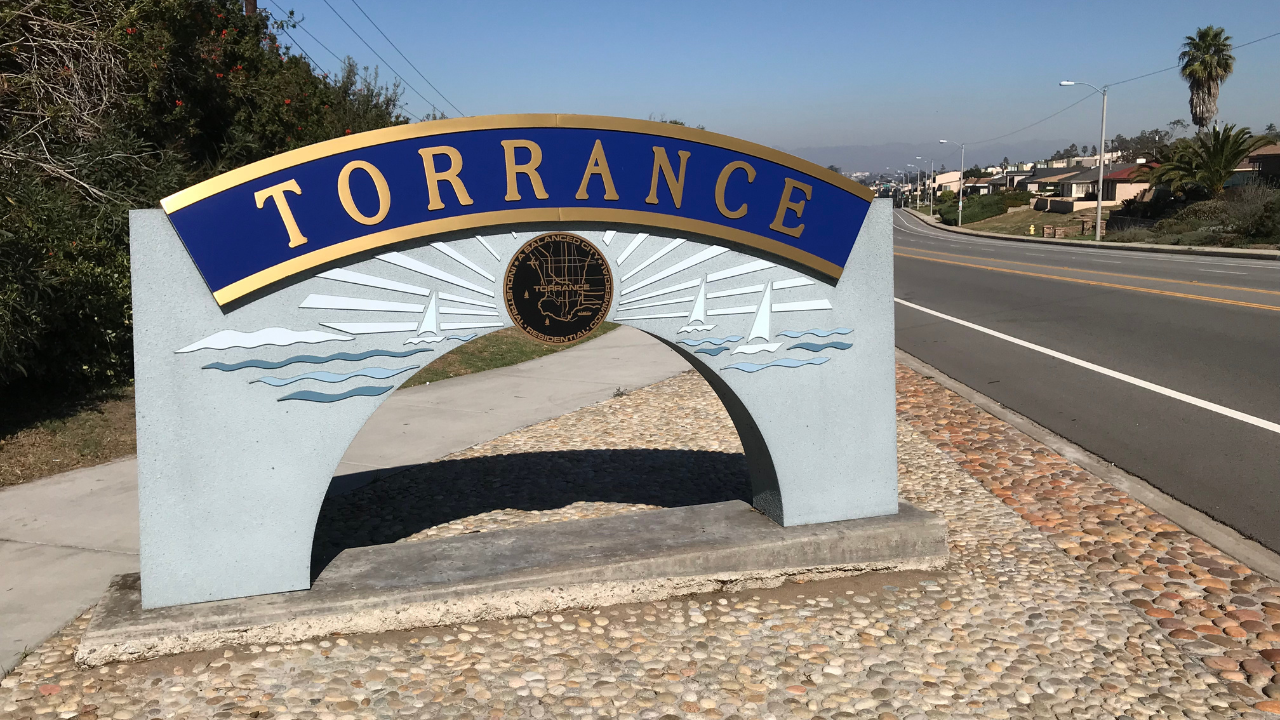 Inherited a Torrance Home? First Decisions Before You Sell, Rent, or Keep It
 Parent Passed Away and Left a Torrance Home: What to Handle Before Listing
 Inherited a Redondo Beach Home With Siblings? First Decisions Before One Person Pushes to Sell
 Out-of-State Heir With a South Bay Home? What to Handle Before You Fly In
 Out-of-State Heir With a Home in LA or Orange County: What to Do First