

If you live out of state and inherit a South Bay home, the trip can disappear into errands. Before you book a flight, build the agenda around authority, access, security, documents, belongings, condition, local professionals, and which decisions actually require you to be there.
Quick answer
Quick answer
- Use this guide when inherited house California out of state heir
- Start with the decision category: Inherited Property, then narrow by South Bay, Torrance, Redondo Beach, Manhattan Beach.
- Verify property-specific details, financing, taxes, disclosures, permits, insurance, and local data before acting.
- Related decision path: Out-of-State Heir With a Home in LA or Orange County: What to Do First.
Updated June 30, 2026
Separate the decisions before choosing a path
| Decision point | Why it matters | Do not skip |
|---|---|---|
| Authority to act | Confirm whether the property is in a trust, probate, joint tenancy, transfer-on-death path, or another title route before signing or listing. | Do not assume the person with keys has authority to sell, rent, clean out, or approve repairs. |
| Sell, rent, or keep math | Compare taxes, insurance, mortgage payoff, repairs, rent potential, property management, sibling buyout, and carrying costs. | Do not use the gross home value as the family decision number. |
| Property access and condition | Secure the home, confirm utilities, insurance, belongings, long-delayed maintenance, code risk, and market-readiness. | Do not start the cleanout before photos, documents, valuables, and family instructions are organized. |
Authority comes before travel efficiency
California Courts probate resources explain that the property transfer path may require probate, trust administration, or another legal route. If you cannot sign or authorize work yet, the trip should be used for information gathering, not irreversible decisions.
Ask estate counsel what documents you should bring and what you should not sign until authority is confirmed.
Use the trip to secure and document the home
A South Bay inherited home may need locks, mail forwarding, utility checks, insurance review, landscaping, water leak checks, and photos. These are practical steps that can prevent cost while the estate process moves.
Create a room-by-room photo record before cleanout. It helps with belongings, insurance, family communication, and future disclosure conversations.
Do not turn one weekend into the whole sale plan
A fly-in visit is useful for seeing condition, meeting vendors, and understanding the neighborhood. It is not enough by itself to settle Prop 19, title, tax, probate, valuation, rent, or repair decisions.
The goal is to leave with a documented decision map: what can be done remotely, what needs a local vendor, what counsel must answer, and what family members must approve.
Remote sale, hold, or rent paths need different systems
A remote sale needs access, showing instructions, signatures, disclosures, repair decisions, and local communication. A rental needs management, legally livable condition, lease, and tenant-law planning. Holding needs security, insurance, taxes, and maintenance.
Pick the operating system before choosing the outcome.
A careful order of operations
- Confirm the estate, trust, probate, or title authority path before booking a decision-heavy trip.
- Create a fly-in checklist for keys, mail, utilities, insurance, documents, belongings, photos, vendors, and neighborhood review.
- Secure the property and preserve records before cleanout.
- Compare remote sale, rent, hold, and repair paths using carrying costs and professional tax/probate guidance.
- Set a post-trip communication plan so the next step is not driven by whoever is physically closest.
Market context
Use local market updates after the first property decision is clear
These playlists are support context only. For tenant, probate, trust, Prop 19, divorce, code, and tax questions, confirm the legal and financial steps with the right professionals first.
See sources used
This guide uses official California court, state agency, county, city, tenant-rights, tax, and real estate disclosure sources as orientation points. It is not legal, tax, probate, tenant-rights, code-compliance, lending, or financial advice. Confirm authority, deadlines, occupancy rights, tax treatment, disclosure duties, and legal strategy with the appropriate professionals before relying on the information for a real estate decision.
- California Courts Self-Help: Guide to property after someone dies
- California Courts Self-Help: Overview of formal probate
- California Courts Self-Help: Inventory and estimate property value
- California Courts Self-Help: Simple process to transfer property
- California State Board of Equalization: Proposition 19
- California State Board of Equalization: Proposition 19 Fact Sheet
- California State Board of Equalization: Change in Ownership FAQ
- City of Torrance
- City of Redondo Beach overview
More Inherited Property paths
 Out-of-State Heir With a Home in LA or Orange County: What to Do First
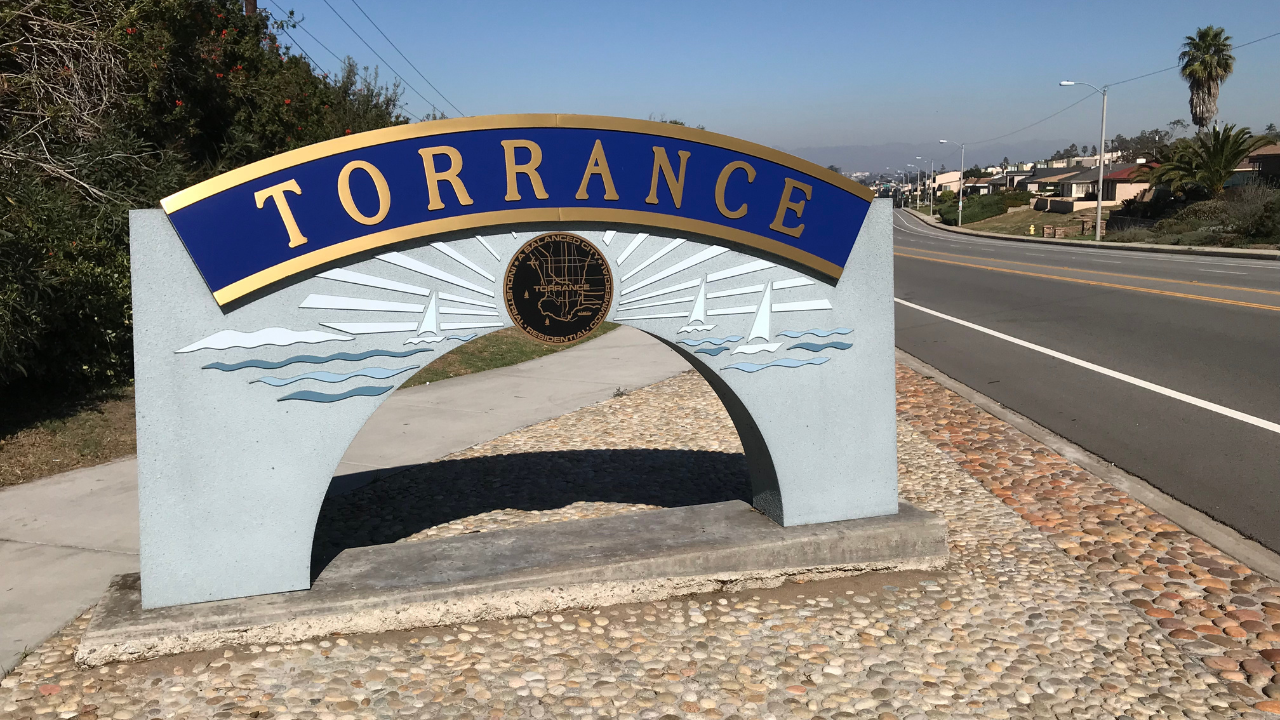 Inherited a Torrance Home? First Decisions Before You Sell, Rent, or Keep It
 Inherited a Redondo Beach Home With Siblings? First Decisions Before One Person Pushes to Sell
 Parent Passed Away and Left a Torrance Home: What to Handle Before Listing
 South Bay Sellers Buying Again: Prep, Price, or Wait?
 Parent's Long-Time South Bay Home Needs Work: Sell As-Is, Repair, or Prepare Lightly?