
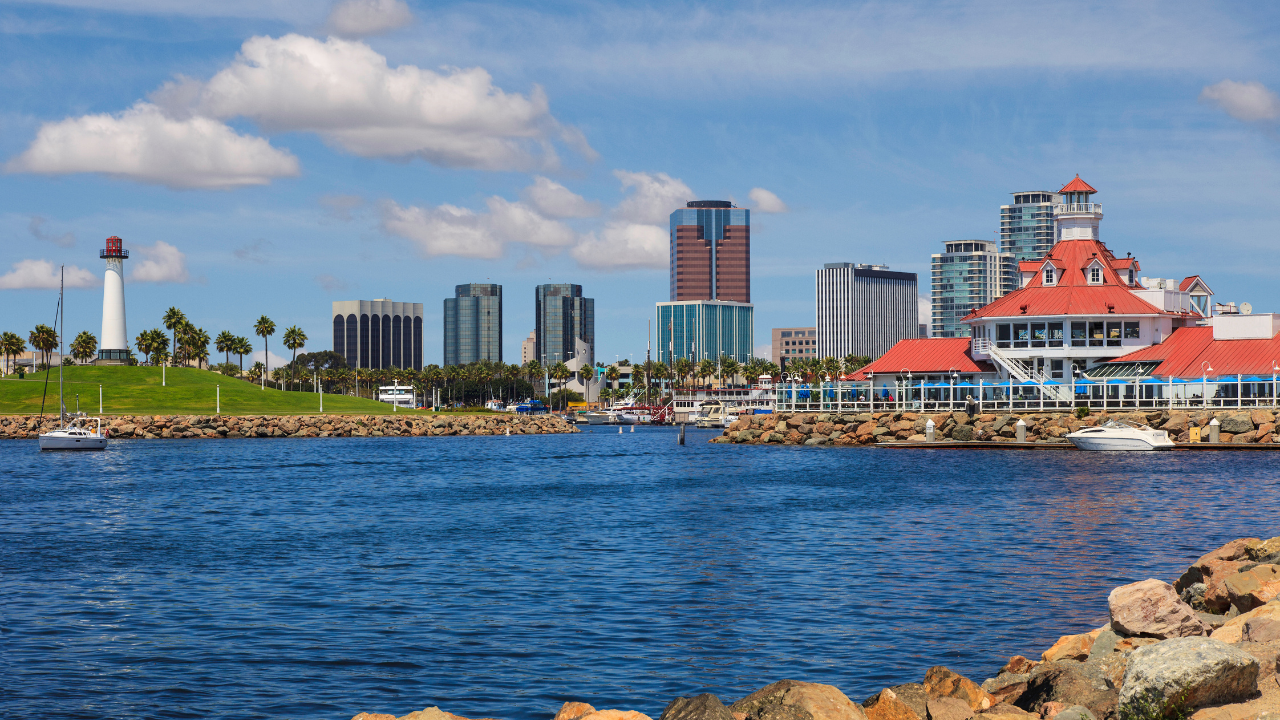
A route through Glendora can feel efficient before the main commute begins. At the hour you actually travel, the same turn, intersection, or bottleneck can change the week. Glendora's transit and mobility network and Glendora plans for new housing around future Metro stop give the route a local record to test rather than a broad reputation to trust.
That contrast is the real question behind Glendora homes for sale. The traffic and daily routes story connects Glendora's transit and mobility network and Glendora plans for new housing around future Metro stop to the routes, services, public spaces, and housing questions a future resident will notice.
The public reporting is a starting point, not a promise. Read what is operating now, what is approved or under construction, and what remains proposed. Then test the route from a specific home before the story changes your shortlist.
What the public record says now in Glendora
The useful starting point is not a promise about Glendora. It is the public record around Glendora's transit and mobility network and Glendora plans for new housing around future Metro stop. Together, those records put traffic and daily routes in a place, a schedule, and a set of decisions that can be checked. They do not settle what a future address will feel like.
The current Glendora record deserves a fresh look because Glendora's transit and mobility network and Glendora plans for new housing around future Metro stop can change the route, services, public space, and the way a home is used.
As of July 2026
What the story looks like on an ordinary weekday
Drive the route at the exact hour you expect to depend on it. Repeat the trip with one alternate route. Mark the turn where delay begins, the place where parking or loading changes the lane, and the point where a short errand becomes a separate trip. Glendora's transit and mobility network and Glendora plans for new housing around future Metro stop should be tested as parts of that route, not read as isolated map pins.
The point is to observe Glendora as a repeatable day: leave the home, use the public system, complete the next errand, and return. A single polished visit cannot answer that sequence.
What changes when the city gets busy
Repeat the route on a busier weekday and a weekend period. Look for the difference between through traffic and people stopping there: queues, event access, curb turnover, deliveries, and parking searches. A route that works at 10 a.m. may have a different cost at 5:30 p.m.
Public reporting can identify the change, but only a visit at the right time can show its practical cost or benefit. Keep the observation specific: where you parked, how long the route took, what was open, and what was different from the quiet visit.
What to test from a specific home
The public story becomes a property question at the curb.
From a specific home in Glendora, verify the route to Glendora's transit and mobility network, guest and overnight parking, housing form, stairs or slope, storage, maintenance exposure, service access, and the rules that govern shared or public systems.
Check what is close enough to use repeatedly, what requires a car, and what changes between a quiet weekday and a busy weekend. Traffic and daily routes can improve a location, but the exact address determines how much of that improvement enters the week.
- Drive the real route at the hour you will repeat it.
- Stand at the curb and test arrival, guest parking, loading, and the walk to the home.
- Ask who maintains, insures, schedules, and controls the systems you expect to use.
- Review property documents, inspection findings, HOA records, permits, and current notices.
Which ownership plan changes the question
The same local change can matter for different reasons. Start with what the home needs to do, then give extra weight to the route, parking, housing form, maintenance, services, and public access that affect that plan.
Keeping a first purchase predictable
Use the routes people repeat across the week to test whether a first purchase in Glendora creates a repeatable weekday, with parking, errands, maintenance, and access checked at the address.
Start with Glendora's transit and mobility network and Glendora plans for new housing around future Metro stop. Confirm the address, timing, parking, housing form, maintenance, service access, and ordinary-week route before giving the public story more weight than the property itself.
Making an upgrade worth the disruption
Use the routes people repeat across the week to decide whether an ownership upgrade in Glendora improves the actual week enough to justify cost, disruption, and property-level tradeoffs.
Start with Glendora's transit and mobility network and Glendora plans for new housing around future Metro stop. Confirm the address, timing, parking, housing form, maintenance, service access, and ordinary-week route before giving the public story more weight than the property itself.
Learning the city from a distance
Use the routes people repeat across the week as a distance-learning question in Glendora: verify the ordinary Tuesday route, local services, public changes, and what a visit cannot reveal.
Start with Glendora's transit and mobility network and Glendora plans for new housing around future Metro stop. Confirm the address, timing, parking, housing form, maintenance, service access, and ordinary-week route before giving the public story more weight than the property itself.
Reducing upkeep without adding new friction
Use the routes people repeat across the week to test a lower-maintenance move in Glendora.
Start with Glendora's transit and mobility network and Glendora plans for new housing around future Metro stop. Confirm the address, timing, parking, housing form, maintenance, service access, and ordinary-week route before giving the public story more weight than the property itself.
Managing the home when you are away
Use the routes people repeat across the week to separate a usable lock-and-leave property in Glendora from a place that only works during a short visit.
Start with Glendora's transit and mobility network and Glendora plans for new housing around future Metro stop. Confirm the address, timing, parking, housing form, maintenance, service access, and ordinary-week route before giving the public story more weight than the property itself.
Paying for a location you will actually use
Use the routes people repeat across the week to test whether Glendora supports the routines, third places, and time savings the purchase is meant to buy.
Start with Glendora's transit and mobility network and Glendora plans for new housing around future Metro stop. Confirm the address, timing, parking, housing form, maintenance, service access, and ordinary-week route before giving the public story more weight than the property itself.
What to confirm before relying on the story
The story is useful when it makes the next visit more precise. Use it to choose the route, public place, record, and property question that still needs an answer in Glendora.
- Read the dated city, agency, school, transportation, or project record and identify its current status.
- Visit Glendora on a normal weekday and during a busier period.
- Compare the route and public-space experience with the exact property, not just the city name.
- Ask what is confirmed, what is changing, and what remains proposed or uncertain.
- Use the Glendora Neighborhood Guide before narrowing the search.
Questions readers may ask
What is the traffic and daily routes story in Glendora?
The story is anchored in Glendora's transit and mobility network and Glendora plans for new housing around future Metro stop. Read the current records, separate operating work from proposed work, and verify what reaches a specific address.
How should I test this story before choosing a Glendora home?
Visit on a quiet weekday and a busier period, drive the route you expect to repeat, and check parking, housing form, maintenance, services, and the walk from the exact property.
Can a citywide traffic and daily routes label explain one property?
No. A citywide label is a starting point. The address, block, route, access rules, current construction, and the time of day determine how the story is experienced.
What should I verify in the public record?
Check the date, decision-maker, project status, published schedule, access changes, and any current notices. Then compare those records with a visit and property documents.
See sources used
These public records and local pages provide context for the reported feature. Check each source's date and current status before relying on it.
Verify property, route, zoning, tax, lending, insurance, occupancy, and maintenance details with the appropriate professionals.
- Glendora's transit and mobility network
- Glendora plans for new housing around future Metro stop
- Traffic Division
- Sigalert
- Glendora, CA Live Traffic Cameras & Local Road Conditions
- glendora-91741 traffic news for today - real-time road traffic
- Glendora Traffic/Driving
- Traffic Engineering
- Driving directions, live traffic & road conditions updates
- Traffic & Transit - Glendora, CA
- Glendora Driving and Traffic School Photos
- SoCal511: Home Page
Compare Nearby Areas
Which nearby area solves the part of Glendora that does not fit?
Compare the place, the routine to test, and the reason to open another local guide before the shortlist hardens.
Swipe to compare
 Alhambra
Test: the main route at the hour you repeat it and one alternate.
Use this guide when: commute truth matters more than a citywide average.
Explore Alhambra
Alhambra
Test: the main route at the hour you repeat it and one alternate.
Use this guide when: commute truth matters more than a citywide average.
Explore Alhambra
 Arcadia
Test: the main route at the hour you repeat it and one alternate.
Use this guide when: commute truth matters more than a citywide average.
Explore Arcadia
Arcadia
Test: the main route at the hour you repeat it and one alternate.
Use this guide when: commute truth matters more than a citywide average.
Explore Arcadia
 Azusa
Test: the main route at the hour you repeat it and one alternate.
Use this guide when: commute truth matters more than a citywide average.
Explore Azusa
Azusa
Test: the main route at the hour you repeat it and one alternate.
Use this guide when: commute truth matters more than a citywide average.
Explore Azusa
Make the next visit more specific
Glendora homes for sale show what is available, not how daily life works. Use the reported record to choose the next route, then use the Neighborhood Guide to compare the blocks and routines that still need a closer look.