

A city is more than its housing stock. For Los Angeles, this guide maps the schools, civic institutions, libraries, volunteer paths, recurring public programs, and practical ownership conditions that can shape whether a newcomer feels able to participate in ordinary life.
Belonging is built through repeatable local systems
The useful Los Angeles question is not whether a place sounds welcoming in the abstract. It is whether a buyer can identify repeatable entry points, understand the route from a specific home, and build a weekly rhythm around the institutions and people that matter to them.
Treat the city-level map as a starting point. Verify the address, schedule, cost, eligibility, route, and time commitment before turning a promising social signal into a housing decision.
Choose the two or three local systems that would make Los Angeles feel livable, then test their routes and recurring schedules against the exact properties you are considering.
Start with the part of daily life you need this city to support
The Los Angeles decision becomes clearer when you start with the routine that matters most, then test the actual route, schedule, cost, and property fit.
These are entry points for the decision, not promises about every block or household.
School and parent entry points
Los Angeles buyers who expect schools, family-facing programs, or parent networks to shape recurring contact.
Check boundaries, enrollment, age-stage relevance, schedule, and how a newcomer actually enters the system.
Civic, library, and volunteer routes
Los Angeles buyers who want low-pressure public institutions, recurring programs, neighborhood organizations, or volunteer paths.
Check hours, registration, recurring cadence, parking, and whether the opportunity is genuinely usable during the buyer's week.
Parks, access, and ownership reality
Los Angeles buyers who need the social infrastructure to work alongside commute, errands, maintenance, parking, and property constraints.
Check the route from the exact home, HOA or city rules, upkeep, and whether the lifestyle remains practical after move-in.
Start with the local systems that make the week work
The strongest fit signal here is for someone who wants a smoother first ownership move. Related priorities include learning the area from outside the market and be a weekend or part-time home.
Los Angeles buyers should validate access to family networks and local routines as lived weekly systems, not assume a city-level amenity list translates to belonging.
Official pages, school and library systems, public programs, and recurring organizations can reveal access points.
They cannot by themselves prove that a specific block, building, household, or buyer will experience the city in the same way.
- Which Los Angeles institutions and recurring systems give a newcomer a realistic way to participate?
- What do family networks and local routines reveal about weekday routines and social access?
- Which social connections require school ties, ownership tenure, a volunteer role, or a local introduction?
- What property-level logistics could make the apparent lifestyle easier or harder to use?
Schools And Parent Networks
Local sources for Los Angeles point to Community School Parks | City of Los Angeles Department of Recreation and Parks and Los Angeles Unified School District as starting points for this part of daily life.
Schools and parent networks can create repeated contact through enrollment, activities, communication channels, and the ordinary logistics of getting children through the week.
The important buyer question is not a generalized school rating; it is how a household would enter these systems, what is actually open to a newcomer, and how the address affects the routine.
Civic Institutions And Neighborhood Organizations
Local sources for Los Angeles point to Departments & Bureaus | City of Los Angeles, Mobility | Los Angeles City Planning, and Housing Element Update | Los Angeles City Planning as starting points for this part of daily life.
Civic institutions and neighborhood organizations show how a city makes participation visible.
Meetings, public programs, district services, and resident groups can turn a place from a mailing address into a set of recurring relationships, but the practical access point and schedule matter.
Volunteer Culture
Local sources for Los Angeles point to Friends of the Library Used Book Sale | Los Angeles Public Library as starting points for this part of daily life.
Volunteer pathways are one of the clearest ways to test belonging without assuming that social access comes automatically with ownership.
Look for the time commitment, application process, recurring role, and whether the opportunity matches the buyer's real week.
Libraries And Recurring Cultural Access
Local sources for Los Angeles point to Friends of the Library Used Book Sale | Los Angeles Public Library as starting points for this part of daily life.
Libraries and recurring cultural programs can function as low-pressure third places: useful for information, children, classes, events, and repeated contact across age groups.
Their value depends on hours, route, parking, program cadence, and whether the buyer would actually use them.
Parks, Recreation, And Recurring Events
Local sources for Los Angeles point to Community School Parks | City of Los Angeles Department of Recreation and Parks and Friends of the Library Used Book Sale | Los Angeles Public Library as starting points for this part of daily life.
Parks, recreation, and recurring events make the social infrastructure tangible.
A buyer should test which activities are genuinely repeatable, who they serve, how registration works, and whether the location fits an ordinary Tuesday as well as a weekend.
Access Routes And Weekday Logistics
Local sources for Los Angeles point to Mobility | Los Angeles City Planning as starting points for this part of daily life.
Access routes determine whether the social infrastructure is usable.
Commute timing, transit or driving patterns, errands, parking, and the distance between home, school, civic spaces, and services can quietly decide whether participation becomes a habit.
Ownership And Housing Patterns
Local sources for Los Angeles point to Housing Element Update | Los Angeles City Planning, EXECUTIVE OFFICES, and Moving to Los Angeles?
Cost of Living, Best Neighborhoods & What to Expect | Apartments.com as starting points for this part of daily life.
Housing patterns shape who can use the systems comfortably.
Property type, maintenance, parking, tenure, HOA or city rules, and the cost of staying in the location should be checked alongside the more visible social amenities.
How this city may fit different priorities
Use the questions below to pressure-test the move. The same school, civic, library, or volunteer system can be useful for one routine and inconvenient for another, so each concern deserves its own check.
If you want a smoother first ownership move
This part of the Los Angeles decision is about lower-friction entry points, a workable weekday routine, parking, errands, and property-level maintenance.
If you want a smoother first ownership move, test whether these are repeatable, low-friction entry points rather than assuming social access comes from home size or a prestige label.
Confirm parking, routine errands, building/block norms, and maintenance exposure at the property level.
In Los Angeles, start with Departments & Bureaus | City of Los Angeles, Mobility | Los Angeles City Planning, and Housing Element Update | Los Angeles City Planning.
Check whether the home makes those routines easy enough to repeat, not merely whether the city sounds appealing.
If the next home needs to make the week easier
This part of the Los Angeles decision is about space, storage, privacy, school or service logistics, and whether the upgrade improves the real week.
Evaluate whether those systems, plus Community School Parks; Friends of the Library Used Book Sale | Los Angeles Public Library, improve the actual week enough to justify an ownership upgrade.
In Los Angeles, start with Departments & Bureaus | City of Los Angeles, Mobility | Los Angeles City Planning, and Housing Element Update | Los Angeles City Planning.
Compare the social and practical gains with the cost, disruption, and upkeep of moving.
If you are learning the area from outside the market
This part of the Los Angeles decision is about a clear weekday map, local services, recurring public routines, commute truth, and a way to enter community life.
If you are learning the area from outside the market, translate this into a weekday map: how to enter civic, school, library, volunteer, and recurring-event systems without months of local trial and error.
Verify routes and micro-neighborhood reality by video and in-person visits.
In Los Angeles, start with Departments & Bureaus | City of Los Angeles, Mobility | Los Angeles City Planning, and Housing Element Update | Los Angeles City Planning.
Recreate an ordinary Tuesday from the exact property and confirm the route, timing, and access rules.
If you want less upkeep without giving up comfort
This part of the Los Angeles decision is about flatter routes, fewer stairs, parking ease, service access, peace, and recurring ways to stay connected.
Assess whether they support a smaller-maintenance lifestyle without isolation: parking, service access, walking terrain, programs, and recurring ways to remain socially connected all need property-level verification.
In Los Angeles, start with Departments & Bureaus | City of Los Angeles, Mobility | Los Angeles City Planning, and Housing Element Update | Los Angeles City Planning.
Test the physical route and service logistics in person; a city-level amenity list cannot answer those property questions.
If this would be a weekend or part-time home
This part of the Los Angeles decision is about lock-and-leave convenience, guest parking, maintenance oversight, privacy, and whether the home will actually be used.
If this would be a weekend or part-time home, distinguish recurring local entry points from visitor-facing amenities and verify lock-and-leave operations, guest parking, maintenance oversight, HOA/city restrictions, and whether the owner can participate without being present full time.
In Los Angeles, start with Departments & Bureaus | City of Los Angeles, Mobility | Los Angeles City Planning, and Housing Element Update | Los Angeles City Planning.
Separate visitor appeal from repeatable local access, then confirm HOA, insurance, use, and maintenance constraints.
If your decision depends on routine, food, fitness, and social rhythm
This part of the Los Angeles decision is about third places, wellness, dining, culture, coffee, local identity, and a work-life rhythm that feels natural.
Test whether those places create everyday social density, wellness, culture, and values-aligned routines on an ordinary Tuesday, not merely a polished weekend impression.
In Los Angeles, start with Departments & Bureaus | City of Los Angeles, Mobility | Los Angeles City Planning, and Housing Element Update | Los Angeles City Planning.
Visit on an ordinary weekday and test the recurring rituals, not just the polished weekend version.
How to test social fit before touring
- Map the school, civic, library, volunteer, recreation, and service entry points that matter to your household in Los Angeles.
- Check the exact route, parking, hours, registration, eligibility, and recurring schedule from each property under consideration.
- Ask which relationships are open to a newcomer and which depend on school ties, tenure, an introduction, or sustained participation.
- Compare the social upside with maintenance, insurance, HOA or city rules, commute, and the cost of keeping the routine usable.
- Use the local-area fit test and Buyer Guide as the next planning step once the city shortlist is honest.
Questions people ask before moving to Los Angeles
How to get parents to attend PTA meetings?
Start with the relevant school or parent-facing source in the Los Angeles local source map, including Community School Parks | City of Los Angeles Department of Recreation and Parks, Los Angeles Unified School District, Departments & Bureaus | City of Los Angeles, and Mobility | Los Angeles City Planning.
Confirm current boundaries, enrollment rules, calendars, and the route from the exact property before relying on a city-level answer.
What is the best public elementary school in Los Angeles?
Start with the relevant school or parent-facing source in the Los Angeles local source map, including Community School Parks | City of Los Angeles Department of Recreation and Parks, Los Angeles Unified School District, Departments & Bureaus | City of Los Angeles, and Mobility | Los Angeles City Planning.
Confirm current boundaries, enrollment rules, calendars, and the route from the exact property before relying on a city-level answer.
What is the #1 school district in California?
Start with the relevant school or parent-facing source in the Los Angeles local source map, including Community School Parks | City of Los Angeles Department of Recreation and Parks, Los Angeles Unified School District, Departments & Bureaus | City of Los Angeles, and Mobility | Los Angeles City Planning.
Confirm current boundaries, enrollment rules, calendars, and the route from the exact property before relying on a city-level answer.
Do parents attend PTA?
Start with the relevant school or parent-facing source in the Los Angeles local source map, including Community School Parks | City of Los Angeles Department of Recreation and Parks, Los Angeles Unified School District, Departments & Bureaus | City of Los Angeles, and Mobility | Los Angeles City Planning.
Confirm current boundaries, enrollment rules, calendars, and the route from the exact property before relying on a city-level answer.
Which Los Angeles institutions and recurring systems give a newcomer a realistic way to participate?
Local sources for Los Angeles point to Community School Parks | City of Los Angeles Department of Recreation and Parks, Los Angeles Unified School District, Departments & Bureaus | City of Los Angeles, and Mobility | Los Angeles City Planning.
Use those as starting points, then verify hours, registration, parking, route, eligibility, and recurring cadence against the life you would actually live there.
What do family networks and local routines reveal about weekday routines and social access?
Local sources for Los Angeles point to Community School Parks | City of Los Angeles Department of Recreation and Parks, Los Angeles Unified School District, Departments & Bureaus | City of Los Angeles, and Mobility | Los Angeles City Planning.
Use those as starting points, then verify hours, registration, parking, route, eligibility, and recurring cadence against the life you would actually live there.
See sources used
This guide uses public city, school district, migration, tax, lending, employment, transportation, and other relevant local sources as orientation points, then translates them into practical decision questions. Verify commute, school enrollment, zoning, tax, lending, insurance, occupancy, and property-specific details with the appropriate professionals before relying on them for a real estate decision.
- Departments & Bureaus | City of Los Angeles
- Mobility | Los Angeles City Planning
- Housing Element Update | Los Angeles City Planning
- EXECUTIVE OFFICES
- Community School Parks | City of Los Angeles Department of Recreation and Parks
- Los Angeles Unified School District
- Los Angeles Unified School District
- Community & Family Services | City of Los Angeles
- LA uses World Cup to show off upgraded public transit and test plans to hold car-free Olympics
- VOLUNTEER PROGRAM | City of Los Angeles Department of Recreation and Parks
- Volunteer Opportunities | City of Los Angeles Department of Recreation and Parks
- Volunteer — Kick It In the Park · Los Angeles 2026
- Services | City of Los Angeles Department of Recreation and Parks
- Housing Element – LAHD
- Volunteer in Your Community | City of Los Angeles
- Volunteer at Los Angeles Public Library | Los Angeles Public Library
- Browse | New Zoning Code
- 4.14 TRANSPORTATION
- :iTY OF Los ANGEL
- City of Los Angeles
- City of Los Angeles Department of Recreation and Parks
- Los Angeles Recreation and Park Commission
- Los Angeles Unified School District
- Are any LAUSD parents investing in their neighborhood school?
More Move / Relocate paths
 Moving to El Segundo: the social systems behind school ties and civic life
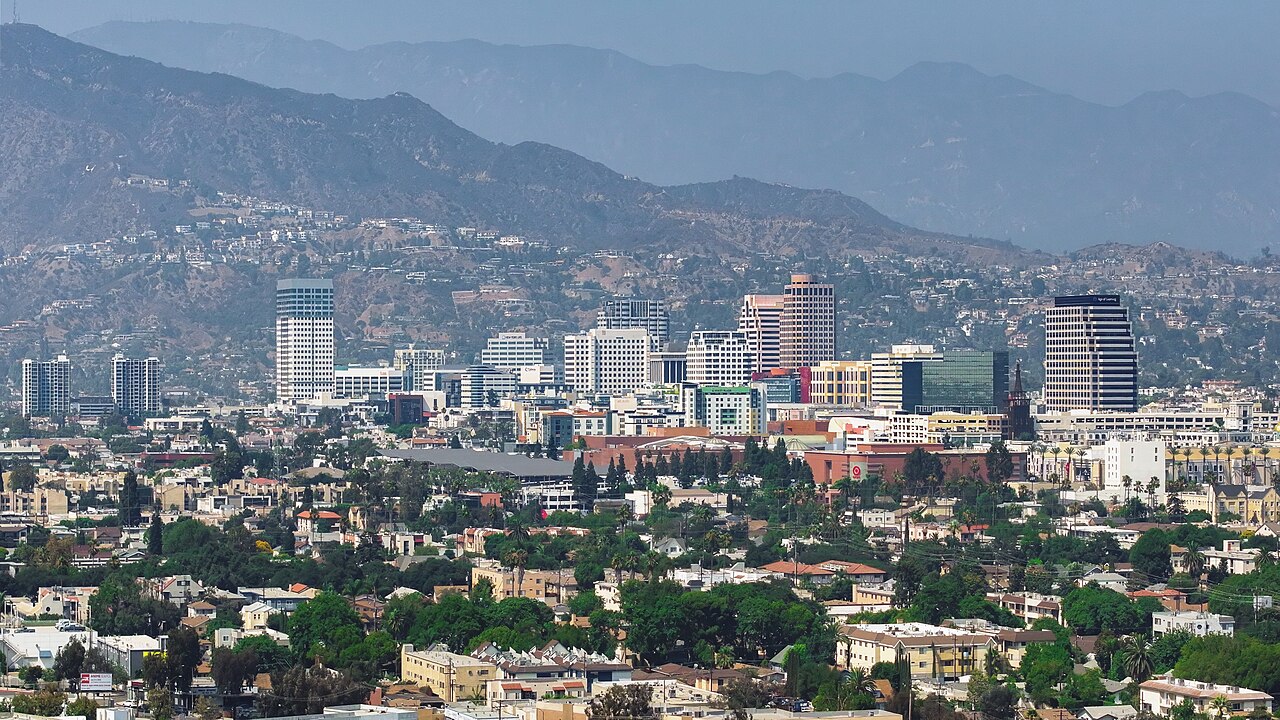 Moving to Glendale: the social systems behind school ties and civic life
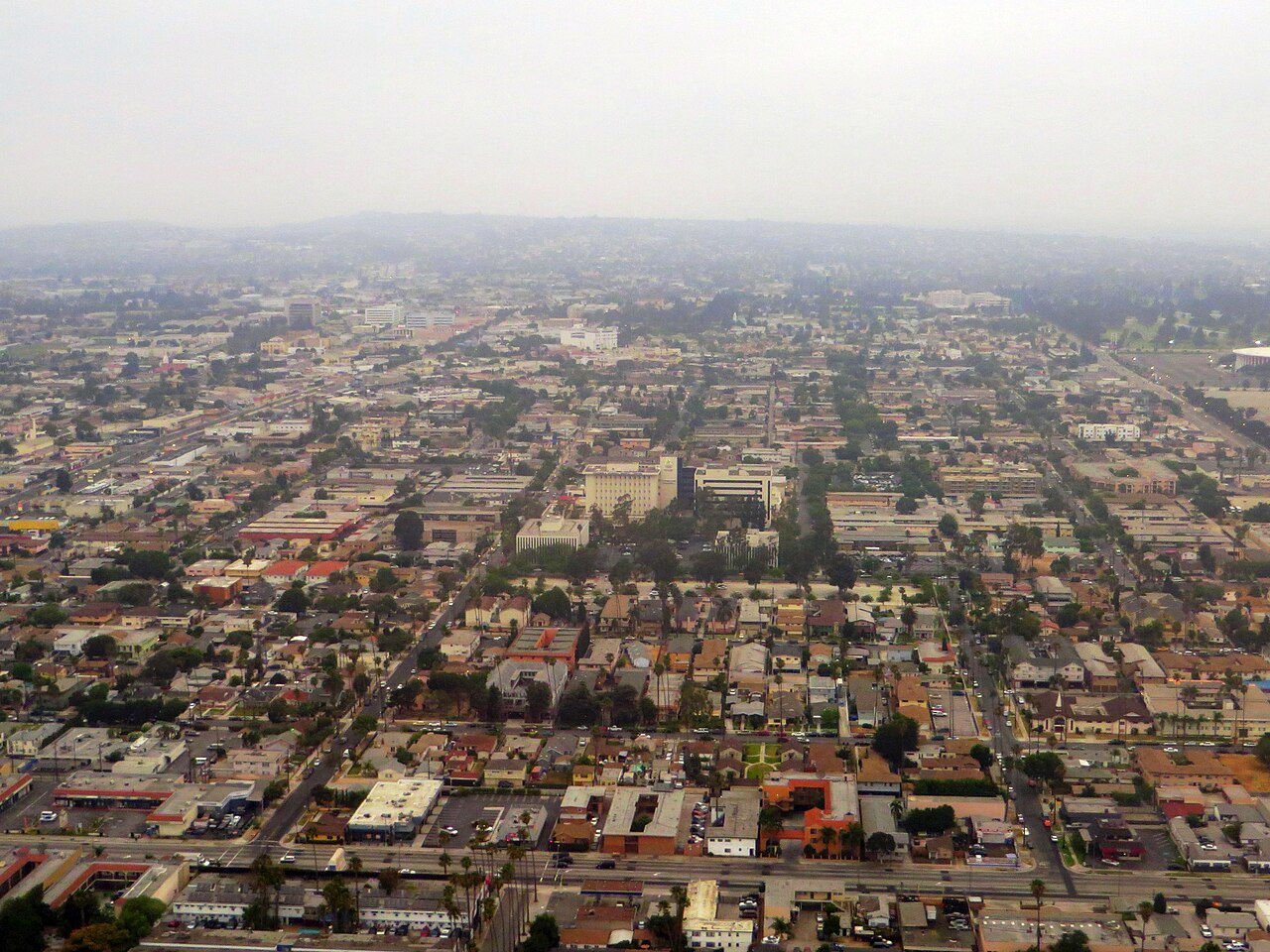 Moving to Inglewood: the social systems behind school ties and civic life
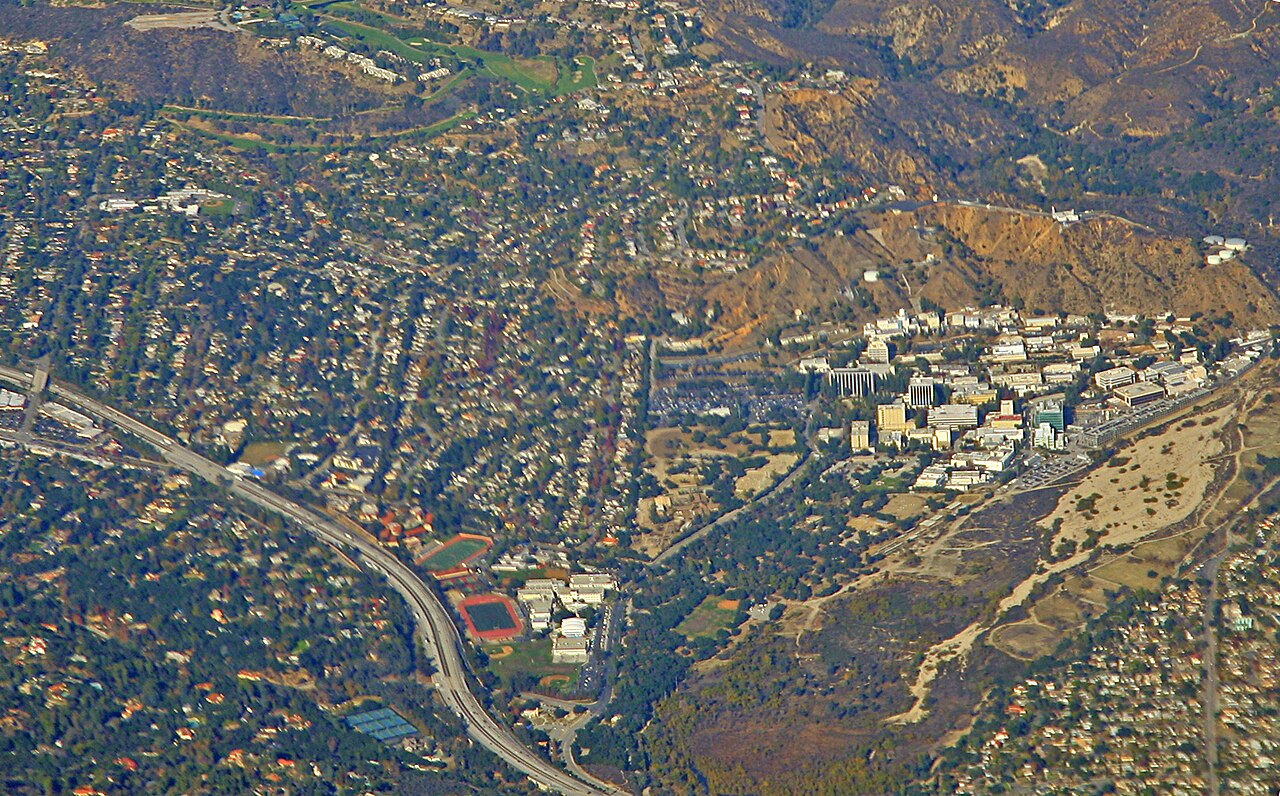 Moving to La Canada Flintridge: the social systems behind school access and library life
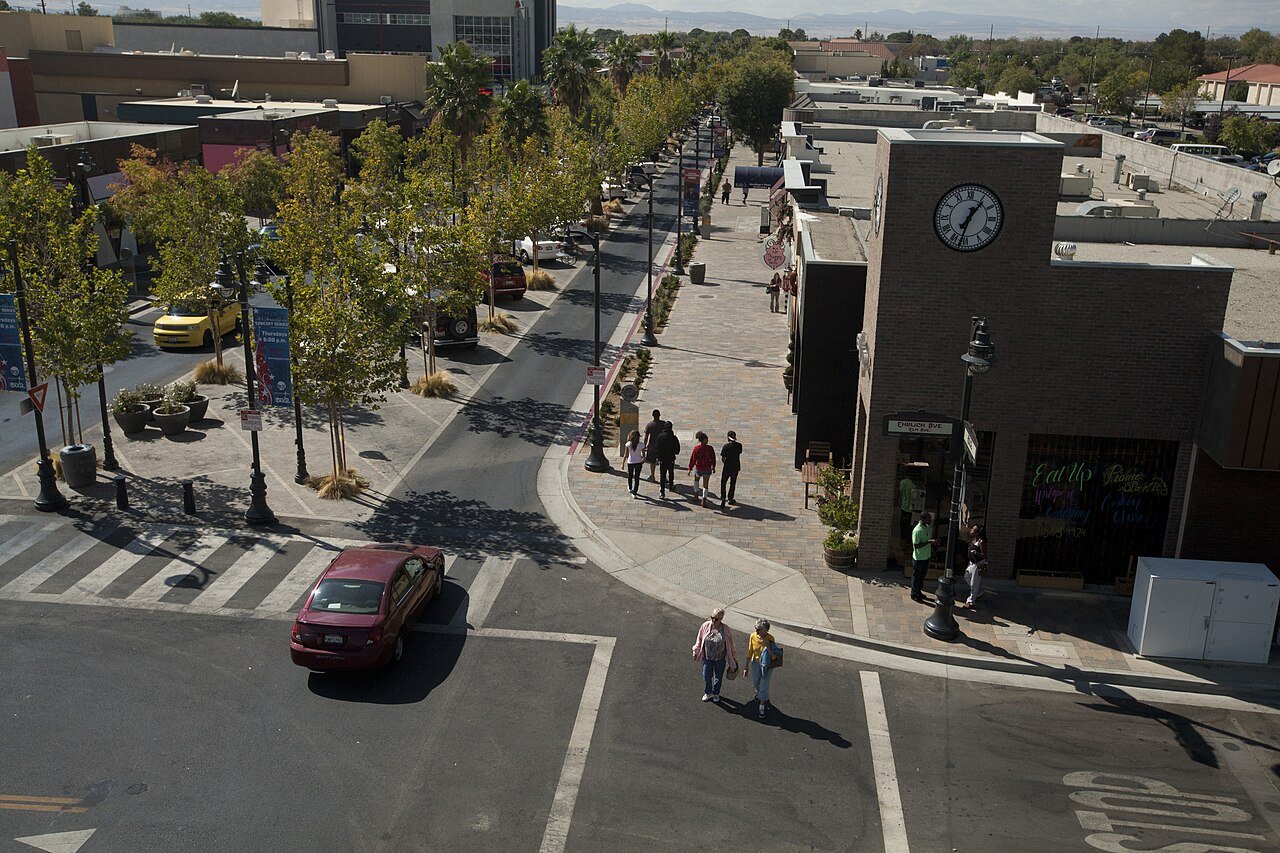 Moving to Lancaster: the social systems behind parent access and volunteer paths
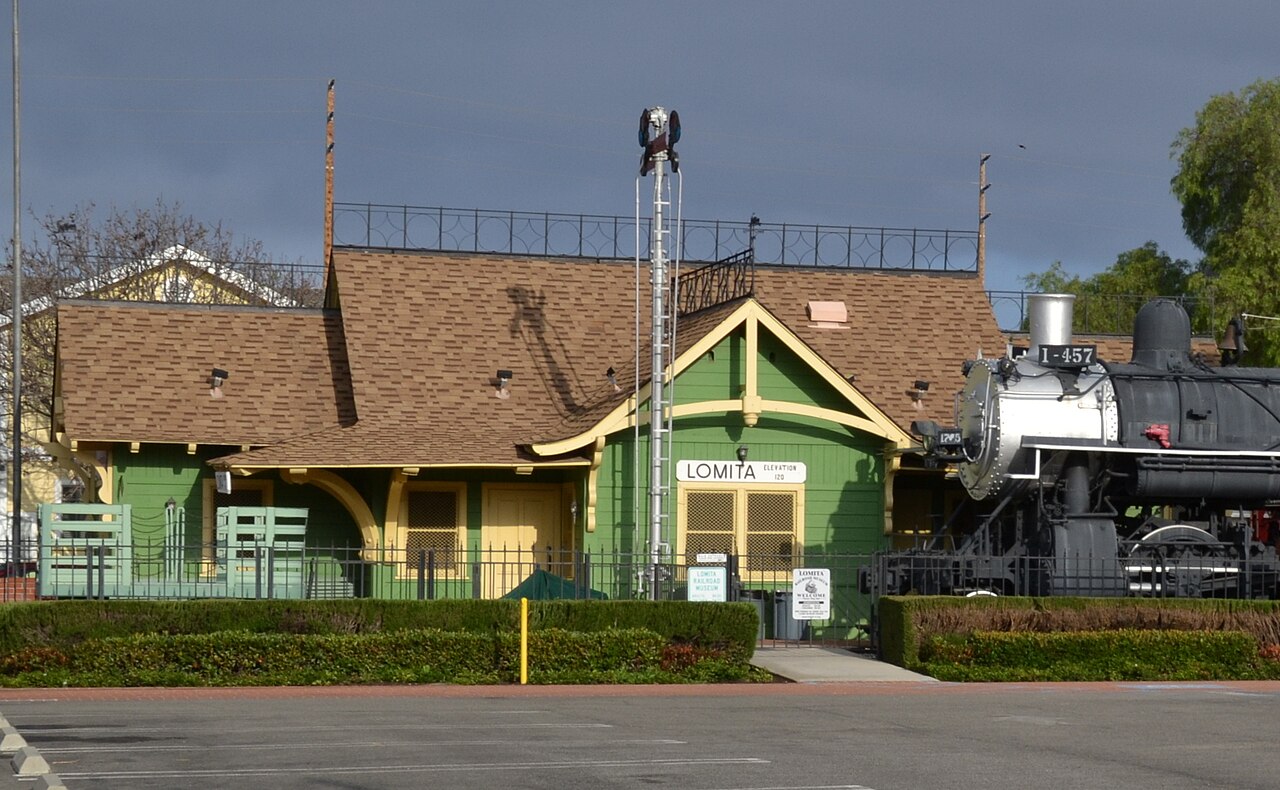 Moving to Lomita: the social systems behind school access and civic life