
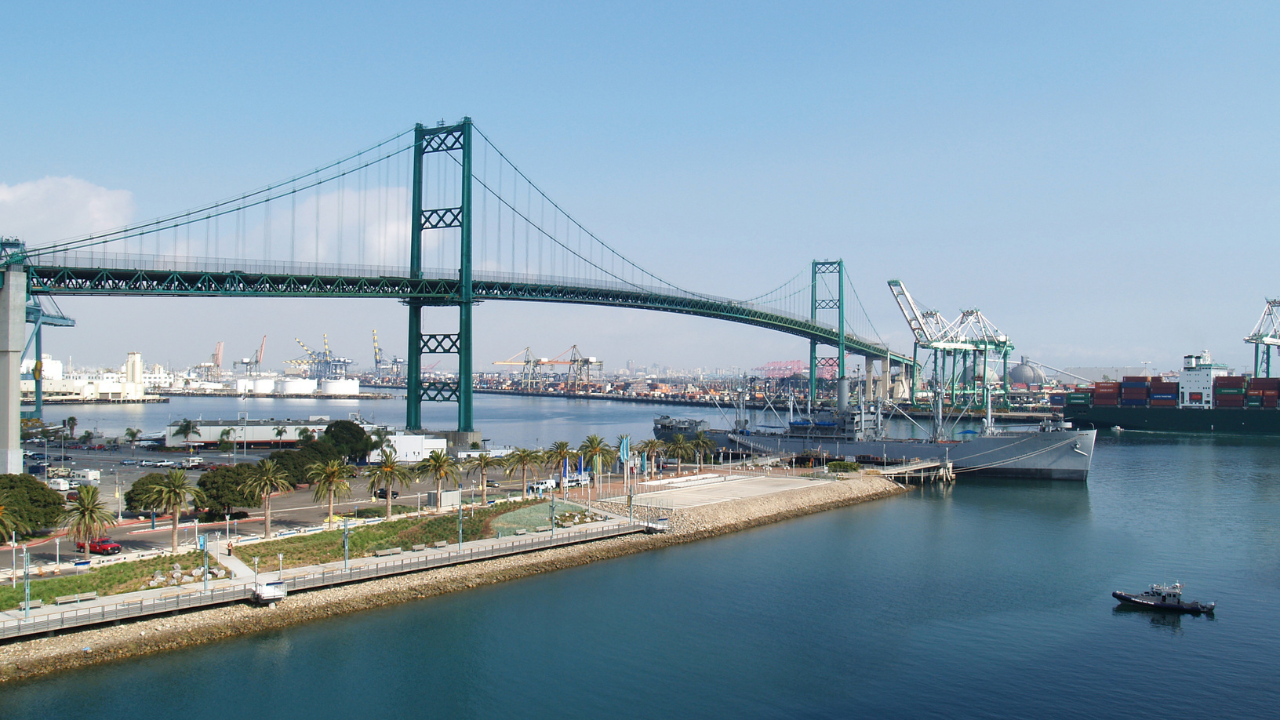
Port and logistics professionals often compare cities by a deceptively simple question: which place keeps work accessible without making the rest of life feel like an afterthought? San Pedro, Long Beach, Lakewood, and Torrance each answer that differently.
Choose around the operating schedule
A harbor-facing job, a drayage/logistics role, a warehouse-office hybrid role, and a South Bay industrial corridor job can all point to different housing maps. The useful comparison is not prestige. It is whether the city works for the hours, route, parking, home type, and services you will use every week.
When work is tied to the harbor or industrial economy, a livable move is the one that respects both the operating schedule and the off-duty recovery routine.
Start with terminal or facility access, then layer in home type, schools, parking, and weekend routine.
Quick comparison
| Option | Usually strongest for | Watch closely |
|---|---|---|
| San Pedro | A harbor-oriented fit for Port of Los Angeles access. | Topography, route, and neighborhood pocket shape daily life. |
| Long Beach | Strong for port access and broad housing/lifestyle variety. | The city is large, so narrow by exact commute and school boundary. |
| Lakewood | A practical suburban option with regional access. | Lifestyle is less coastal and more logistics-first. |
| Torrance | Useful for people whose work reaches the South Bay industrial corridor too. | Test the route during the real shift window. |
Start with the port commute window
Port and logistics work often starts before the rest of the city is moving or ends after normal commute assumptions stop being useful.
That makes the work window the first filter: terminal access, bridge crossings, yard location, warehouse route, office schedule, and whether the day includes more than one stop.
A good home base should protect the workday and the recovery time after it.
That means the city choice has to account for sleep, parking, household errands, school routes if relevant, and the kind of weekend routine that makes the move feel worth it.
How the nearby options compare
San Pedro, Long Beach, Lakewood, and Torrance can all belong in the same search, but not for the same reason.
The right comparison is not which city sounds best; it is which option supports the actual facility, shift schedule, family routine, and property type you need.
Long Beach: closest access, widest neighborhood spread
Long Beach can be the strongest port-access starting point because it offers a wide range of neighborhoods and property types near the harbor side, airport side, and inland residential pockets.
The city is broad, so the search has to narrow quickly by exact route and neighborhood rhythm.
San Pedro: harbor-adjacent coastal routine
San Pedro is the more harbor-adjacent choice for buyers who want Port of Los Angeles access and a working-waterfront identity.
It is worth testing carefully because topography, bridge access, street pattern, and property type can shape daily life as much as the city name.
Lakewood: more residential rhythm with a longer drive
Lakewood can make sense when the household values a more residential pattern, parking, services, and a practical family week.
The tradeoff is distance from the harbor feel, so the route has to work in the real shift window.
Torrance: South Bay practicality if the route still works
Torrance can fit buyers whose work reaches the South Bay industrial corridor or whose household life pulls west.
It should be treated as a practical option only after the port route has been tested at the times that matter.
The tradeoff most port and logistics buyers miss
The hidden tradeoff is not just commute length.
It is whether the home base makes a hard work schedule easier or harder: parking after a late shift, errands before work, school drop-off if relevant, maintenance on an older property, and the ability to rest when the port schedule is not nine-to-five.
Due diligence just means the checks you do before writing an offer or removing protections: commute timing, inspections, permits, insurance, property condition, and resale risk.
For port and logistics buyers, the route and schedule checks belong right next to the property checks.
How to narrow the search before touring
A cleaner search starts with the work pattern, then moves to the household pattern, and only then becomes a listings search.
Use visitor-facing filters like port commute, harbor access, shift schedule, family routine, commute tradeoff, before touring, and property checks.
- Confirm whether the job is terminal, yard, warehouse, office, shipyard, or mixed-route work.
- Test Long Beach, San Pedro, Lakewood, and Torrance from the actual worksite during the real shift window.
- Compare property type, parking, inspections, permits, insurance, and resale risk before treating a city as the answer.
- Keep the search to the cities that solve both the commute and the off-work routine.
How to decide before touring
- Name the work pattern first: terminal, office, warehouse, shipyard, logistics corridor, or mixed regional route.
- Compare the route from each city during the real work window, not a clean midday map.
- Separate harbor identity from household practicality: some buyers want the working-waterfront feel, others need space and routine.
- Check school boundaries, parking, property condition, and service access at the address level before relying on the city name.
Local video context
Watch local video context after you narrow the comparison
Use these playlists as supporting local context after the city list is narrow enough to compare daily life, commute, and market fit.
See sources used
This guide uses public city, school district, migration, tax, lending, employment, transportation, and other relevant local sources as orientation points, then translates them into practical decision questions. Verify commute, school enrollment, zoning, tax, lending, insurance, occupancy, and property-specific details with the appropriate professionals before relying on them for a real estate decision.
More Move / Relocate paths
 Port Work Calls for a Home Base That Protects Time Off the Clock
 Healthcare Workers Need a Home Base That Protects the Shift
 Two Commutes Need One Household Strategy
 The Right Family Base Starts With the School Run and Weekend
 Long Beach Can Work for OC-Adjacent Families When the Route Holds
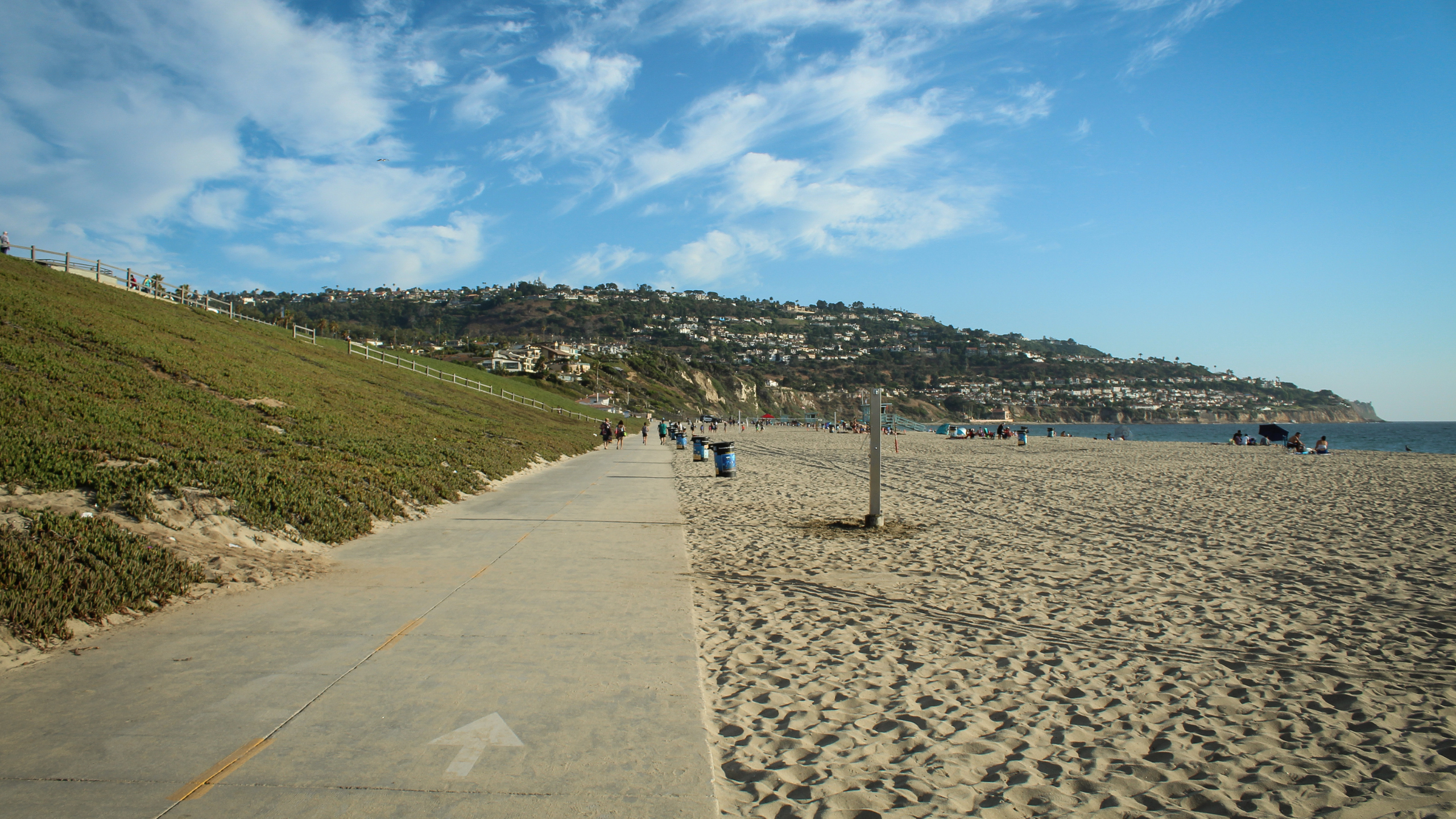 Moving to Torrance: the social systems behind school entry points and library life