
After the SpaceX IPO, the South Bay relocation question can get distorted by new paper wealth, liquidity, and peer pressure. The right answer is still local and practical: decide whether you are moving for commute control near Hawthorne, more house in Torrance or nearby inland pockets, coastal flexibility in Redondo Beach, or a premium beach-city lifestyle in Manhattan Beach or Hermosa Beach.
Quick answer
Quick answer
- Use this guide when I work at SpaceX, the IPO changed my housing options, and I need to choose a South Bay relocation lane carefully.
- Start with the decision category: Move / Relocate, then narrow by South Bay, Hawthorne, Torrance, Redondo Beach.
- Verify property-specific details, financing, taxes, disclosures, permits, insurance, and local data before acting.
- Related decision path: SpaceX RSUs Need a Lending Plan Before They Shape the Move.
Updated June 29, 2026
New liquidity should make the search clearer, not louder
A public listing can change what a SpaceX employee can consider, but it should not erase underwriting, taxes, concentration risk, or the daily rhythm of the job. The South Bay has several legitimate lanes, and each one uses the IPO differently: as down payment capacity, reserve strength, debt reduction, or lifestyle optionality.
The strongest relocation choice is rarely the city that wins every category. It is the home and location where the tradeoffs remain clear after lending, inspections, commute, schools or services, insurance, taxes, and resale are all on the table.
Before touring, separate base-income affordability from equity-driven buying power. Then compare one commute-first lane, one practical-space lane, and one lifestyle lane.
Quick comparison
| Option | Best fit when | Watch closely |
|---|---|---|
| Hawthorne-adjacent / El Segundo-adjacent | Relocators who want commute control and want the job site to remain the center of the map. | Neighborhood-by-neighborhood fit, resale audience, property condition, and whether proximity is worth lifestyle tradeoffs. |
| Torrance | Relocators who want more practical housing, parking, schools, services, and South Bay reach. | Large-city variation, exact route to Hawthorne, and whether the home type beats a closer option. |
| Redondo Beach | Relocators who want coastal access and South Bay flexibility without always jumping to the highest beach-city price band. | North versus South Redondo, property type, school boundary, and price per usable function. |
| Manhattan Beach / Hermosa Beach | Relocators using IPO liquidity for a premium beach-city lifestyle and executive-quality daily rhythm. | Concentration risk, lot size, parking, older coastal homes, and whether lifestyle spend crowds out reserves. |
| Gardena / Lawndale | Relocators who want practical access and may prefer to keep more liquidity after purchase. | Street-level due diligence, school/service needs, and resale audience. |
Do not let the IPO pick the city for you
The IPO may change the down payment conversation, but it does not answer the housing question. A relocating employee still needs to decide whether the home is meant to protect commute time, create a beach lifestyle, gain space, or preserve cash after a volatile compensation event.
A strong SpaceX relocation plan separates liquid cash, vested shares, unvested equity, base income, bonuses, taxes, and reserves before deciding whether Manhattan Beach, Redondo Beach, Torrance, or a Hawthorne-adjacent option is realistic.
Hawthorne-adjacent moving is for commute certainty
The closer-in lane is best when the job is demanding, schedule reliability matters, and the relocating employee values time more than coastal identity. That can include Hawthorne-adjacent, El Segundo-adjacent, Lawndale, Gardena, and nearby South Bay pockets.
This lane needs street-level diligence. Proximity can be valuable, but property condition, parking, school boundaries, and resale audience still decide whether the purchase is strong.
Torrance is the practical SpaceX relocation lane
Torrance often makes sense when a SpaceX buyer wants more home function, services, parking, and a calmer residential pattern while staying inside the broader South Bay. It can be the lane where strong income translates into usable daily life instead of only a prestige address.
The city is large, so do not treat it as one market. The right Torrance pocket depends on route, school boundary, property age, and weekend routine.
Redondo Beach is the flexible coastal lane
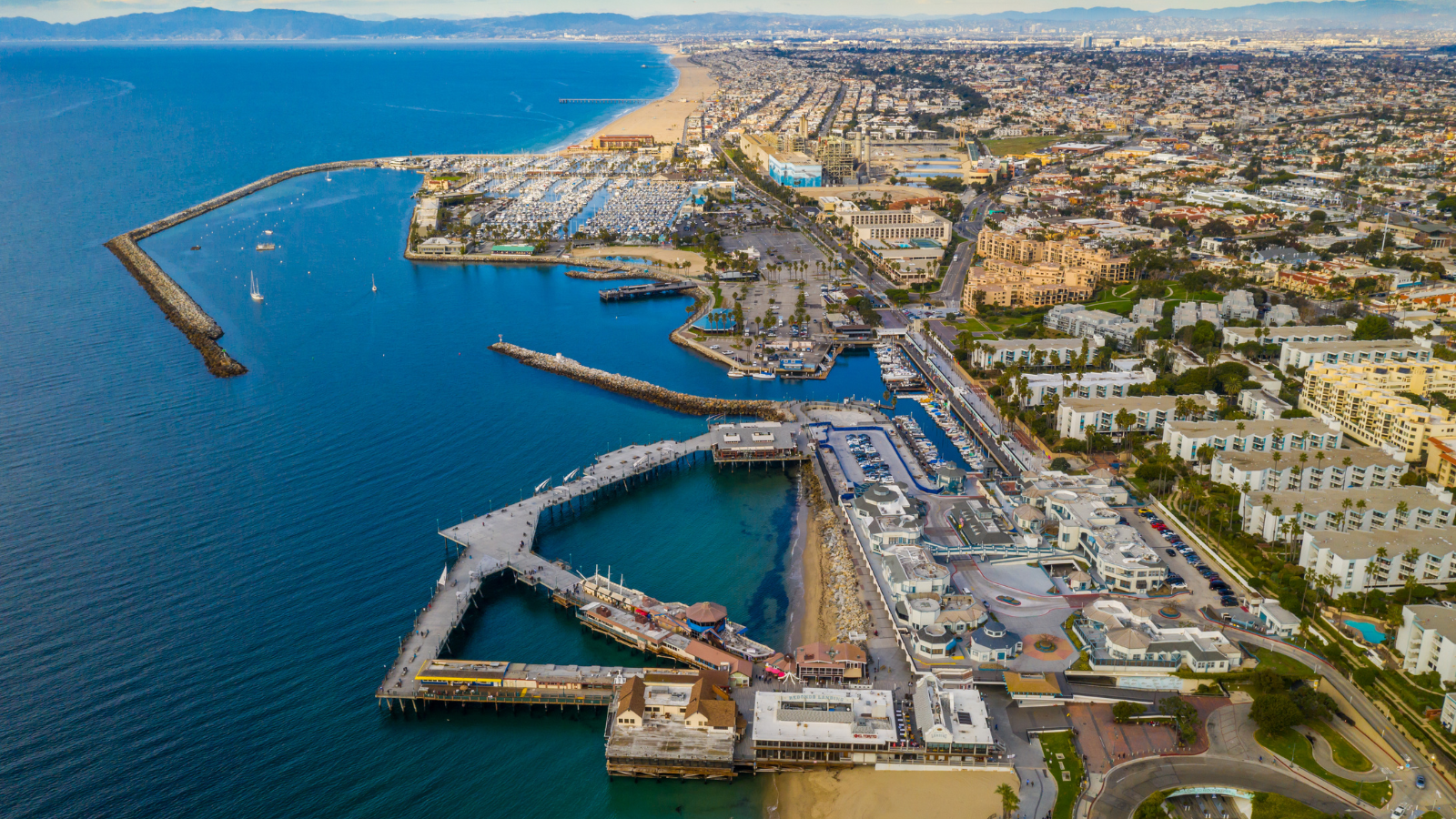
Redondo Beach can be a middle path for relocators who want a South Bay coastal life without making the entire purchase about Manhattan Beach or Hermosa Beach pricing. North Redondo and South Redondo should be compared as different decisions.
A Redondo purchase has to be specific: condo, townhome, single-family, school boundary, parking, lot size, and distance from the coast all change the financial and lifestyle outcome.
Premium beach cities require a reserve-first mindset
Manhattan Beach and Hermosa Beach can be perfectly rational choices for a SpaceX employee after liquidity, but only if the relocating employee preserves enough reserves and does not rely on a single stock outcome to justify every monthly cost.
The beach-city premium should buy a life you will actually use: walkability, beach access, local routine, and long-term fit. If those are not central, the money may work harder in Torrance, Redondo, or a closer commute lane.
How to decide before touring
- Have a lender model base income, vested equity, unvested equity, taxes, and reserves separately.
- Choose three lanes to compare: commute-first, practical-space, and premium lifestyle.
- Tour by property type, not just city name, because condos, townhomes, and single-family homes solve different problems.
- Keep enough cash and diversification flexibility after closing that the home does not depend on one equity outcome.
Local video context
Watch local video context after you narrow the comparison
Use these playlists as supporting local context after the worksite and city list are narrow enough to compare daily life, commute, and market fit.
What the sources prove and what they do not
The sources used here establish the public employment, city, school-district, airport, lending, tax, or market-listing context that the article relies on. They support the map of real worksite anchors and local decision points.
They do not prove a specific commute time, future price movement, school assignment for a particular address, loan approval, tax result, insurance outcome, HOA condition, or whether one property is a better fit than another. Those claims have to be verified at the address, route, lender, school-boundary, tax, insurance, and inspection level before a decision.
See sources used
This guide uses public city, agency, employer, school district, lending, tax, and market-listing sources as orientation points, then translates them into relocation decision questions. Verify commute, school enrollment, zoning, tax, lending, insurance, HOA, inspection, and property-specific details before relying on them for a move or purchase decision.
- SEC Form 8-K: SpaceX IPO completion and Nasdaq listing
- SEC Form S-1: SpaceX IPO registration statement
- Nasdaq: SpaceX lists on Nasdaq under SPCX
- Nasdaq: SpaceX market activity
- City of Hawthorne: SpaceX relocation announcement
- SpaceX mission and Hawthorne campus context
- City of Hawthorne
- Torrance Economic Development: Our Businesses
- City of Redondo Beach overview
- El Segundo Economic Development: Aerospace Capital of the World
- City of Manhattan Beach facts
- City of Hermosa Beach community information
More Move / Relocate paths
 SpaceX RSUs Need a Lending Plan Before They Shape the Move
 A SpaceX Commute Changes the Torrance and Redondo Tradeoff
 Aerospace and Defense Buyers Need a South Bay Search That Can Flex
 Will Your South Bay Home Sale Help You Buy the Next Home?
Aerospace Moves Work Best When the South Bay Search Can Flex
Will Your South Bay Home Sale Help You Buy the Next Home?
Aerospace Moves Work Best When the South Bay Search Can Flex
 Northrop Space Park Buyers Should Compare the Nearby South Bay Lanes