
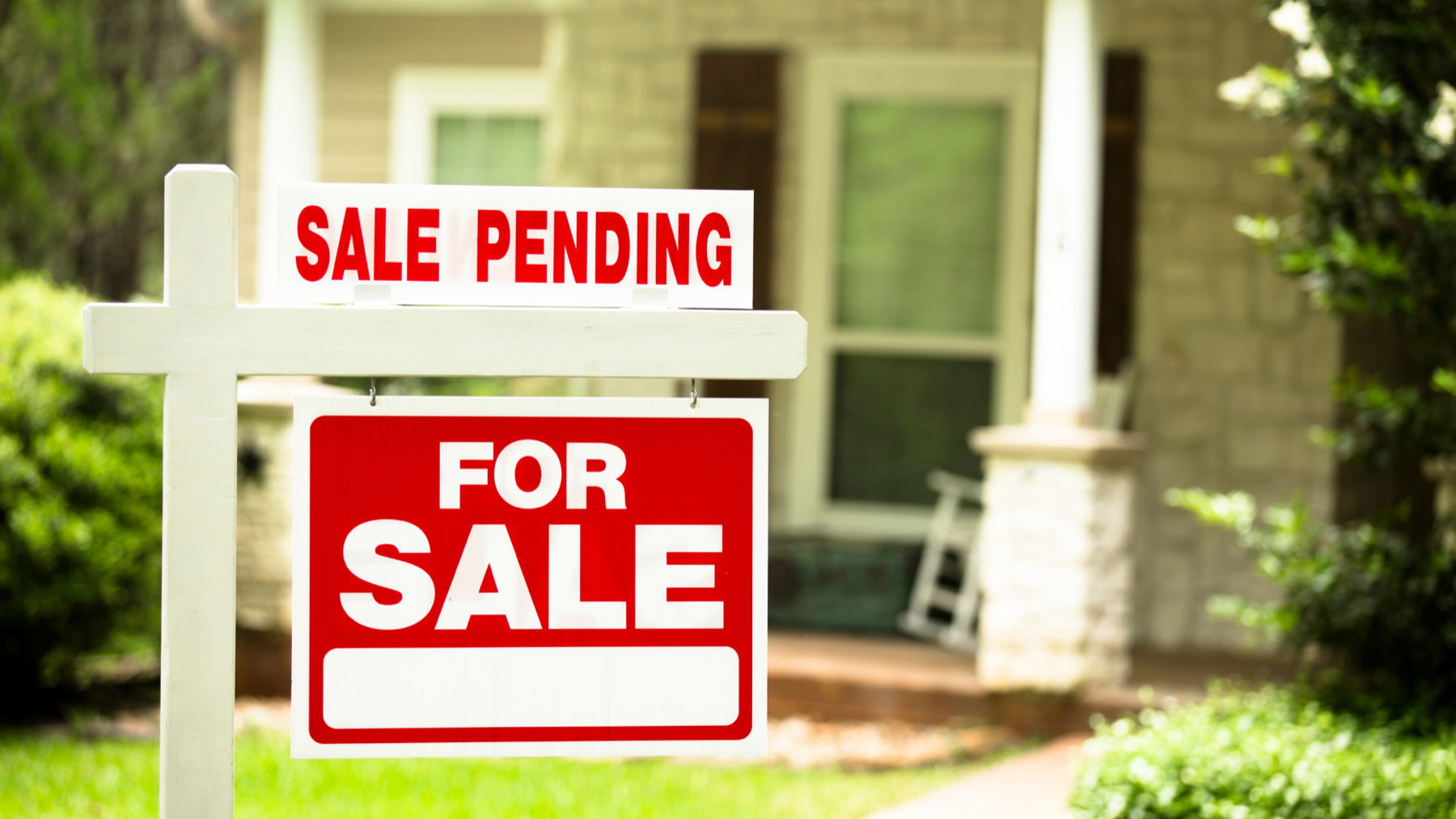
The local move may look simple on a map, but the sale, purchase, mortgage lender, moving date, and backup housing all have to agree. The same-market mover needs one coordinated plan, not two disconnected transactions.
Quick answer
Quick answer
- Use this guide when I am moving locally and need the sale and purchase to line up.
- Start with the decision category: Same-Market Move-Up, then narrow by South Bay, Long Beach, Los Angeles County, Orange County.
- Verify property-specific details, financing, taxes, disclosures, permits, insurance, and local data before acting.
- Related decision path: Selling in Torrance and Buying in Redondo, Palos Verdes, or Orange County.
Updated June 30, 2026
What the 10-mile move has to control
| Decision point | Why it matters | Do not skip |
|---|---|---|
| Estimated sale proceeds | Use a conservative estimate of the money left after selling, not a hopeful list price, as the floor for the next purchase. | Do not let online home-equity guesses or automated value estimates become the purchase budget. |
| Next-home price ceiling | Confirm the next payment, down payment, cash cushion, and mortgage lender assumptions before the home is listed. | Do not shop the next price range until the payment still works after closing costs and taxes. |
| Timing path | Choose whether to sell first, buy first, make an offer that depends on your sale, ask to stay after closing, or use temporary housing. | Do not wait until an offer arrives to decide where you will live after closing. |
Why a nearby move can still feel complicated
Moving ten miles does not remove the timing risk. It usually means the homeowner knows the market well enough to have opinions, but still needs the current home to create usable cash and a strong next-home offer.
The common mistake is treating the sale and purchase like two separate projects. In practice, the list price, showing plan, buyer's loan strength, closing date, stay-after-closing request, and next-offer strength all affect each other.
The same-agent question is really a control question
For a nearby sale and purchase, the same-agent question is best understood as a control question. One advisor is not always the answer; the point is whether local coordination, confidentiality, and timing improve.
Ask whether one advisor can understand both markets, protect private details, coordinate timelines, and tell you when another local specialist should be involved.
Your current home has a job to do
The current home is not just a financial starting point. It has to create enough estimated sale proceeds, attract a buyer who can close, and support the stay-after-closing terms you need while you compete for the next home.
A strong same-market plan starts with a conservative estimated sale-proceeds range, not the highest possible list price.
A careful same-market move sequence
- Build a conservative estimated sale-proceeds range before choosing the next search ceiling.
- Choose the next-area list before the current home goes public.
- Decide whether you need a stay-after-closing agreement, flexible close, or temporary-housing backup.
- Pressure-test whether one local advisor can coordinate both sides or whether you need specialized help.
- Review every offer for timing strength, not just headline price.
Market context
Use local market updates after the sale-and-buy plan is clear
Market videos can support timing, pricing, and offer strategy, but they do not replace an estimated sale-proceeds review, mortgage review, or next-home plan.
See sources used
This guide uses official or primary sources for mortgage, tax, home value, seller disclosure, and contract risk orientation. It is general real estate guidance, not legal, tax, mortgage, home-value, financial, or insurance advice.
More Same-Market Move-Up paths
 Selling in Torrance and Buying in Redondo, Palos Verdes, or Orange County
 Selling in Long Beach and Buying in Lakewood, Cerritos, or Los Alamitos
 Moving From East Long Beach to Seal Beach or Los Alamitos: Sale Timing, Schools, and Home Equity
 Should You Use the Same Agent to Sell and Buy Locally?
 Rent-Backs for South Bay, Long Beach, and OC Homeowners Who Need Time to Buy
 Will Your South Bay Home Sale Help You Buy the Next Home?