
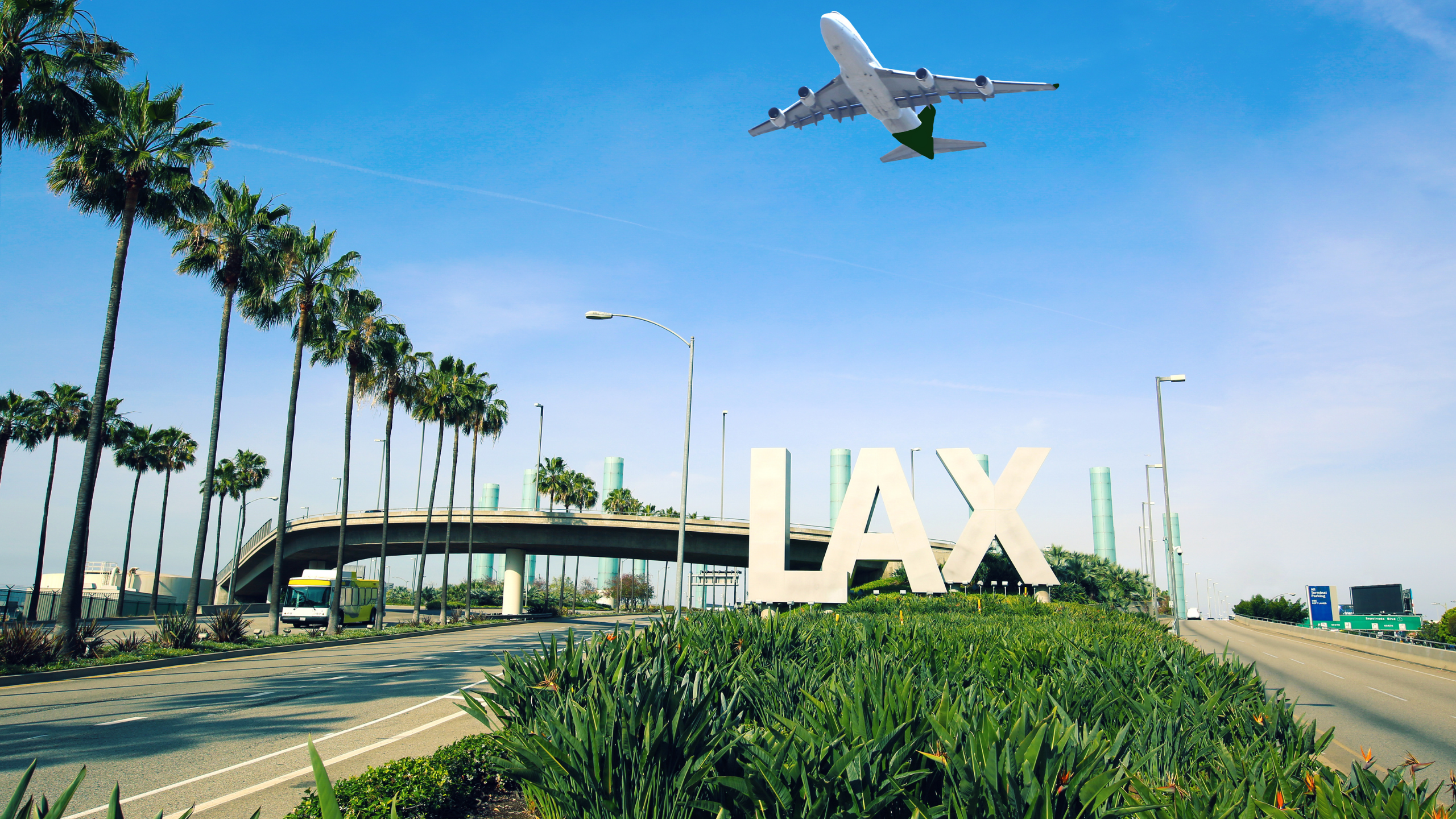
Noise and traffic are not small details when they shape daily life. If a property sits near an airport corridor, freeway, port route, rail line, or industrial corridor, buyers should test the pattern before the home feels like the only option.
Quick answer
Quick answer
- Use this guide when I am considering a home near an airport, freeway, port corridor, or heavy-traffic route and need to know what to check.
- Start with the decision category: Insurance & Natural Risk, then narrow by Long Beach, South Bay, Gateway Cities, Los Angeles County.
- Verify property-specific details, financing, taxes, disclosures, permits, insurance, and local data before acting.
- Related decision path: Should You Buy the Smaller Home in the Better Area or the Bigger Home Farther Out?.
Updated June 30, 2026
Visit the home when the nuisance is most likely to show up
A quiet open house can miss morning flights, afternoon truck movement, weekend traffic, school pickup, freeway rush hour, and nighttime patterns. The checks have to match the way the buyer will actually live there.
The strongest buying decision is rarely the listing that looks cheapest in isolation. It is the one where payment, documents, condition, insurance, rules, and resale still make sense after review.
Before writing or during the inspection window, visit at multiple times, check airport/noise resources, map truck/freeway routes, and ask whether the exposure changes the price, insurance, comfort, or resale audience.
Quick comparison
| Option | Usually strongest for | Watch closely |
|---|---|---|
| Airport-adjacent location | Buyers who value LAX, Long Beach Airport, or employment access. | Flight paths, noise reports, windows, outdoor space, sleep patterns, and resale audience. |
| Freeway-adjacent home | Buyers who want commute access or a lower price for location tradeoffs. | Noise, air-quality context, outdoor use, children, pets, filtration, and future resale. |
| Port or logistics corridor | Buyers tied to port, warehouse, or industrial employment corridors. | Truck routes, hours, roadway wear, air quality, commute direction, and neighborhood fit. |
| Interior neighborhood pocket | Buyers who want nearby access but less direct exposure. | Price premium, route convenience, and whether the calmer street still fits commute needs. |
A map cannot replace standing there
Online maps can show distance from airports, freeways, ports, and rail lines. They cannot tell you exactly how the property feels at 6:30 a.m., 4:45 p.m., late evening, or on a windy day.
Visit at the times you would actually be home. Open the windows. Walk the block. Sit in the yard if there is one.
Airport noise has official resources
Long Beach Airport and Los Angeles World Airports maintain noise resources that can orient buyers. Those resources are helpful, but a buyer should still test the specific property and room orientation.
A home may feel acceptable indoors and not outdoors, or acceptable on weekdays but not during a particular time window. The decision should be practical, not theoretical.
Traffic exposure is partly a health and comfort question
Freeway and truck-route exposure can affect noise, air-quality concerns, window use, outdoor space, and cleaning/maintenance. California air-quality resources can orient the conversation, but the exact home and household sensitivity matter.
Buyers with children, respiratory concerns, pets, or outdoor-living priorities should treat this as a serious fit question.
Port access can be a benefit and a tradeoff
For port, logistics, aerospace, and industrial professionals, transportation access may be part of the reason to buy in certain corridors. But convenience can come with truck movement, industrial edges, and route noise.
The right purchase balances commute reality with the street-level experience.
Use exposure as a pricing and resale question
If noise or traffic is noticeable, ask whether the price already reflects it and whether future buyers are likely to react the same way you do.
A lower price is not automatically a value if the daily-life exposure will make you want to move sooner than planned.
How to decide before touring
- Visit the property during commute, evening, weekend, and likely airport or truck-traffic windows.
- Check airport noise resources and local route context before assuming the open-house experience is typical.
- Consider indoor comfort, outdoor use, filtration, window orientation, and sleep patterns.
- Ask whether the exposure affects price, resale audience, and time in the home.
- Do not treat a discount as value unless the daily-life tradeoff still works.
See sources used
This guide uses public California hazard, insurance, disclosure, FEMA flood-map, earthquake, and local noise or environmental sources as orientation points. It is not legal, lending, engineering, insurance, inspection, or environmental advice. Verify property-specific hazards, insurance availability, premiums, deductibles, retrofit condition, disclosures, and maps with the appropriate professionals and agencies before relying on them for a purchase decision.
- California DRE: Information for Homebuyers
- California DRE: Disclosures in Real Property Transactions
- California Civil Code Section 1103: natural hazard disclosure framework
- Long Beach Airport: Noise Office
- Long Beach Airport: Noise Office FAQ
- Los Angeles World Airports: noise management
- Port of Long Beach: air quality
- California Air Resources Board: traffic-related air pollution and health
- Consumer Financial Protection Bureau: schedule a home inspection
More Insurance & Natural Risk paths
 How Job Growth Near Anduril, SpaceX, Northrop, and the Ports Can Affect Buyer Timing
 Should You Buy the Smaller Home in the Better Area or the Bigger Home Farther Out?
 Buying in Bixby Knolls Long Beach: Homes, Commute, Schools, and Lifestyle Fit
 Lomita CA Homes: Small-City South Bay Fit & Older-Home Checks
 Duplex Buyer Guide for Long Beach
 Buying in Belmont Shore Long Beach: What Buyers Should Know Before Touring