
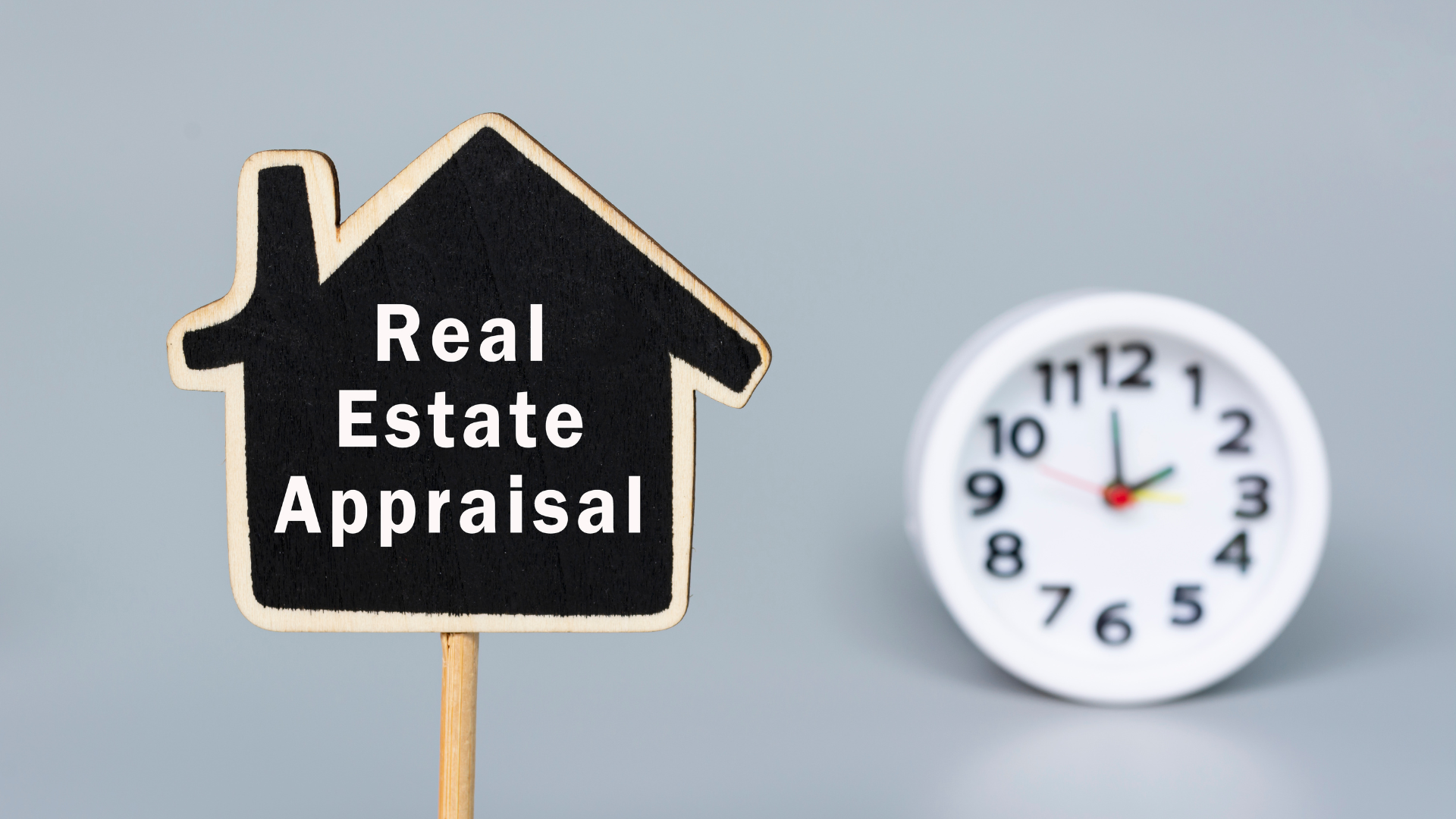
An appraisal gap is the space between what a buyer agrees to pay and what the lender's appraisal supports. In competitive parts of the South Bay, Long Beach, and Orange County, the question is not only whether you can offer more. It is whether you can handle the shortfall if the value comes in lower than the contract price.
Quick answer
Quick answer
- Use this guide when I am worried the home may not appraise at the offer price.
- Start with the decision category: Offer Strategy, then narrow by South Bay, Long Beach, Orange County.
- Verify property-specific details, financing, taxes, disclosures, permits, insurance, and local data before acting.
- Related decision path: Seller Credits vs Rate Buydowns: What Buyers Should Ask For in Southern California.
Updated June 30, 2026
Separate winning the offer from surviving the valuation
A higher offer can win attention, but the appraisal can still affect loan structure, cash needed to close, and renegotiation. The safer plan is to know the maximum shortfall you can absorb before the offer is written.
The strongest buying decision is rarely the listing that looks cheapest in isolation. It is the one where payment, documents, condition, insurance, rules, and resale still make sense after review.
Ask the lender to show what happens if the appraisal lands at the offer price, below the offer price, and below the list price. Then decide whether the cash gap still leaves enough reserves after closing.
Quick comparison
| Option | Usually strongest for | Watch closely |
|---|---|---|
| No appraisal-gap promise | Buyers who need the appraisal to support the price or who have limited extra cash. | The offer may be less aggressive, but the buyer avoids promising money that may not be available. |
| Capped gap coverage | Buyers who can cover a defined shortfall and want the seller to see that limit clearly. | The cap should be based on real cash after closing, not optimism. |
| Full gap coverage | Buyers with enough cash to cover any shortfall between appraised value and contract price. | This can be powerful but risky if it drains reserves or ignores property-condition concerns. |
| Price and terms instead of gap | Buyers who can improve timing, lender clarity, deposit strength, or inspection approach instead. | Terms may help, but they do not solve every seller's value concern. |
The appraisal is not the same thing as the market
CFPB explains that an appraisal is an independent opinion of value used by the lender. It is not a promise that the home is worth the contract price, and it is not the same thing as a buyer's emotional value or a seller's expectation.
That distinction matters when a buyer offers aggressively. The lender still needs value support for the loan, even if the buyer loves the home.
The cash question comes before the offer language
If the appraisal is lower than the contract price, the buyer may need more cash, a different loan structure, renegotiation, or another decision path. The lender should model those scenarios before the offer goes out.
Do not offer gap coverage because it sounds competitive. Offer it only after knowing the exact cash limit you can absorb while still keeping reserves, moving money, repair money, and emergency cushion.
Comparable sales are useful, but not perfect
Recent sales, condition, location, lot, view, parking, layout, and property type all shape the value conversation. In mixed local markets, two homes near each other can still be very different appraisal stories.
Fannie Mae appraisal guidance focuses on the appraiser's analysis of the property, comparable sales, contract, and market data. For buyers, that means the offer price should be tested against more than the asking price.
Use a cap when the risk is real but manageable
A capped appraisal-gap term can tell the seller the buyer is serious without writing a blank check. The cap should be a number the buyer can actually bring to closing if needed.
If the buyer cannot comfortably cover the gap, it may be better to improve lender clarity, shorten realistic timelines, or choose a different offer price.
A low appraisal is not the only risk
A property can appraise but still have repair, insurance, HOA, title, or disclosure problems. Do not let appraisal-gap strategy consume the whole decision.
The strongest buyer plan connects value, condition, cash, loan approval, and reserves before the offer becomes emotional.
How to decide before touring
- Ask the lender to model the offer price and at least two lower appraisal outcomes.
- Set a maximum appraisal shortfall you can cover without draining reserves.
- Compare recent sales, property condition, location, and uniqueness before deciding whether a gap term is justified.
- Keep appraisal strategy separate from inspection, insurance, HOA, and disclosure review.
- Write any appraisal-gap term clearly and only after lender review.
See sources used
This guide uses public lending, California common interest development, and consumer mortgage sources as orientation points. It is not legal, tax, lending, insurance, or HOA advice. Verify loan treatment, documents, reserves, taxes, insurance, and property-specific details with the appropriate professionals before relying on them for a purchase decision.
- California DRE: Information for Homebuyers
- California DRE: Disclosures in Real Property Transactions
- California Civil Code Section 1102: transfer disclosure framework
- California Civil Code Section 1103: natural hazard disclosure framework
- Consumer Financial Protection Bureau: schedule a home inspection
- Consumer Financial Protection Bureau: what appraisals are and why they matter
- Consumer Financial Protection Bureau: right to receive an appraisal copy
- Fannie Mae Selling Guide: general appraisal requirements
- Fannie Mae Selling Guide: review of the appraisal report
- Fannie Mae Selling Guide: subject and contract sections of the appraisal report
- Fannie Mae Selling Guide: improvements section of the appraisal report
More Offer Strategy paths
 Earnest Money Deposits in California
 Seller Credits vs Rate Buydowns: What Buyers Should Ask For in Southern California
 How HOA Dues Change Your Buying Power in Long Beach, South Bay, and Orange County
 FHA vs Conventional Loans for Long Beach, Gateway Cities, and South Bay Buyers
 How to Compete Against Cash Buyers in Long Beach and the South Bay
 How to Use Days on Market and Price Reductions Before Making an Offer