

Downtown Long Beach condo buying is a building-and-lifestyle decision. Buyers need to compare walkability, waterfront access, parking, noise, HOA dues, reserves, insurance, building systems, and commute before the view or price makes the decision feel easy.
Quick answer
Quick answer
- Use this guide when I am considering a Downtown Long Beach condo and need to understand building and lifestyle tradeoffs before touring.
- Start with the decision category: Local Area Buyer Guide, then narrow by Downtown Long Beach, Alamitos Beach, Bluff Park, Belmont Shore.
- Verify property-specific details, financing, taxes, disclosures, permits, insurance, and local data before acting.
- Related decision path: Condo vs Townhome vs Single-Family Home in LA County and Orange County.
Updated June 30, 2026
Start with fit, then verify the property
The right Downtown Long Beach condo works as a monthly payment, building document, parking setup, and daily routine.
The strongest buying decision is rarely the listing that looks cheapest in isolation. It is the one where payment, documents, condition, insurance, rules, and resale still make sense after review.
Before touring, decide whether parking, view, walkability, HOA dues, or quiet matters most, then compare buildings instead of only comparing unit finishes.
Quick comparison
| Option | Usually strongest for | Watch closely |
|---|---|---|
| High-rise condo | Buyers wanting views, amenities, and urban convenience. | HOA dues, reserves, insurance, elevators, parking, litigation, and noise. |
| Low-rise or smaller building | Buyers wanting a less tower-like Downtown option. | Building age, reserves, maintenance, parking, and sound transfer. |
| Alamitos Beach | Buyers wanting coastal-urban living nearby. | Parking, older buildings, HOA, and noise. |
| Signal Hill | Buyers wanting nearby condos with a different city feel. | Commute, HOA, views, and city-services differences. |
Start here if this is the decision in front of you
Downtown Long Beach fits buyers who want walkability, restaurants, waterfront access, transit options, urban energy, and condo convenience.
It is a weaker fit for buyers who need quiet residential streets, easy guest parking, a yard, or minimal HOA/building complexity.
What the homes are really asking you to compare
Housing includes high-rise condos, mid-rise buildings, loft-style units, older condo buildings, townhome-style units, and nearby mixed-use properties.
Price pressure can come from views, parking, amenities, building reputation, floor level, waterfront access, and HOA value.
The monthly cost is only part of the story
HOA documents are central: dues, reserves, insurance, litigation, rules, rental limits, parking deed/assignment, elevators, plumbing, balconies, and deferred maintenance.
Treat the listing price as the opening number, not the final answer. The better comparison is the full ownership picture: payment, taxes, insurance, association rules, repairs, documents, and the amount of cash you still want left after closing.
Test the location the way you will actually live
Downtown works for Long Beach jobs, port/logistics, hospitals, transit users, and some freeway commutes, but bridge, event, and parking patterns should be tested.
Compare Alamitos Beach, Bluff Park, Belmont Shore, Signal Hill, Bixby Knolls, and East Long Beach depending on parking, space, and quiet.
What to verify before you write
Review HOA packet, building reserves, master insurance, parking rights, noise at night, elevator condition, rental rules, special assessments, and lender project review.
Verify current HOA dues, reserves, insurance, special assessments, building-level sales, parking availability, and rental restrictions.
The move that keeps you in control
Choose the building before choosing the unit finishes.
If the answer depends on the exact address, slow the decision down long enough to compare the property, documents, timing, and cash plan. The goal is not to win the fastest. The goal is to choose the home with fewer expensive surprises.
How to decide before touring
- Confirm the area fits the household's daily routine before focusing on a listing.
- Compare housing stock, parking, noise, school assignment, HOA documents, insurance, and commute before writing.
- Review disclosures, permits, inspections, and property-specific documents early.
- Tour nearby alternatives so the area choice is intentional, not accidental.
- Ask a local buyer question before the offer timeline compresses the decision.
See sources used
This guide uses public city, county, school-district, planning, parking, permit, disclosure, inspection, insurance, and property-review sources as orientation points. It is not legal, tax, lending, insurance, appraisal, inspection, school-boundary, or investment advice. Verify property-specific documents, school assignment, permits, insurance, HOA documents, hazards, market data, and condition with the appropriate professionals before relying on it for a purchase decision.
- City of Long Beach: planning bureau
- City of Long Beach: historic districts
- City of Long Beach: historic preservation
- City of Long Beach: parking services
- City of Long Beach: Permit Center
- City of Long Beach: permit status and records
- Long Beach Unified School District
- California DRE: Information for Homebuyers
- California DRE: Disclosures in Real Property Transactions
- Consumer Financial Protection Bureau: schedule a home inspection
- Consumer Financial Protection Bureau: what appraisals are and why they matter
- California Civil Code Section 4525: common interest development transfer documents
- California Civil Code Section 5300: annual budget report
- California Civil Code Section 5550: reserve study requirements
- California Department of Real Estate: Reserve Study Guidelines
- Fannie Mae Selling Guide: monthly housing expense for the subject property
- Fannie Mae Selling Guide: monthly debts compared with income
- Fannie Mae Selling Guide: general appraisal requirements
- California Tax Guide for New Homeowners: property taxes and assessments
- Orange County Treasurer-Tax Collector: property tax
More Local Area Buyer Guide paths
 Buying in Bluff Park Long Beach: Coastal Living, Condos, Parking, and Older Homes
 Condo vs Townhome vs Single-Family Home in LA County and Orange County
 Downtown Hermosa Beach Buyer Guide: Walkability, Noise, Condos, and Beach Lifestyle
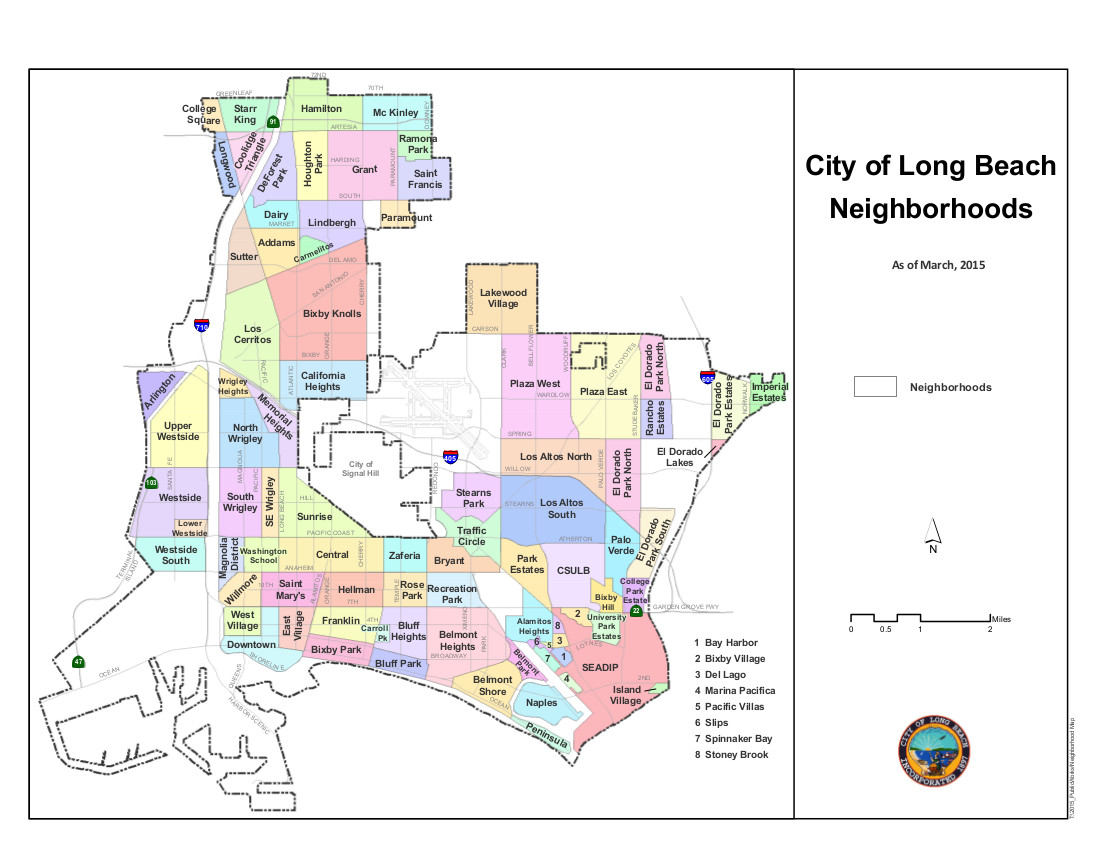 Long Beach Neighborhoods for Buyers: Where to Start Your Search
 Buying in Belmont Shore Long Beach: What Buyers Should Know Before Touring
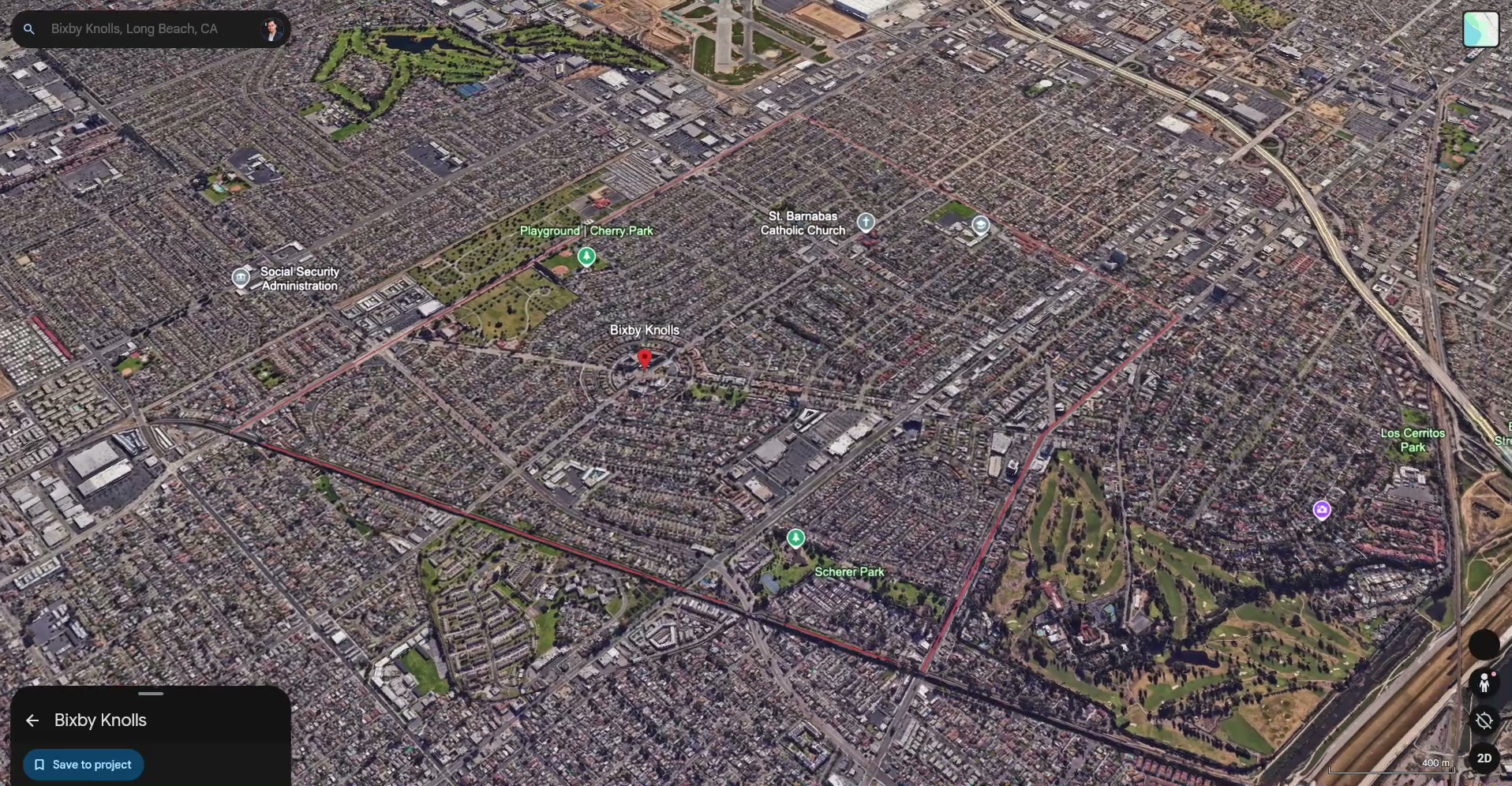 Buying in Bixby Knolls Long Beach: Homes, Commute, Schools, and Lifestyle Fit