
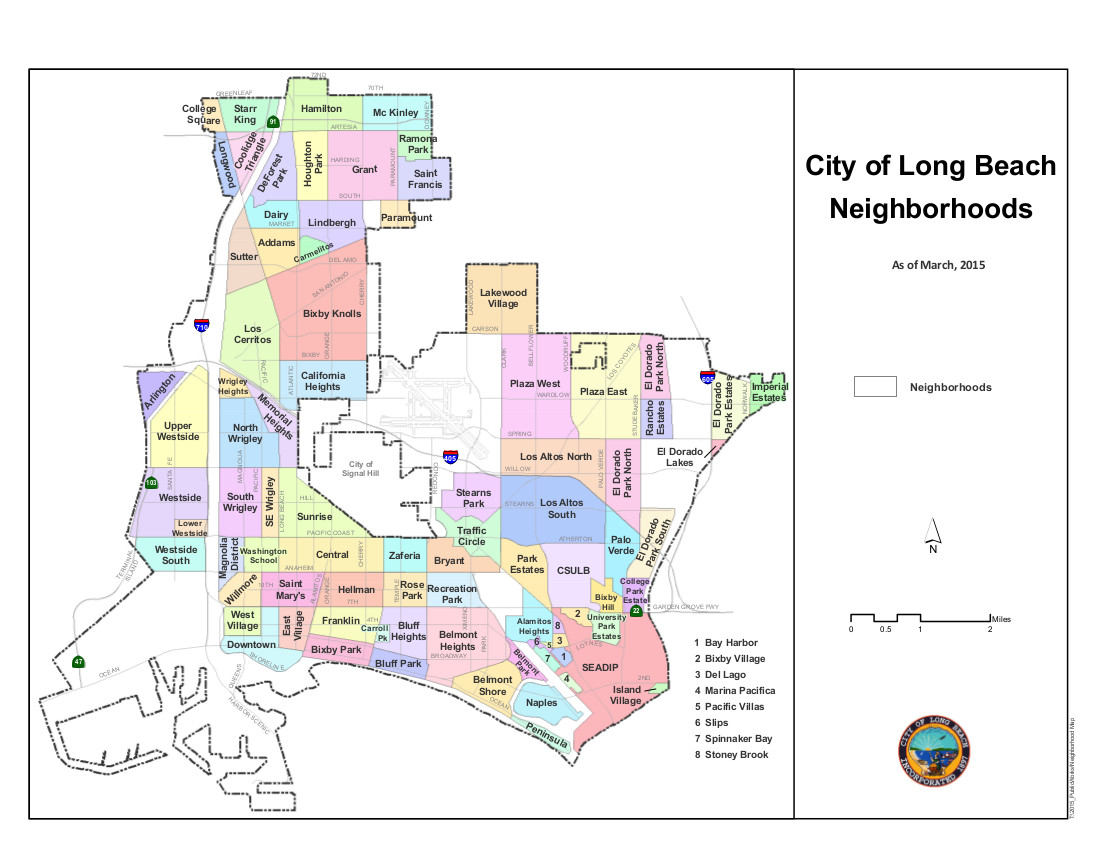
The best Long Beach neighborhood is not one universal answer. It depends on whether the buyer is solving for beach access, parking, schools, commute, home size, historic character, condo convenience, investment flexibility, or quiet residential routine.
Quick answer
Quick answer
- Use this guide when I know I want Long Beach, but I do not know which neighborhood to start with.
- Start with the decision category: Local Area Buyer Guide, then narrow by Long Beach, Belmont Shore, Naples Island, Bixby Knolls.
- Verify property-specific details, financing, taxes, disclosures, permits, insurance, and local data before acting.
- Related decision path: Downtown Long Beach Condo Buyer Guide: HOA, Parking, Noise, and Lifestyle Tradeoffs.
Updated June 30, 2026
Start with fit, then verify the property
The smartest starting point is to sort Long Beach by buyer intent, then compare neighborhoods that solve the same problem.
The strongest buying decision is rarely the listing that looks cheapest in isolation. It is the one where payment, documents, condition, insurance, rules, and resale still make sense after review.
Before touring, choose your top two search priorities and eliminate neighborhoods that do not serve them, even if the listing looks attractive.
Quick comparison
| Option | Usually strongest for | Watch closely |
|---|---|---|
| Coastal lifestyle | Buyers prioritizing beach, restaurants, walkability, and water access. | Belmont Shore, Naples, Bluff Park, Alamitos Beach, parking, noise, and coastal risk. |
| Historic character | Buyers wanting older architecture and established streets. | Belmont Heights, California Heights, Rose Park, permits, preservation, and older systems. |
| Larger suburban feel | Buyers wanting more home, yard, or quieter streets. | El Dorado Park Estates, Park Estates, Los Altos, Bixby Knolls, and commute. |
| Urban condo lifestyle | Buyers wanting walkability, amenities, and lower-maintenance ownership. | Downtown, Alamitos Beach, HOA documents, parking, noise, and building condition. |
Start here if this is the decision in front of you
This guide is for buyers who want Long Beach but need a practical way to choose a first search radius.
It is a weaker fit for buyers looking for a ranked list that declares one neighborhood best for everyone.
What the homes are really asking you to compare
Long Beach includes beach cottages, historic homes, suburban single-family homes, condos, townhomes, duplexes, high-rises, and small multifamily properties.
Price pressure depends on lifestyle anchor: beach access, school perception, lot size, views, historic character, parking, condo amenities, or commute convenience.
The monthly cost is only part of the story
Coastal and condo buyers should review HOA, insurance, flood, reserves, and building condition. Older-home buyers should review sewer, foundation, roof, drainage, electrical, and permits.
Treat the listing price as the opening number, not the final answer. The better comparison is the full ownership picture: payment, taxes, insurance, association rules, repairs, documents, and the amount of cash you still want left after closing.
Test the location the way you will actually live
Long Beach commute fit varies sharply: downtown, port, Orange County, South Bay, LAX, hospitals, CSULB, and remote/hybrid routines point buyers toward different pockets.
If Long Beach does not solve the main need, compare Lakewood, Signal Hill, Seal Beach, Los Alamitos, Torrance, Redondo Beach, and Gateway Cities.
What to verify before you write
Start with commute, school assignment, parking, property type, insurance, HOA documents, permits, condition, noise, and weekend/evening street feel.
Verify current inventory and sales by neighborhood, not only citywide averages. Long Beach is too varied for one market number to explain the buyer experience.
The move that keeps you in control
Use this page to pick three Long Beach neighborhoods to compare before opening listing alerts.
If the answer depends on the exact address, slow the decision down long enough to compare the property, documents, timing, and cash plan. The goal is not to win the fastest. The goal is to choose the home with fewer expensive surprises.
How to decide before touring
- Pick the main reason you want Long Beach: beach, space, commute, schools, lifestyle, or value.
- Choose three neighborhoods that solve that same reason.
- Compare property type, parking, HOA, insurance, permits, condition, and commute.
- Tour each neighborhood at normal-life times, not only during a weekend open house.
- Build the listing search after the neighborhood shortlist is clear.
See sources used
This guide uses public city, county, school-district, planning, parking, permit, disclosure, inspection, insurance, and property-review sources as orientation points. It is not legal, tax, lending, insurance, appraisal, inspection, school-boundary, or investment advice. Verify property-specific documents, school assignment, permits, insurance, HOA documents, hazards, market data, and condition with the appropriate professionals before relying on it for a purchase decision.
- City of Long Beach: planning bureau
- City of Long Beach: historic districts
- City of Long Beach: historic preservation
- City of Long Beach: parking services
- City of Long Beach: Permit Center
- City of Long Beach: permit status and records
- Long Beach Unified School District
- California DRE: Information for Homebuyers
- California DRE: Disclosures in Real Property Transactions
- Consumer Financial Protection Bureau: schedule a home inspection
- Consumer Financial Protection Bureau: what appraisals are and why they matter
More Local Area Buyer Guide paths
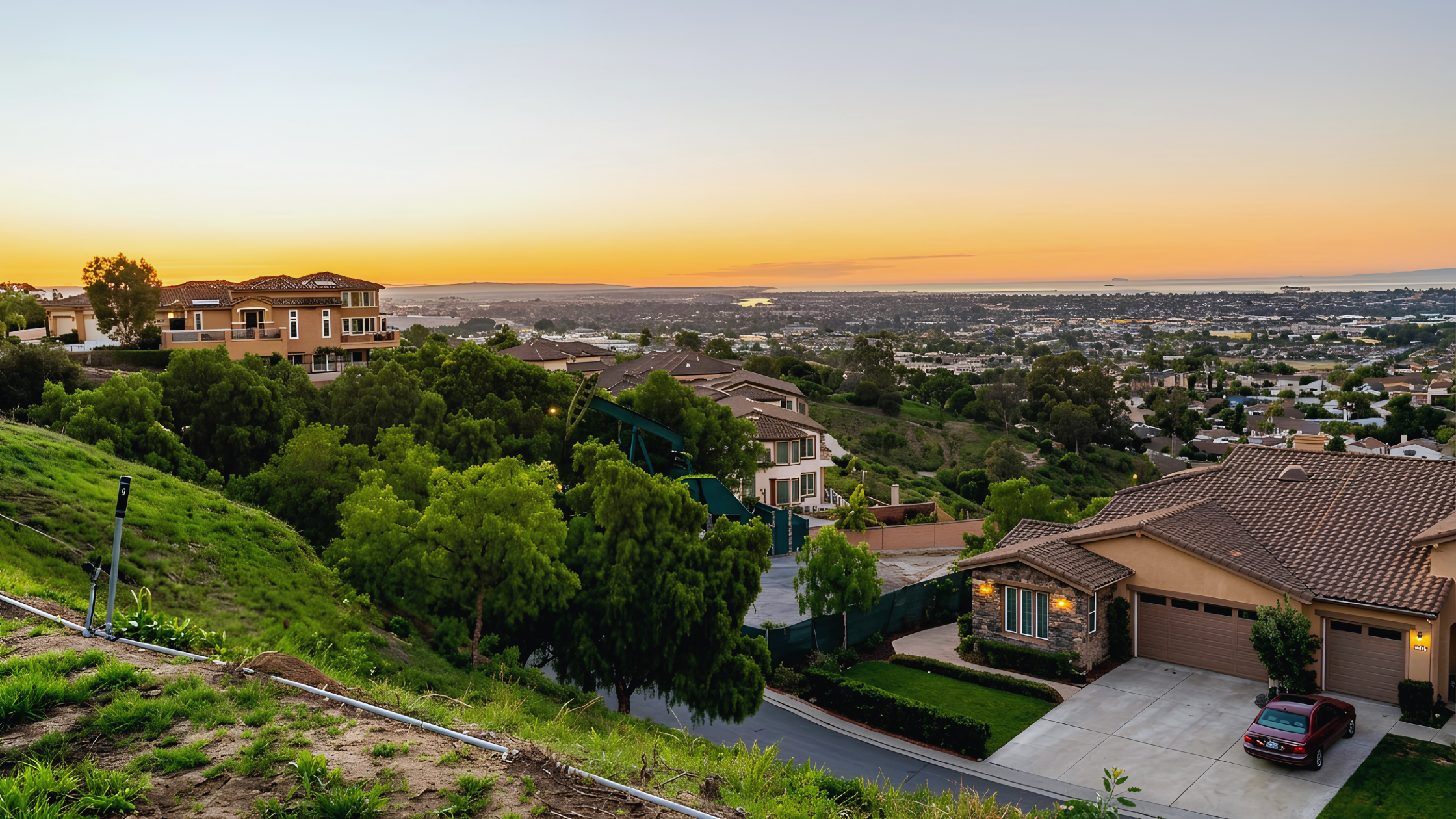 Signal Hill CA Homes: Condos, Views & Long Beach Access
 Downtown Long Beach Condo Buyer Guide: HOA, Parking, Noise, and Lifestyle Tradeoffs
 Buying in Naples Island Long Beach: Waterfront Homes, Canals, Parking, and Lifestyle
 Buying in Bluff Park Long Beach: Coastal Living, Condos, Parking, and Older Homes
 Buying in Belmont Shore Long Beach: What Buyers Should Know Before Touring
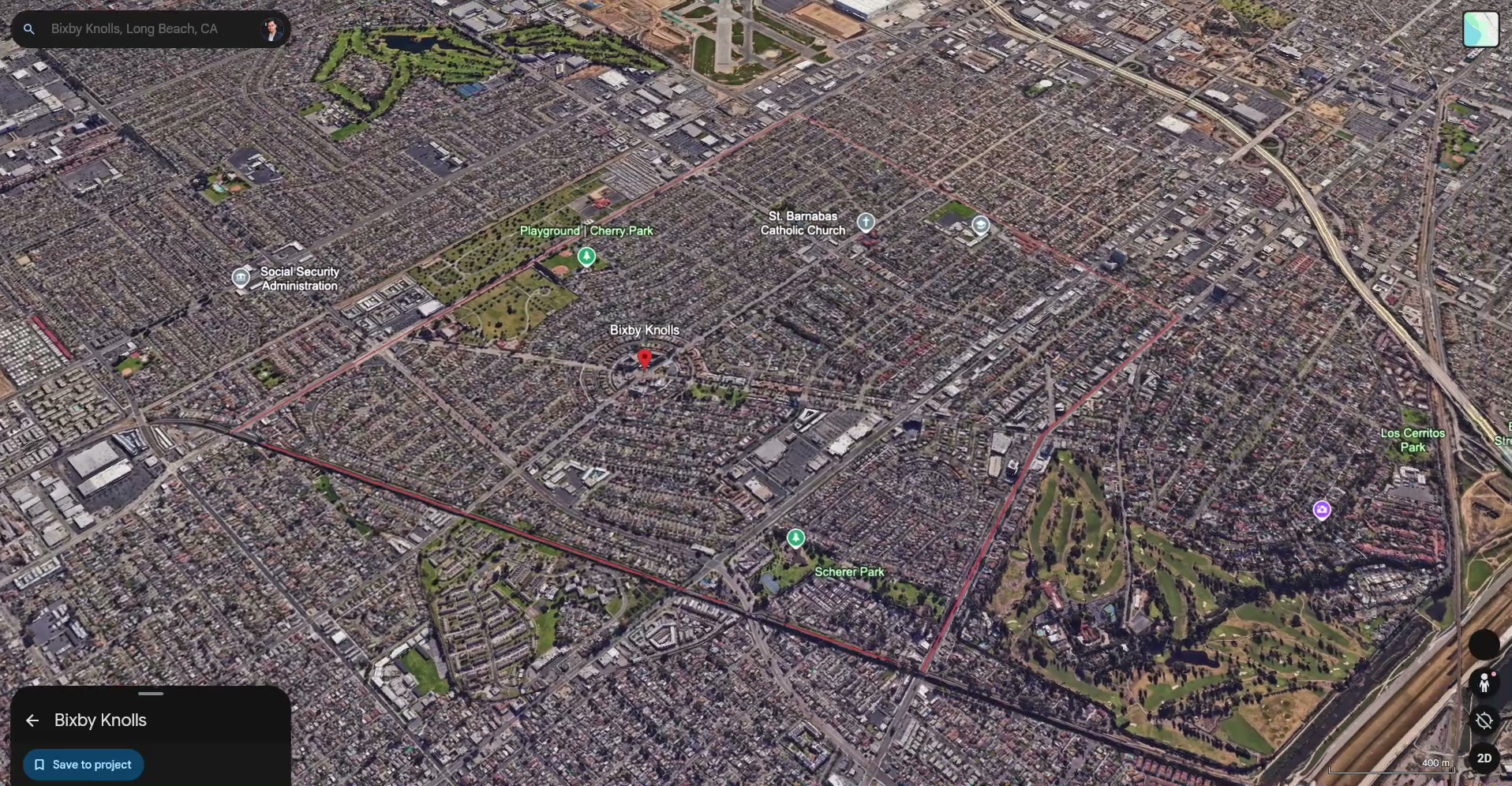 Buying in Bixby Knolls Long Beach: Homes, Commute, Schools, and Lifestyle Fit