
A Long Beach duplex can offer flexibility: live in one unit, rent the other, hold for income, or create multi-generational space. But it also brings tenant, permit, inspection, insurance, repair, parking, and rent-reality questions that a single-family buyer may not be used to asking.
Quick answer
Quick answer
- Use this guide when I am considering a Long Beach duplex and need to know what to check before treating rental income as the answer.
- Start with the decision category: Property Risk, then narrow by Long Beach, Lakewood, Signal Hill, San Pedro.
- Verify property-specific details, financing, taxes, disclosures, permits, insurance, and local data before acting.
- Related decision path: Buying in Bixby Knolls Long Beach: Homes, Commute, Schools, and Lifestyle Fit.
Updated June 30, 2026
Buy the property and the operating reality
Rental income is useful only if it is documented, legal, durable, and compatible with the buyer's loan, cash reserves, tenant plan, and repair budget.
The strongest buying decision is rarely the listing that looks cheapest in isolation. It is the one where payment, documents, condition, insurance, rules, and resale still make sense after review.
Before writing, separate the owner-occupant plan from the rental plan and verify permits, unit count, leases, rents, deposits, repairs, insurance, and lender treatment.
Quick comparison
| Option | Usually strongest for | Watch closely |
|---|---|---|
| Owner-occupant duplex | Buyers who want to live in one unit and use the second unit for rental support. | Vacancy timing, tenant rights, privacy, noise, parking, and cash reserves. |
| Investor-style duplex | Buyers evaluating income and long-term hold strategy. | Rent, expenses, repairs, insurance, vacancy, management, and local rental rules. |
| Duplex with unpermitted space | Buyers attracted to extra rooms, converted garages, or bonus units. | Permit history, legal unit count, appraisal, insurance, safety, and resale risk. |
| Single-family alternative | Buyers who want fewer tenant and operating questions. | You may lose rental flexibility but gain simpler daily ownership. |
Start here if this is the decision in front of you
This guide is for Long Beach buyers comparing duplexes, triplexes, fourplexes, and small multi-family homes as owner-occupants or long-term holders.
It is a weaker fit for buyers who want passive income without tenant, repair, legal, and management responsibilities.
What the homes are really asking you to compare
Long Beach duplex stock can include older bungalows, Spanish-style properties, mid-century small apartment-style buildings, converted structures, and properties with garage or accessory-unit questions.
A duplex can price differently from a single-family home because income potential, unit mix, condition, tenant status, and investor demand affect value.
The monthly cost is only part of the story
Most duplexes do not have HOA dues, but insurance, liability, rental coverage, older systems, and tenant-occupied access can be more important than in a simple owner-occupied home.
Treat the listing price as the opening number, not the final answer. The better comparison is the full ownership picture: payment, taxes, insurance, association rules, repairs, documents, and the amount of cash you still want left after closing.
Test the location the way you will actually live
Location still matters: compare access to Downtown Long Beach, ports, hospitals, CSULB, freeways, transit, Orange County routes, and the buyer's own daily routine.
Compare against a house with an accessory dwelling unit, a condo/townhome plus separate investment plan, a Lakewood single-family home, or a smaller Long Beach house with fewer operating variables.
What to verify before you write
Verify legal unit count, permits, leases, rent amounts, deposits, tenant status, inspection access, sewer, roof, electrical, plumbing, parking, insurance, and lender treatment of rental income.
Before writing, verify current rent assumptions, tenant status, insurance quotes, local rental rules, financing treatment, and whether the income supports the price after repairs.
The move that keeps you in control
Run a duplex worksheet before touring widely: payment, rents, vacancy, reserves, repairs, insurance, taxes, and your own privacy tolerance.
If the answer depends on the exact address, slow the decision down long enough to compare the property, documents, timing, and cash plan. The goal is not to win the fastest. The goal is to choose the home with fewer expensive surprises.
How to decide before touring
- Confirm legal unit count and permit history before relying on income.
- Review leases, rent, deposits, tenant status, and access for inspections.
- Ask the lender how rental income can or cannot be counted.
- Inspect roof, sewer, electrical, plumbing, drainage, parking, and safety items closely.
- Decide whether the property still works if one unit is vacant or needs repairs.
See sources used
This guide uses public real estate, mortgage, tax, disclosure, permit, and program sources as orientation points. It is not legal, tax, lending, insurance, appraisal, inspection, investment, or financial-planning advice. Verify property-specific documents, lender treatment, tax timing, insurance, condition, permits, and local market data with the appropriate professionals before relying on it for a purchase decision.
- City of Long Beach: Rental Housing Inspection Program
- City of Long Beach: permit status and records
- City of Long Beach: building permits
- City of Long Beach: Permit Center
- California DRE: Information for Homebuyers
- California DRE: Disclosures in Real Property Transactions
- Consumer Financial Protection Bureau: schedule a home inspection
- Fannie Mae Selling Guide: general appraisal requirements
- Fannie Mae Selling Guide: monthly housing expense for the subject property
More Property Risk paths
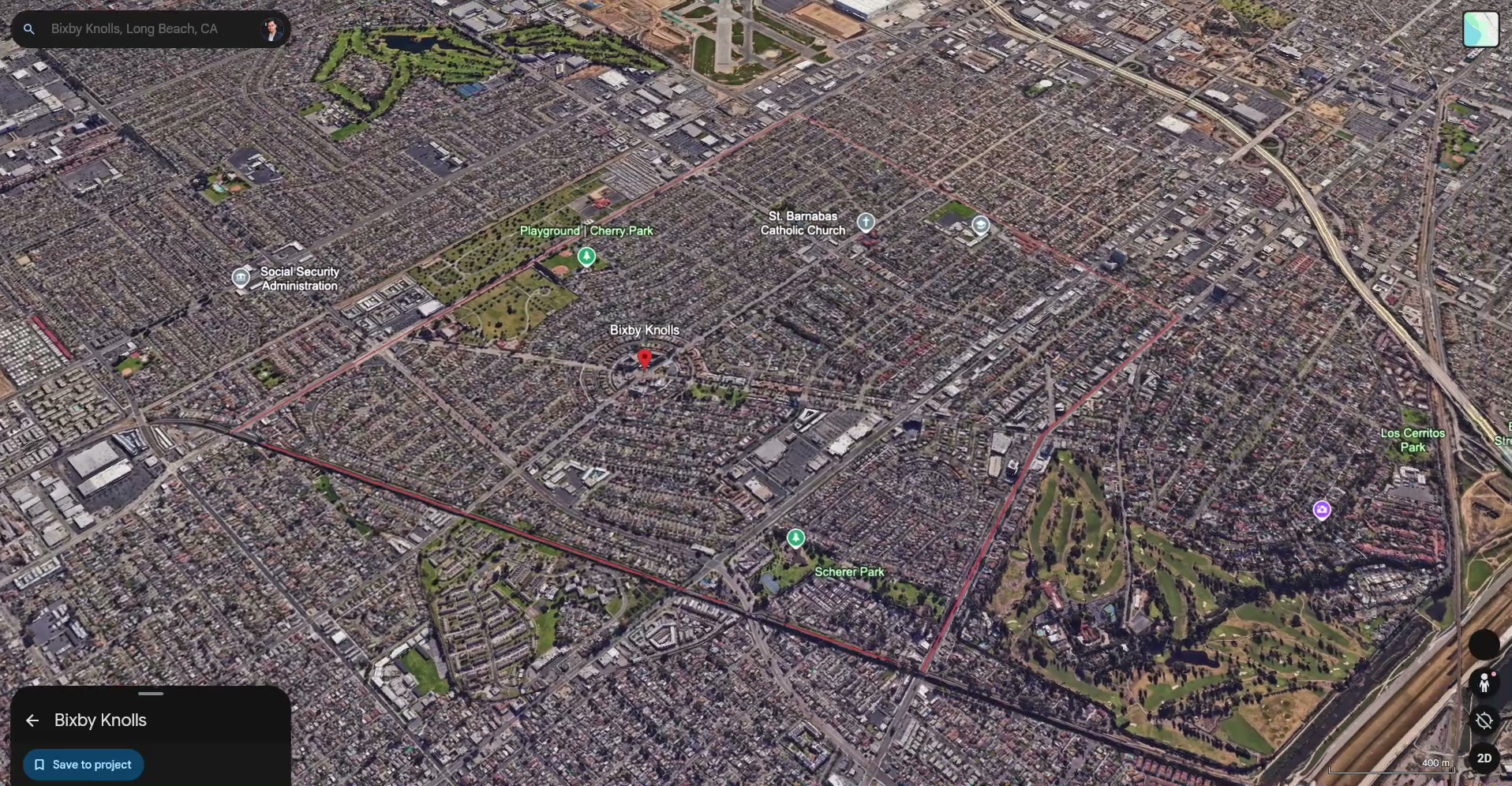 Buying in Bixby Knolls Long Beach: Homes, Commute, Schools, and Lifestyle Fit
 Buying in California Heights Long Beach: Historic District, Older Homes, and Buyer Checks
 Park Estates Long Beach Buyer Guide: Larger Homes, Location, and Condition Checks
 New Construction Homes in Long Beach: What Buyers Should Compare
 South Bay to Long Beach: Trading Location, Space, and Payment
 Should You Buy the Smaller Home in the Better Area or the Bigger Home Farther Out?