

New construction can reduce some older-home worries, but it creates a different checklist. Buyers need to compare builder contract terms, city permits, inspections, finish quality, warranty process, taxes, HOA dues, location, parking, and resale context.
Quick answer
Quick answer
- Use this guide when I am looking at new construction in or near Long Beach and need to know what to compare beyond the model home.
- Start with the decision category: Property Risk, then narrow by Long Beach, Lakewood, Signal Hill, Seal Beach.
- Verify property-specific details, financing, taxes, disclosures, permits, insurance, and local data before acting.
- Related decision path: Duplex Buyer Guide for Long Beach.
Updated June 30, 2026
Do not let the model home make the decision
A new home may feel easier because it looks finished. The buyer still needs to understand what is included, what is upgraded, what is warranted, what is shared, and what the surrounding area will feel like after move-in.
The strongest buying decision is rarely the listing that looks cheapest in isolation. It is the one where payment, documents, condition, insurance, rules, and resale still make sense after review.
Before signing a builder contract, compare the base price, upgrades, taxes, HOA dues, warranties, inspection rights, completion timing, lender incentives, and nearby resale alternatives.
Quick comparison
| Option | Usually strongest for | Watch closely |
|---|---|---|
| New single-family home | Buyers wanting newer systems, modern layouts, and less immediate maintenance. | Lot size, parking, taxes, builder contract terms, warranties, and neighborhood context. |
| New condo or townhome | Buyers wanting new finishes and a lower-maintenance setup. | HOA budget, reserves, rules, insurance, construction defects, sound transfer, and project approval. |
| Builder lender incentive | Buyers attracted to credits, rate help, or closing-cost support. | Compare the incentive against independent loan options and total price. |
| Nearby resale home | Buyers willing to trade new finishes for location, lot, character, or lower monthly cost. | Condition, repairs, permits, insurance, and timing still matter. |
Start here if this is the decision in front of you
This guide is for Long Beach buyers comparing new construction homes, townhomes, or condos against nearby resale options.
It is a weaker fit for buyers looking for a guarantee that new construction has fewer issues. New homes can still have contract, warranty, HOA, inspection, and location concerns.
What the homes are really asking you to compare
Long Beach new construction may include small-lot homes, infill projects, townhomes, condos, and nearby options in Signal Hill, Lakewood, Seal Beach, or other adjacent areas.
Builder pricing, upgrade packages, lender incentives, tax basis, HOA dues, and limited supply can make the final monthly cost different from the advertised price.
The monthly cost is only part of the story
New attached projects may have HOA dues, master insurance, reserves, rules, and project documents. New detached homes may still have insurance, warranties, and maintenance responsibilities.
Treat the listing price as the opening number, not the final answer. The better comparison is the full ownership picture: payment, taxes, insurance, association rules, repairs, documents, and the amount of cash you still want left after closing.
Test the location the way you will actually live
Long Beach location matters block by block. Compare access to Downtown Long Beach, Belmont Shore, Bixby Knolls, the airport, ports, freeways, schools, and Orange County routes.
Compare against a newer resale home, a remodeled older home, a condo/townhome in a stronger location, or nearby Lakewood, Signal Hill, Seal Beach, and South Bay options.
What to verify before you write
Review permits, inspection rights, builder contract terms, completion timing, warranties, included finishes, upgrade costs, HOA documents, taxes, insurance, and resale comparisons.
Before writing, verify current builder incentives, available inventory, completion timing, local resale competition, tax estimates, insurance quotes, and HOA documents.
The move that keeps you in control
Compare the new-home monthly cost against at least two resale alternatives before signing a builder contract.
If the answer depends on the exact address, slow the decision down long enough to compare the property, documents, timing, and cash plan. The goal is not to win the fastest. The goal is to choose the home with fewer expensive surprises.
How to decide before touring
- Separate base price, upgrades, lot premium, lender incentives, and closing costs.
- Review builder contract deadlines and inspection rights before signing.
- Check city permit and inspection resources where available.
- Compare taxes, insurance, HOA dues, and warranty process against resale alternatives.
- Visit the area at commute, evening, and weekend times before choosing the project.
See sources used
This guide uses public real estate, mortgage, tax, disclosure, permit, and program sources as orientation points. It is not legal, tax, lending, insurance, appraisal, inspection, investment, or financial-planning advice. Verify property-specific documents, lender treatment, tax timing, insurance, condition, permits, and local market data with the appropriate professionals before relying on it for a purchase decision.
- City of Long Beach: Permit Center
- City of Long Beach: building permits
- City of Long Beach: permit status and records
- City of Long Beach: building inspections
- California DRE: subdivisions and public reports
- California DRE: Information for Homebuyers
- California DRE: Disclosures in Real Property Transactions
- Consumer Financial Protection Bureau: schedule a home inspection
- Fannie Mae Selling Guide: general appraisal requirements
More Property Risk paths
 Duplex Buyer Guide for Long Beach
 Downtown Long Beach Condo Buyer Guide: HOA, Parking, Noise, and Lifestyle Tradeoffs
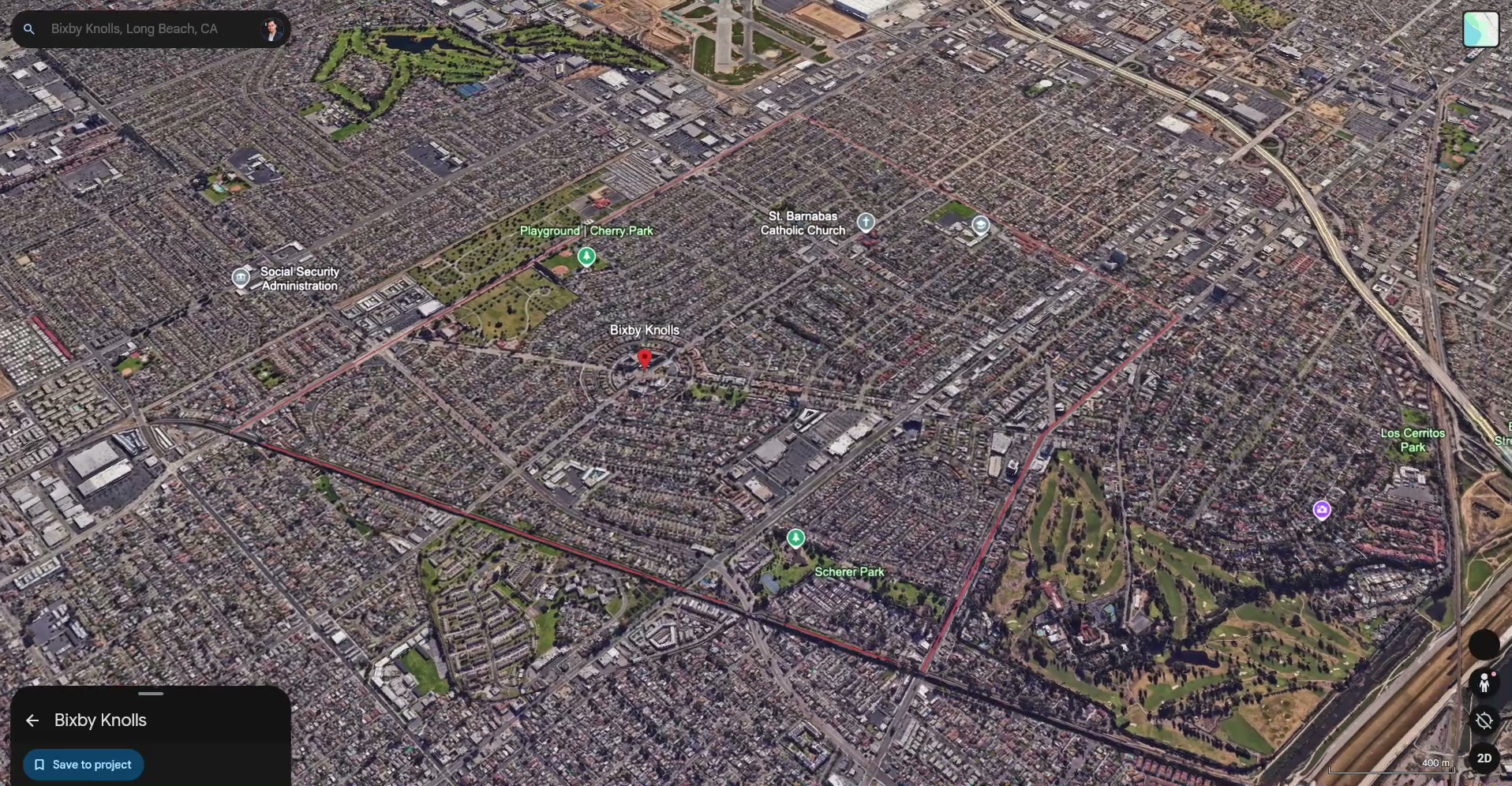 Buying in Bixby Knolls Long Beach: Homes, Commute, Schools, and Lifestyle Fit
 Buying in California Heights Long Beach: Historic District, Older Homes, and Buyer Checks
 Condo vs Townhome vs Single-Family Home in LA County and Orange County
Vacant Home in Lakewood, Torrance, or Long Beach? First Decisions Before Costs Pile Up
Condo vs Townhome vs Single-Family Home in LA County and Orange County
Vacant Home in Lakewood, Torrance, or Long Beach? First Decisions Before Costs Pile Up