

Buying on one income can work, but the plan has to be more precise. The buyer needs a payment that survives normal life, reserves after closing, a property type that does not create surprise repairs, and a search radius that respects commute and daily routine.
Quick answer
Quick answer
- Use this guide when I am buying on one income and need to know what is realistic before I start touring.
- Start with the decision category: Financing & Affordability, then narrow by Long Beach, South Bay, Orange County, Los Angeles County.
- Verify property-specific details, financing, taxes, disclosures, permits, insurance, and local data before acting.
- Related decision path: Condo vs Townhome vs Single-Family Home in LA County and Orange County.
Updated June 30, 2026
Qualifying is only the first test
A lender approval can show what might be possible. A one-income buyer still needs to ask what payment stays comfortable after taxes, insurance, HOA dues, repairs, commuting, and savings.
The strongest buying decision is rarely the listing that looks cheapest in isolation. It is the one where payment, documents, condition, insurance, rules, and resale still make sense after review.
Before touring, ask the lender for a conservative payment range and then compare property types that keep reserves intact after closing.
Quick comparison
| Option | Usually strongest for | Watch closely |
|---|---|---|
| Condo or townhome | Buyers who want lower entry price or location access with some shared maintenance. | HOA dues, reserves, rules, insurance, special assessments, and future dues increases. |
| Small single-family home | Buyers who value control, yard, pets, or long-term flexibility. | Roof, sewer, foundation, insurance, repairs, and higher cash reserve needs. |
| Assistance-supported purchase | Eligible buyers who may qualify for state or local assistance. | Income limits, funding availability, homebuyer education, lender participation, and timing. |
| Wait and strengthen | Buyers whose approval works on paper but leaves too little cushion. | Waiting can build cash, reduce stress, and improve offer confidence. |
Start here if this is the decision in front of you
This guide is for buyers using one income, including first-time buyers, single professionals, divorced buyers, widowed buyers, and households choosing to qualify on one stable income.
It is a weaker fit for buyers who need a lender approval promise or personal financial advice. The page helps organize questions before lender and advisor review.
What the homes are really asking you to compare
In Long Beach, South Bay, and OC, the search may include condos, townhomes, smaller single-family homes, older homes, and planned communities. Each has a different payment and repair profile.
One-income buyers feel price pressure faster because there may be less room for payment shocks, repairs, insurance increases, HOA dues, or lost income.
The monthly cost is only part of the story
HOA dues can help with maintenance but reduce monthly room. Insurance and repairs can make a no-HOA house feel less predictable than the list price suggests.
Treat the listing price as the opening number, not the final answer. The better comparison is the full ownership picture: payment, taxes, insurance, association rules, repairs, documents, and the amount of cash you still want left after closing.
Test the location the way you will actually live
Commute costs and schedule matter because one-income buyers may have less flexibility if work location changes or overtime, childcare, or hybrid schedules shift.
Consider a smaller home, different property type, different city, assistance program, co-borrower only if appropriate, or waiting until reserves are stronger.
What to verify before you write
Compare monthly payment, cash to close, reserves, inspection risk, HOA documents, insurance, commute costs, and assistance eligibility before touring widely.
Before writing, verify current rates, insurance quotes, HOA dues, assistance program status, and whether your target property type is seeing strong buyer competition.
The move that keeps you in control
Start with a one-income budget map, then tour only homes that still work after reserves and likely repairs are visible.
If the answer depends on the exact address, slow the decision down long enough to compare the property, documents, timing, and cash plan. The goal is not to win the fastest. The goal is to choose the home with fewer expensive surprises.
How to decide before touring
- Ask the lender for a conservative approval based on one income and current debts.
- Set a comfort payment below the maximum if reserves would be thin.
- Compare condo, townhome, and small single-family paths using full monthly cost.
- Check assistance programs only after verifying income, location, and timing rules.
- Keep enough cash after closing for repairs, taxes, insurance, and normal life.
See sources used
This guide uses public real estate, mortgage, tax, disclosure, permit, and program sources as orientation points. It is not legal, tax, lending, insurance, appraisal, inspection, investment, or financial-planning advice. Verify property-specific documents, lender treatment, tax timing, insurance, condition, permits, and local market data with the appropriate professionals before relying on it for a purchase decision.
- Consumer Financial Protection Bureau: Buying a House tools
- Consumer Financial Protection Bureau: explore interest rates
- Fannie Mae Selling Guide: employment and other sources of income
- Fannie Mae Selling Guide: monthly debts compared with income
- Fannie Mae Selling Guide: monthly housing expense for the subject property
- CalHFA: homebuyer loan programs
- CalHFA: MyHome Assistance Program
- CalHFA: borrower eligibility requirements
- CalHFA: home buying income limits
More Financing & Affordability paths
 Condo vs Townhome vs Single-Family Home in LA County and Orange County
 Downtown Long Beach Condo Buyer Guide: HOA, Parking, Noise, and Lifestyle Tradeoffs
 How HOA Dues Change Your Buying Power in Long Beach, South Bay, and Orange County
 Jumbo vs Conforming Loans in LA County and Orange County
 Downtown Hermosa Beach Buyer Guide: Walkability, Noise, Condos, and Beach Lifestyle
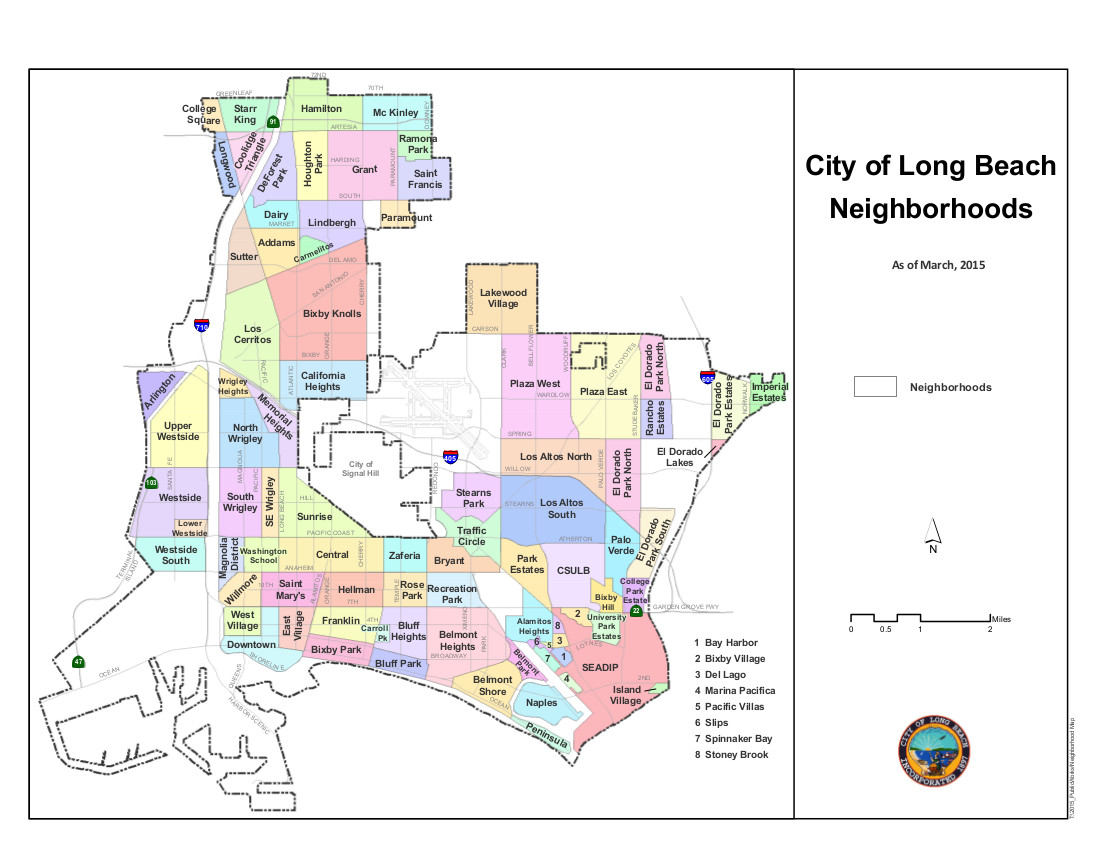 Long Beach Neighborhoods for Buyers: Where to Start Your Search