

Special assessments often surprise buyers because the monthly dues felt manageable. The better question is whether the association is collecting enough money, maintaining the property, and planning for major repairs before the buyer joins.
Quick answer
Quick answer
- Use this guide when I am comparing condo dues and want to know whether a low monthly fee could hide a future special assessment.
- Start with the decision category: HOA / Condo / Townhome, then narrow by Long Beach, South Bay, Orange County.
- Verify property-specific details, financing, taxes, disclosures, permits, insurance, and local data before acting.
- Related decision path: How to Review HOA Documents Before Buying a Condo in Long Beach or Orange County.
Updated June 30, 2026
Do not confuse low dues with low risk
Low dues can be efficient, or they can be a warning sign. Higher dues can be expensive, or they can reflect a realistic plan. The documents help you tell the difference.
The strongest buying decision is rarely the listing that looks cheapest in isolation. It is the one where payment, documents, condition, insurance, rules, and resale still make sense after review.
Review the reserve study, annual budget report, major components, insurance, meeting notes if available, and any disclosed current or planned assessments before removing protections.
Quick comparison
| Option | Usually strongest for | Watch closely |
|---|---|---|
| Healthy reserves | Buyers who want evidence that the association is planning for major components. | Reserve study assumptions, age of major systems, insurance costs, and whether dues are keeping up. |
| Low dues | Buyers attracted to a lower monthly payment. | Deferred maintenance, underfunded reserves, old building systems, and possible future assessments. |
| Recent special assessment | Buyers who need to know whether a major issue was already addressed. | Was the work completed, funded, permitted, and properly documented? |
| Older building | Buyers looking at value or location in an established complex. | Roof, balconies, plumbing, elevators, garages, drainage, insurance, and structural work. |
Reserves are how the association plans for the building
California Civil Code Section 5550 addresses reserve study requirements for common interest developments. The practical buyer question is whether the association is planning for major components before they fail.
A reserve study does not remove risk, but it helps reveal whether the association has a plan.
Special assessments are not automatically bad
A special assessment can be a responsible way to fund necessary work. It can also reveal years of underfunding or deferred maintenance.
Ask what the assessment is for, whether it has been approved, who pays it, whether the work is complete, and whether more work is expected.
Deferred maintenance changes the buyer's real price
A lower purchase price can be misleading if the buyer is stepping into roof, balcony, plumbing, elevator, garage, drainage, or insurance problems.
The real price includes monthly dues, assessment risk, possible dues increases, financing friction, and resale perception.
Insurance costs can pressure association budgets
Insurance changes can affect dues and reserves. Buyers should review master policy information and ask whether insurance has been difficult, expensive, or limited.
This is especially important in buildings, coastal locations, hillside areas, and communities with large shared components.
Use the documents to choose your risk level
Some buyers are comfortable with older buildings and future work if the price reflects it. Others need a cleaner reserve and maintenance story.
The right choice depends on your cash reserves, monthly comfort, risk tolerance, and expected hold period.
How to decide before touring
- Review the reserve study and annual budget report before removing HOA document protections.
- Ask whether any special assessments are approved, proposed, discussed, or likely.
- Compare building age, major components, insurance, and reserves against the price.
- Ask your lender whether association finances or insurance create project issues.
- Choose the condo only if future repair exposure fits your cash plan.
See sources used
This guide uses public California common interest development law, California DRE reserve guidance, mortgage, property-tax, inspection, and appraisal sources as orientation points. It is not legal, tax, lending, insurance, HOA, or inspection advice. Verify documents, dues, reserves, taxes, assessments, project eligibility, and property-specific rules with the appropriate professionals before relying on them for a purchase decision.
- California DRE: Information for Homebuyers
- California DRE: Disclosures in Real Property Transactions
- California Civil Code Section 4525: common interest development transfer documents
- California Civil Code Section 5300: annual budget report
- California Civil Code Section 5550: reserve study requirements
- California Department of Real Estate: Reserve Study Guidelines
- Fannie Mae Selling Guide: monthly housing expense for the subject property
- Fannie Mae Selling Guide: monthly debts compared with income
- Consumer Financial Protection Bureau: schedule a home inspection
- Consumer Financial Protection Bureau: what appraisals are and why they matter
- Fannie Mae Selling Guide: general appraisal requirements
- California Tax Guide for New Homeowners: property taxes and assessments
- Orange County Treasurer-Tax Collector: property tax
More HOA / Condo / Townhome paths
 How to Review HOA Documents Before Buying a Condo in Long Beach or Orange County
 Downtown Long Beach Condo Buyer Guide: HOA, Parking, Noise, and Lifestyle Tradeoffs
Condo vs Townhome vs Single-Family Home in LA County and Orange County
Downtown Long Beach Condo Buyer Guide: HOA, Parking, Noise, and Lifestyle Tradeoffs
Condo vs Townhome vs Single-Family Home in LA County and Orange County
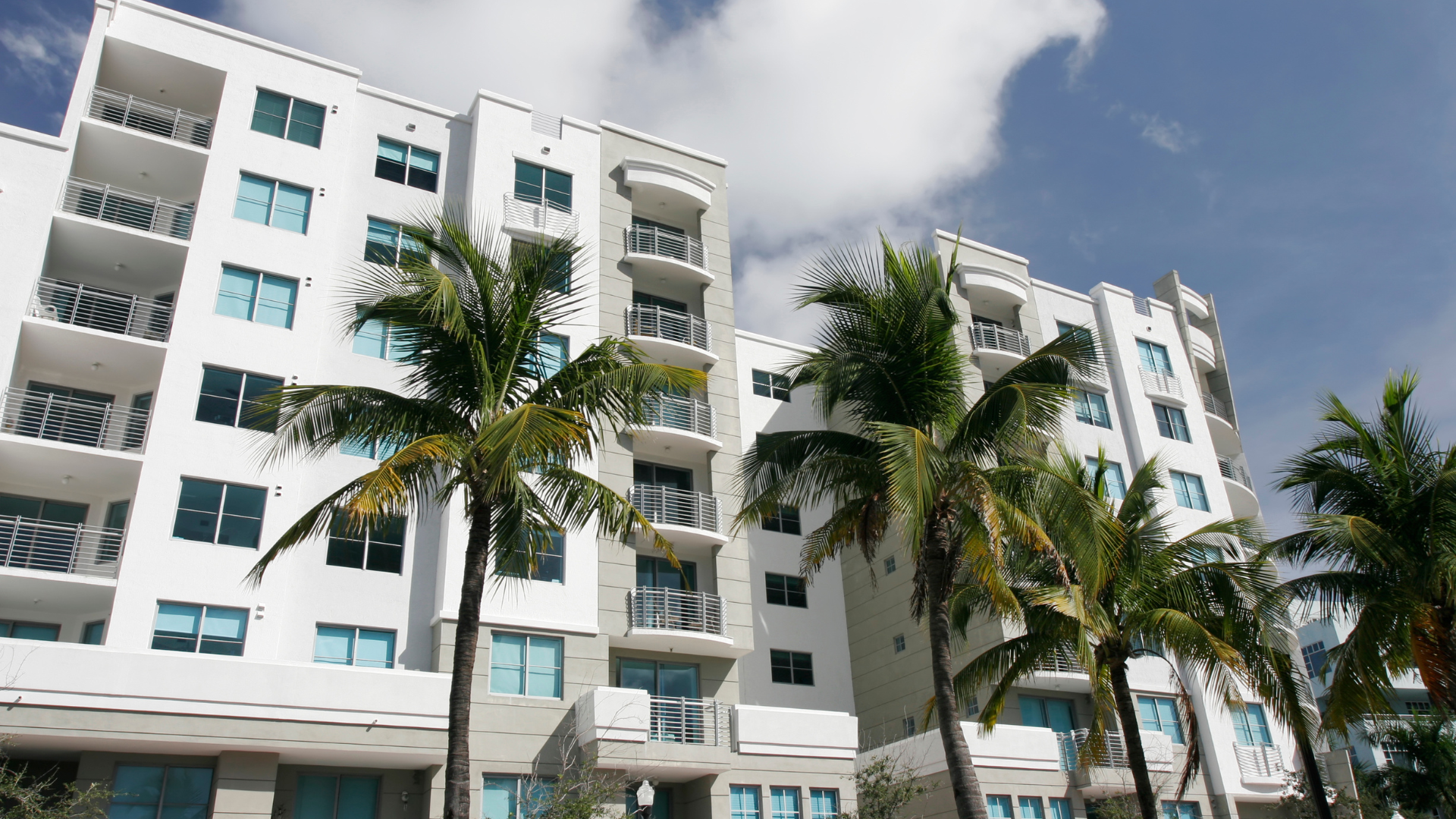 VA-Approved Condos in Orange County and Long Beach
 What Price Per Square Foot Gets Wrong in South Bay, Long Beach, and OC
 FHA vs Conventional Loans for Long Beach, Gateway Cities, and South Bay Buyers