

When siblings inherit a Long Beach home together, the biggest early risk is not the market. It is unclear authority and unspoken assumptions. One person may want a quick sale, another may want to keep the home, another may want repairs, and another may not want to spend anything. The first job is to turn the family conversation into an organized decision.
Quick answer
Quick answer
- Use this guide when inherited house siblings Long Beach
- Start with the decision category: Inherited Property, then narrow by Long Beach, Los Angeles County.
- Verify property-specific details, financing, taxes, disclosures, permits, insurance, and local data before acting.
- Related decision path: Inherited a Long Beach Home? What to Decide Before Cleaning It Out or Listing.
Updated June 30, 2026
Separate the decisions before choosing a path
| Decision point | Why it matters | Do not skip |
|---|---|---|
| Authority to act | Confirm whether there is a trust, probate case, personal representative, successor trustee, or court order before anyone signs listing documents. | Do not assume the sibling with keys can authorize a sale. |
| Property condition and carrying costs | Vacancy, insurance, utilities, taxes, repairs, belongings, access, and security can change urgency. | Do not wait until the home deteriorates or family frustration becomes the main decision-maker. |
| Tax and distribution questions | Prop 19, estate basis, liens, creditor claims, and sibling distributions need tax/probate advice. | Do not treat the sales price as the amount each heir will receive. |
Authority comes before signatures
California Courts probate guidance focuses on who has legal responsibility to manage estate property. Until that is clear, a sibling should be careful about signing listing, sale, repair, or investor documents.
If a trust exists, the successor trustee may have duties. If probate is needed, the personal representative may need court authority. Those are legal questions, not listing questions.
Long Beach property type affects the plan
A Long Beach condo, duplex, Craftsman, coastal home, or inland single-family property can produce very different sale, rent, repair, and tax questions. The city name alone is not enough.
Before arguing over price, establish the likely buyer pool, condition risk, rental possibility, and time required to prepare the home.
Create rules for access, cleanout, and spending
Inherited homes often stall over personal property, keys, utilities, insurance, and who pays expenses. A simple written process can prevent avoidable mistrust.
Decide who enters the home, how belongings are handled, what expenses are approved, and how vendor decisions are made.
Compare keep, rent, and sell with real numbers
One sibling may want to keep or rent the property. That option needs buyout funds, financing, landlord readiness, repair budget, tax advice, and written consent.
A sale can be cleaner, but only if the family agrees on authority, pricing, repairs, and how offers will be reviewed.
A careful order of operations
- Confirm whether there is a trust, probate case, personal representative, successor trustee, or other authority.
- List every stakeholder and decision-maker before signing anything.
- Secure the property and create rules for access, utilities, insurance, cleanout, and expenses.
- Compare as-is sale, cleaned-up sale, repair-before-sale, sibling buyout, rental, and hold options with numbers.
- Have counsel, tax advisors, and the family decision-maker align before public marketing.
Market context
Use local market updates after you know the real estate decision
These videos are support context only. For default, divorce, probate, estate recovery, and tax-default questions, confirm legal and financial steps with the right professionals first.
See sources used
This guide uses official California court, state agency, county, CFPB, HUD, DHCS, and local-government sources as orientation points. It is not legal, tax, probate, divorce, foreclosure, estate recovery, lending, or financial advice. Confirm deadlines, eligibility, authority, title, tax treatment, and legal strategy with the appropriate professionals before relying on the information for a real estate decision.
- California Courts Self-Help: Guide to property after someone dies
- California Courts Self-Help: Overview of formal probate
- California Courts Self-Help: Inventory and estimate property value
- California Courts Self-Help: Simple process to transfer property
- California Courts Self-Help: Petition for Probate DE-111
- California Courts Self-Help: Order for Probate DE-140
- California Courts Self-Help: Inventory and Appraisal DE-160
- California State Board of Equalization: Proposition 19
- California State Board of Equalization: Proposition 19 Fact Sheet
- California State Board of Equalization: Change in Ownership FAQ
- City of Long Beach
More Inherited Property paths
 Inherited a Long Beach Home? What to Decide Before Cleaning It Out or Listing
 Parent Passed Away and Left a Torrance Home: What to Handle Before Listing
 Out-of-State Heir With a Home in LA or Orange County: What to Do First
 Inherited a Redondo Beach Home With Siblings? First Decisions Before One Person Pushes to Sell
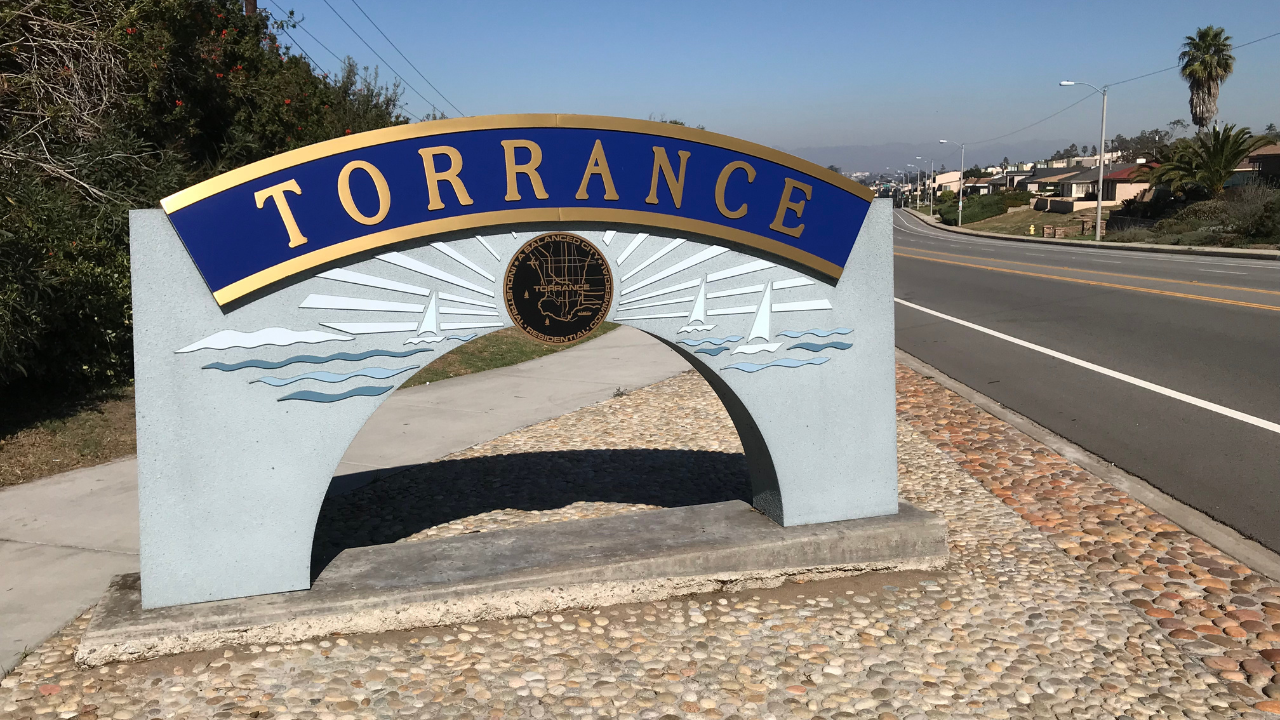 Inherited a Torrance Home? First Decisions Before You Sell, Rent, or Keep It
 Out-of-State Heir With a South Bay Home? What to Handle Before You Fly In