
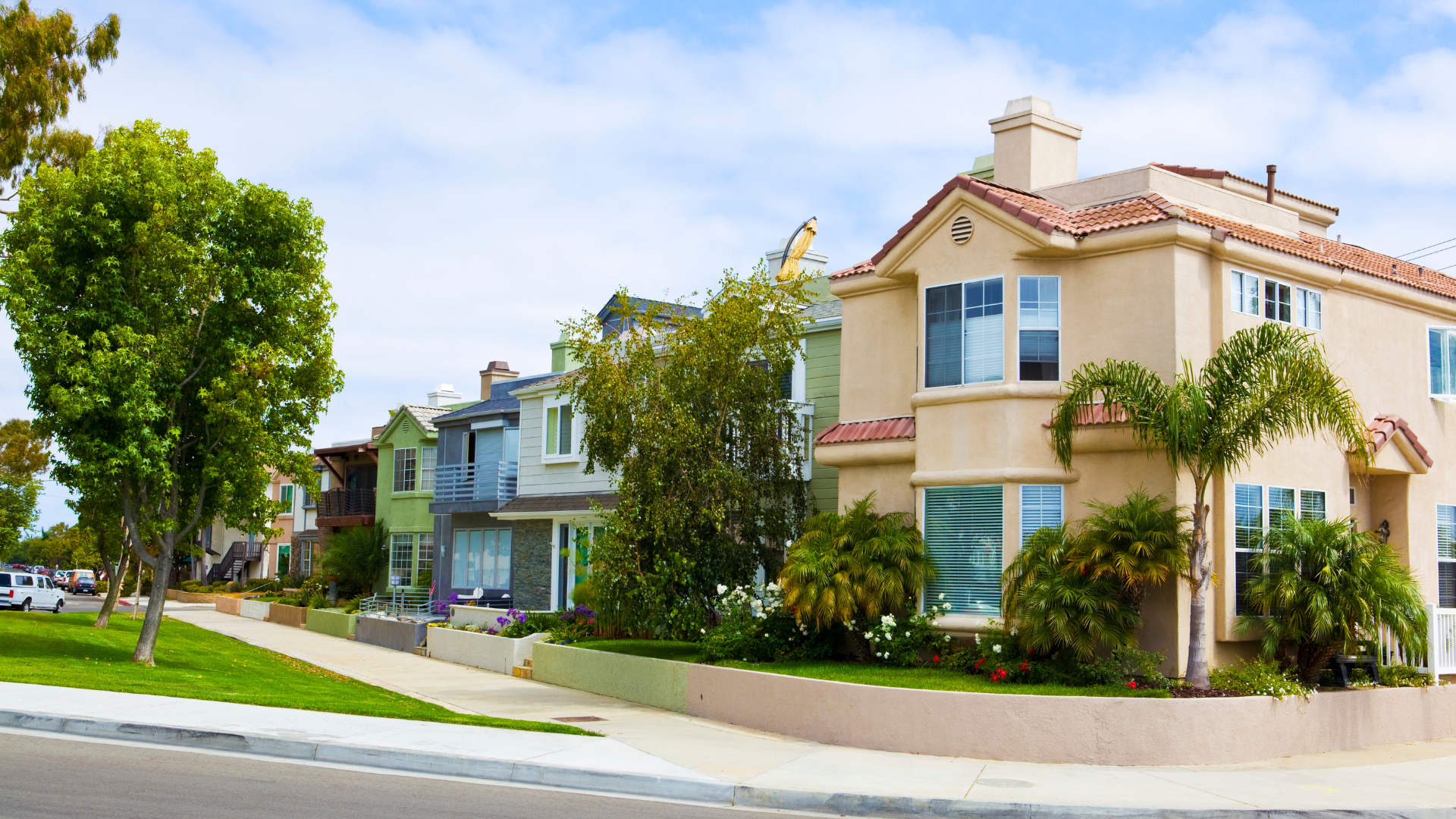
A vacant home in Lakewood, Torrance, or Long Beach can feel paused, but the costs keep moving. Security, insurance, utilities, landscaping, code, deferred repairs, property taxes, and market timing can all worsen while the owner is deciding what to do.
Quick answer
Quick answer
- Use this guide when sell vacant house Long Beach / Torrance
- Start with the decision category: Vacant Home, then narrow by Long Beach, Lakewood, Torrance, South Bay.
- Verify property-specific details, financing, taxes, disclosures, permits, insurance, and local data before acting.
- Related decision path: Is Your Longtime Home a Clean Sale, Prep Sale, or Patience Sale?.
Updated June 30, 2026
Separate the decisions before choosing a path
| Decision point | Why it matters | Do not skip |
|---|---|---|
| Security and insurance | Confirm vacancy coverage, locks, alarms, mail, utilities, water, landscaping, and who checks the property. | Do not assume standard insurance covers a long-vacant home. |
| Code and condition | Review city maintenance issues, visible debris, unpermitted work, leaks, pests, and safety hazards. | Do not wait for a neighbor complaint or buyer inspection to reveal the problem. |
| Sell, rent, repair, or hold | Compare carrying costs, repair budget, rent potential, sale value, market timing, and owner bandwidth. | Do not hold by default just because selling feels like a bigger decision. |
Vacancy changes risk even if nothing looks urgent
A vacant home can develop water leaks, landscape violations, pest issues, insurance gaps, utility problems, or security concerns without daily occupants noticing.
The first step is to assign responsibility for inspections, mail, utilities, keys, landscaping, and emergency contact.
City context matters
Long Beach, Torrance, and Lakewood each have code enforcement resources tied to property maintenance or nuisance issues. The point is not to assume a violation exists; it is to know what could become a public or sale problem.
Visible debris, deteriorated systems, unpermitted work, overgrown landscaping, and unsafe conditions can affect value and buyer confidence.
Renting a vacant home is not automatically easier than selling
A rental path needs legally livable condition, repairs, lease readiness, tenant screening, management, reserves, and landlord-law awareness. It can work, but it should be a business decision rather than a delay tactic.
If the home is not rent-ready, compare the rent path against an as-is or lightly prepared sale.
A light-prep sale may protect more than a major renovation
Vacant homes often benefit from cleaning, debris removal, safety fixes, basic landscape control, and clear disclosures. Full renovation may not be necessary or wise if the owner wants speed and reduced risk.
The best path depends on the buyer pool, repair cost, condition, timeline, and carrying cost burn rate.
A careful order of operations
- Confirm insurance, security, utilities, water, mail, landscaping, and regular property checks.
- Inspect for visible maintenance, safety, code, permit, pest, moisture, and repair issues.
- Estimate monthly carrying cost and the cost of making the home rentable or market-ready.
- Compare as-is sale, light-prep sale, rental conversion, repair, or hold using net proceeds and time.
- Choose the path before vacancy costs become the decision-maker.
Market context
Use local market updates after the first property decision is clear
These playlists are support context only. For tenant, probate, trust, Prop 19, divorce, code, and tax questions, confirm the legal and financial steps with the right professionals first.
See sources used
This guide uses official California court, state agency, county, city, tenant-rights, tax, and real estate disclosure sources as orientation points. It is not legal, tax, probate, tenant-rights, code-compliance, lending, or financial advice. Confirm authority, deadlines, occupancy rights, tax treatment, disclosure duties, and legal strategy with the appropriate professionals before relying on the information for a real estate decision.
More Vacant Home paths
 Selling a Tenant-Occupied Property in LA County or Orange County: First Decisions
 Is Your Longtime Home a Clean Sale, Prep Sale, or Patience Sale?
 The 90-Day Downsizer Readiness Check for Longtime LA and OC Homeowners
 Tired Landlord in Long Beach? Sell Tenant-Occupied, Vacant, or Hold?
Code Violations on a Long Beach or Gateway Cities Home? Decide Before You List
Tired Landlord in Long Beach? Sell Tenant-Occupied, Vacant, or Hold?
Code Violations on a Long Beach or Gateway Cities Home? Decide Before You List
 New Construction Homes in Long Beach: What Buyers Should Compare