
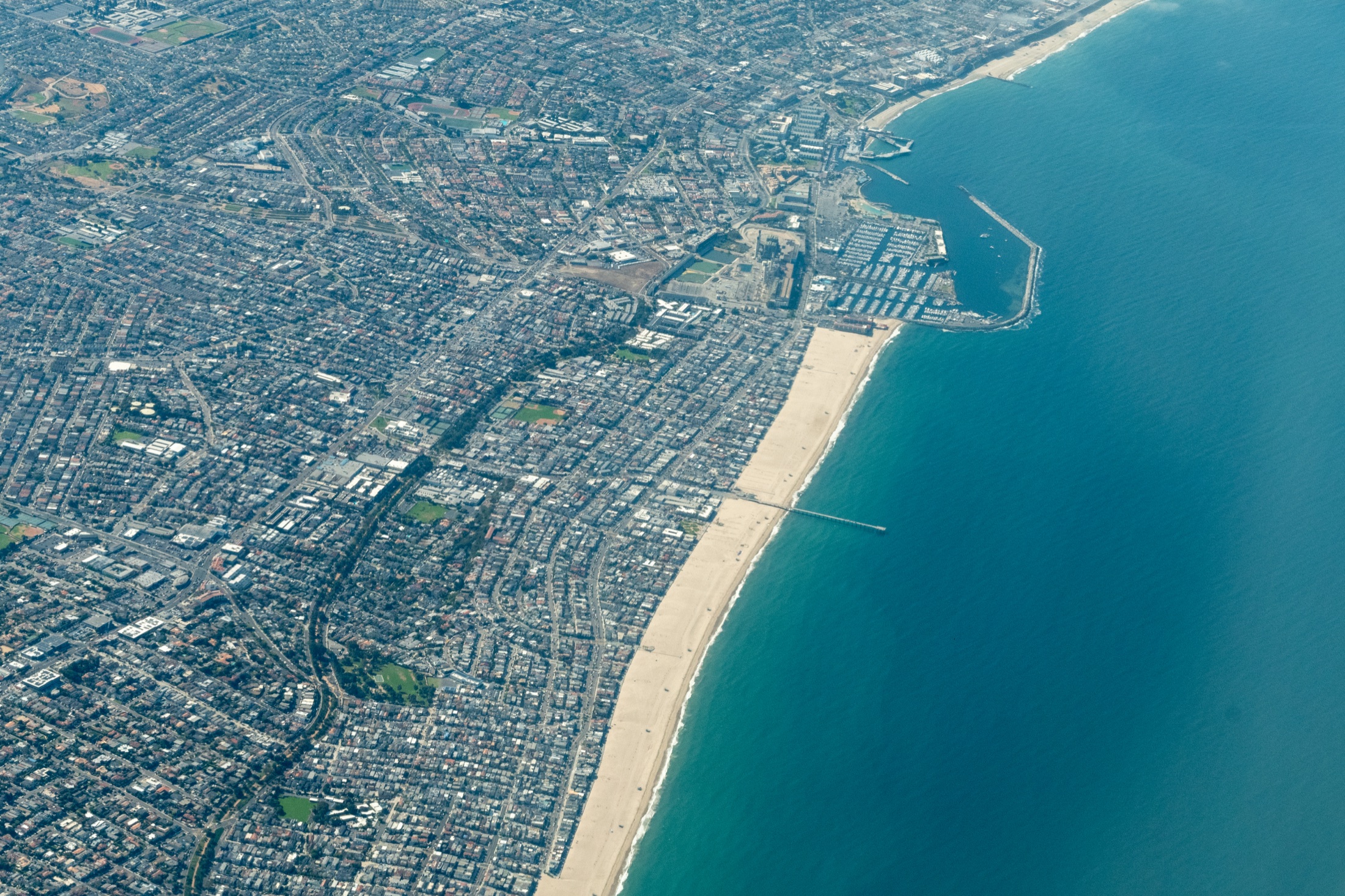
If you are moving from San Francisco and narrowing the South Bay to Hermosa Beach or Manhattan Beach, the decision is not simply which beach city is better. It is whether your new life should feel more compact, social, and beach-forward, or more polished, structured, and executive-oriented.
Choose the beach routine you want after the workday ends
San Francisco movers often arrive with a clear idea of density, commute tradeoffs, restaurants, neighborhood identity, and walkability. In the South Bay, the same words can mean something different. Hermosa Beach and Manhattan Beach are close on a map, but they create different rhythms once you start living there.
The strongest choice is rarely the city that wins every category. It is the one where the tradeoffs are clear enough that you would still choose them after a normal work week.
Tour both cities during the same week: one weekday commute window, one dinner hour, one weekend beach period, and one school or errand route if those routines matter to your household.
Quick comparison
| Option | Usually strongest for | Watch closely |
|---|---|---|
| Hermosa Beach | A compact beach routine, social energy, walkability, and a less formal coastal feel. | Parking, density, lot size, late-night activity near the beach, and whether the home can grow with the household. |
| Manhattan Beach | A polished beach-city environment, strong prestige signal, school-district clarity, and executive-level coastal identity. | Pricing pressure, smaller homes near the sand, and whether the lifestyle premium crowds out space or privacy. |
| Border-area search | People who want access to both cities without making the choice purely by city name. | Street-by-street tradeoffs, school boundaries, parking, and whether the daily errands point north or south. |
| Rent first | Executives who need the job and household rhythm to settle before committing to a purchase. | Lease timing, school enrollment timing, and whether a short-term landing delays a better long-term home. |
| Expand to Redondo or El Segundo | Buyers who like the South Bay but need more flexibility, job proximity, or a different property type. | Do not expand just to solve price. Make sure the daily routine still feels like the move you wanted. |
This is not just a prestige decision
Manhattan Beach often gets treated as the default executive answer because it carries a stronger prestige signal and a more polished residential identity.
That can be exactly right for some relocating professionals, especially when schools, privacy, and long-term resale positioning are high priorities.
Hermosa Beach can be the better fit when the move is supposed to change daily life, not just the address.
It is compact, visibly beach-forward, and easier to understand as a routine: walk, bike, eat near the pier, use the Strand, and keep more of the week close to the water.
Hermosa Beach: best when the move is about everyday beach life
Hermosa works best for people who want the coastal part of the move to show up often. The city is smaller and more compact, so the value is not just the beach itself.
It is how quickly the beach, restaurants, coffee, workouts, events, and evening walks can become part of the normal week.
The tradeoff is that compact beach life can also mean tighter parking, more weekend activity, smaller lots near the coast, and less separation between public energy and private home life.
If you are leaving San Francisco because you want calm and space, test Hermosa at busy times before deciding.
Manhattan Beach: best when structure and polish matter
Manhattan Beach is usually the stronger fit for executives who want a more formal beach-city identity.
The city can feel more polished, more residentially composed, and more aligned with households that want a premium coastal address with a clearer long-term ownership story.
The risk is paying for the city name while compromising on the home.
A beautiful Manhattan Beach address can still be the wrong answer if the house, parking, school logistics, privacy, or commute pattern creates friction every day.
Commute and LAX access are advantages, but they do not decide the city for you
Both cities sit in the South Bay orbit of LAX, El Segundo, Playa Vista, Santa Monica, West LA, and the broader coastal employment corridor.
That makes them appealing to executives who travel often or split time across several work locations.
Do not use map distance as the decision.
Test the route at the times you will actually move: early flights, late returns, school drop-off, dinner traffic, event weekends, and the days you will need to be physically present at work.
Schools, privacy, and property type can outweigh the city label
If children, school boundaries, or enrollment timing are part of the decision, verify the district path directly before you treat a listing as a lifestyle fit.
Manhattan Beach Unified and Hermosa Beach City School District each deserve direct review before you make assumptions from reputation.
Property type matters just as much. A walk-street home, townhome, sand-section property, hill-section property, east-side house, or compact condo can produce a very different life even inside the same city.
How to tour both cities like you will actually live there
Start with your normal week instead of the prettiest showing route. If your week includes client dinners, workouts, kid drop-off, airport travel, and a few late office nights, make the tour follow that pattern.
The best answer should still make sense after the novelty wears off. Choose the city where the tradeoffs feel acceptable during an ordinary Tuesday, not just during a sunny weekend preview.
How to decide before touring
- Name the real reason you are leaving San Francisco: space, weather, beach routine, less friction, schools, travel access, privacy, or ownership stability.
- Choose whether Hermosa's compact energy or Manhattan's polished structure better matches that reason.
- Verify school district, parking, commute, LAX, and property-type constraints before comparing prices.
- Tour both cities at workday, evening, and weekend times before deciding which lifestyle you actually want to buy into.
Local video context
Watch local video context after you narrow the comparison
Use these playlists as supporting local context after the city list is narrow enough to compare daily life, commute, and market fit.
See sources used
This guide uses public city, school district, migration, tax, lending, employment, transportation, and other relevant local sources as orientation points, then translates them into practical decision questions. Verify commute, school enrollment, zoning, tax, lending, insurance, occupancy, and property-specific details with the appropriate professionals before relying on them for a real estate decision.
- City of Hermosa Beach community information
- City of Hermosa Beach economic development
- City of Hermosa Beach parking
- City of Manhattan Beach facts
- City of Manhattan Beach parking meters and lots
- Manhattan Beach Unified School District
- Hermosa Beach City School District
- Los Angeles World Airports: LAX
- Beach Cities Transit Line 109
- San Francisco Planning: Housing Element Update 2022
More Move / Relocate paths
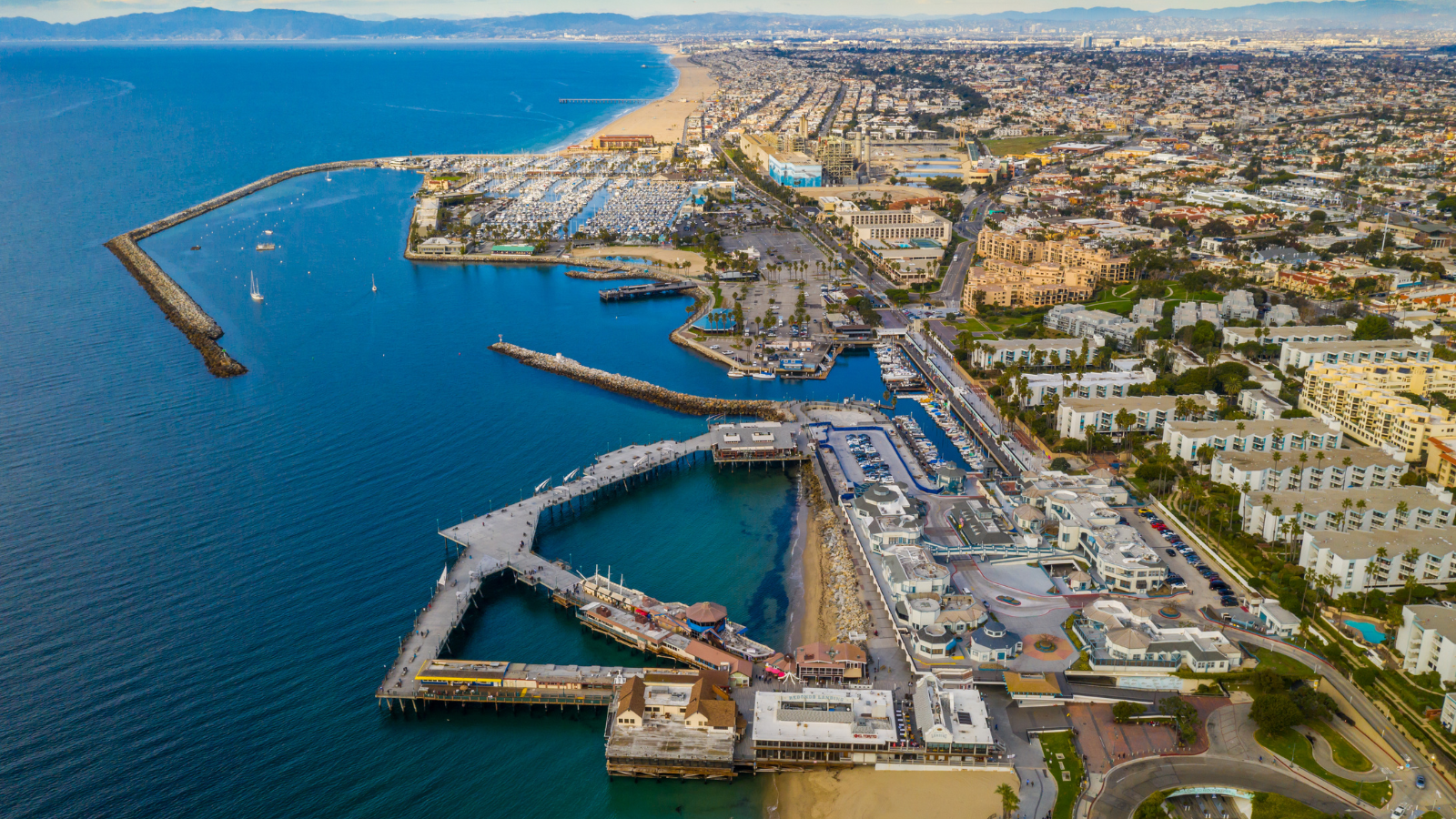 From San Francisco to the South Bay, Start With the Beach-City Tradeoff
 Near El Segundo, the Right South Bay City Starts With Your Week
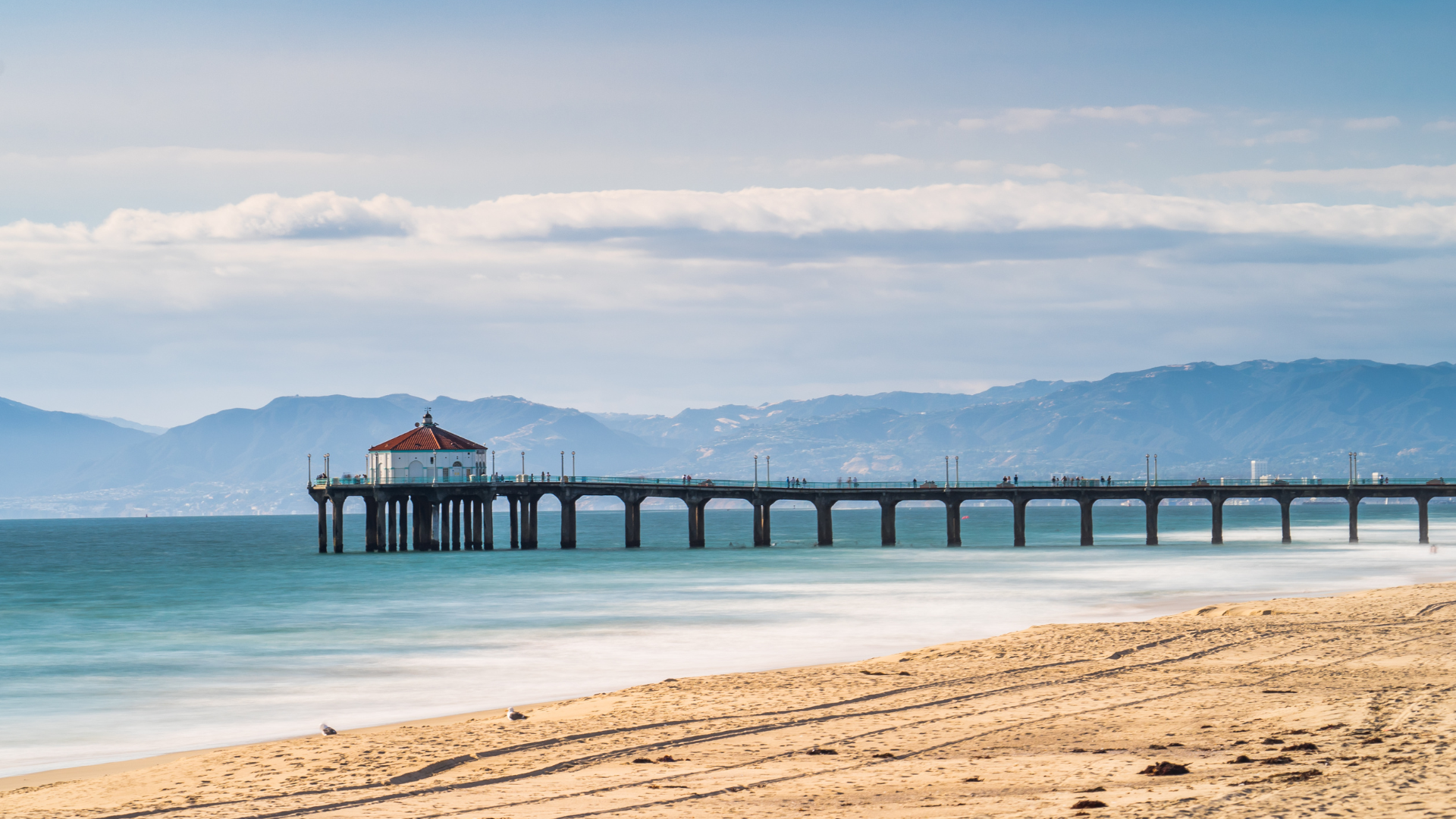 The Best El Segundo Move Balances Commute With Beach Life
 A Torrance Job Opens Several South Bay Home Bases
 Healthcare Workers Need a Home Base That Protects the Shift
 Port Logistics Buyers Should Choose the Home Base Before the City Label