
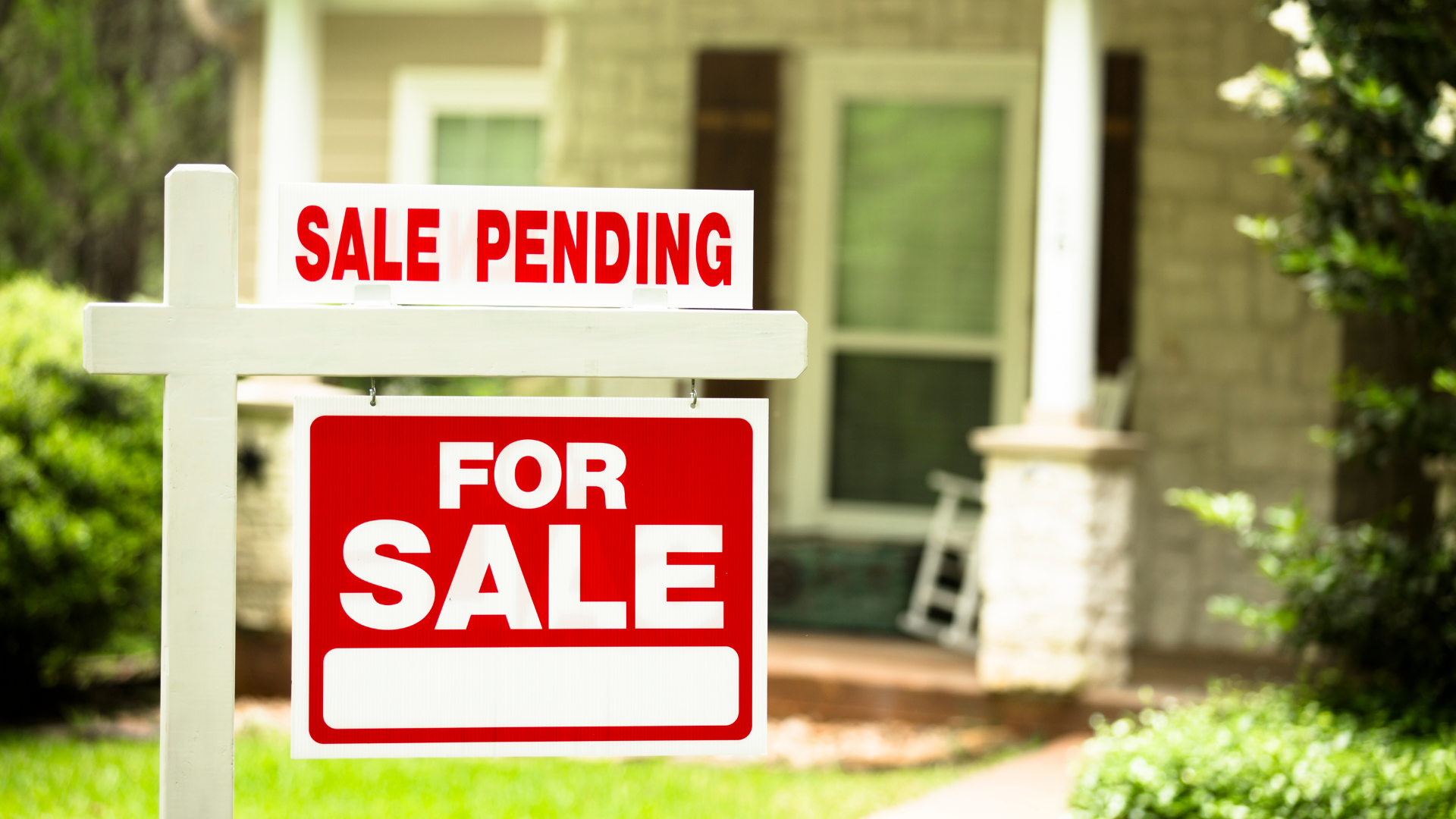
An offer condition that lets you buy only if your current home sells first, often called a home-sale contingency, can protect a homeowner who needs estimated sale proceeds before buying. It can also make the purchase offer less attractive if the current home is not clearly ready to sell, already under contract, or close to closing.
Quick answer
Quick answer
- Use this guide when I need to know whether my purchase offer can depend on selling my current home.
- Start with the decision category: Same-Market Move-Up, then narrow by Los Angeles County, Orange County, South Bay, Long Beach.
- Verify property-specific details, financing, taxes, disclosures, permits, insurance, and local data before acting.
- Related decision path: The 10-Mile Move: Selling and Buying Locally Without Losing Control.
Updated June 30, 2026
When an offer condition helps or hurts
| Decision point | Why it matters | Do not skip |
|---|---|---|
| Staying after closing | A stay-after-closing agreement, often called a rent-back, can buy time only if the buyer, mortgage lender, insurer, closing team, and written agreement support it. | Do not treat staying in the home after closing as casual because ownership has already transferred. |
| Offer condition strength | An offer condition that lets you buy only if you sell first can protect you, but it can make your offer feel uncertain to the seller. | Do not use that condition without knowing how easy your current home is likely to sell. |
| Backup housing | Storage, short-term rental, family stay, or delayed closing can be cheaper than forcing a bad offer. | Do not make the purchase timeline so tight that one inspection, home-value review, or loan delay breaks the move. |
The seller reads the offer condition as risk
From the perspective of the seller whose home you want to buy, your offer depends on another transaction. They may ask whether your current home is listed, priced correctly, already under contract and moving toward closing, through inspections, or likely to support the price.
The stronger your current sale looks, the less frightening the offer condition feels.
The current listing has to support the next offer
If your home is not prepared, priced, photographed, and positioned well, the offer condition may look like a delay waiting to happen.
The best offer-condition strategy begins before you fall in love with the next house.
Sometimes the safer answer is not an offer condition
A sell-first plan, stay-after-closing agreement, bridge loan, home equity line of credit, or temporary housing may create a stronger purchase position in some markets.
The right path depends on your comfort with risk, home equity, mortgage approval, buyer demand for the current home, and competition for the next home.
A careful same-market move sequence
- Ask whether your current home can be listed or under contract before the purchase offer.
- Estimate how the purchase seller will view your sale timeline.
- Compare making an offer that depends on your sale, selling first, staying after closing, and buying first.
- Get mortgage-lender guidance before relying on estimated sale proceeds.
- Use the offer condition only when it protects you without making the offer unworkable.
See sources used
This guide uses official or primary sources for mortgage, tax, home value, seller disclosure, and contract risk orientation. It is general real estate guidance, not legal, tax, mortgage, home-value, financial, or insurance advice.
More Same-Market Move-Up paths
 The 10-Mile Move: Selling and Buying Locally Without Losing Control
 Selling in Torrance and Buying in Redondo, Palos Verdes, or Orange County
 Selling in Long Beach and Buying in Lakewood, Cerritos, or Los Alamitos
 Should You Use the Same Agent to Sell and Buy Locally?
 What Kind of Selling Experience Will Your Starter Home Create in the Next 3-6 Months?
 Rent-Backs for South Bay, Long Beach, and OC Homeowners Who Need Time to Buy